
Reacher Stephen
TikTok Shop Free Samples: A Seller Operations Playbook
Build a TikTok Shop sample program around creator fit, landed cost, fulfillment, content completion, and contribution margin—not shipment volume.
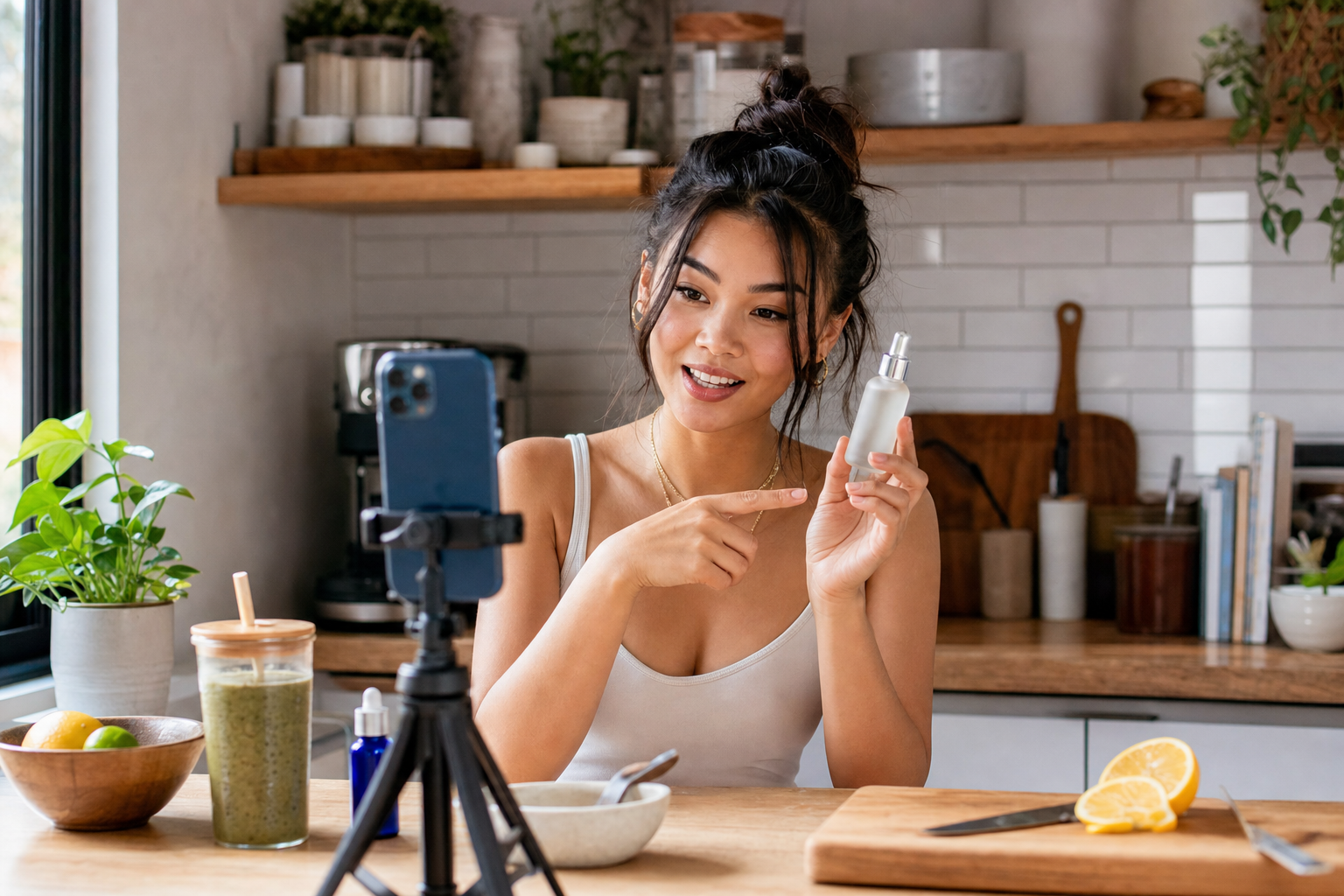
TikTok Shop sample operations for sellers
A TikTok Shop sample is an inventory allocation decision, not simply free product. Every approval commits product cost, shipping, handling, support time, and often tax or subsidy expense before a creator publishes. A disciplined program sends the right sample type to creators who fit the product, then measures content completion and contribution instead of celebrating shipment volume.
If you need the creator request screens and basic seller setup, use our TikTok Shop sample request guide. This playbook starts after that foundation and focuses on the seller's portfolio, economics, approval system, and operating cadence.
Key takeaways
- Choose free, refundable, or targeted samples according to product risk, creator fit, and the learning goal.
- Model landed sample cost and contribution margin before setting quotas.
- Approve on product relevance, content evidence, and fulfillment history—not follower count alone.
- Treat review, shipping, and posting deadlines as market- and account-specific rules.
- Measure the whole funnel from request to usable content, attributed orders, and repeat collaboration.
Choose the sample model before opening inventory
Use the sample type to allocate risk deliberately. The current US TikTok Shop seller sample guide, dated July 16, 2026, describes free and refundable samples across Open and Target Collaborations. Availability and settings can differ by market and account, so the offer visible in Seller Center is the source of truth.
| Model | Who carries upfront product risk | Best operating use | Main control |
|---|---|---|---|
| Free sample | Seller pays product, shipping, tax, and handling costs | High-confidence creators or a controlled learning cohort | Quantity, period, creator criteria, and approval |
| Refundable sample | Creator purchases first; refund depends on displayed criteria | Broader testing where a seller wants less sample subsidy | Clear sales criteria and refund window |
| Targeted free sample | Seller | Known creators with strong product fit or priority launches | Invite list, quota, and fulfillment follow-up |
Under the current US refundable-sample policy, the refund depends on the sales threshold shown in the offer; content alone does not trigger it, and the creator's own purchase does not count. Never describe a refundable sample as guaranteed reimbursement. Confirm the live terms before a campaign launches.
Build the economics before quotas
Calculate landed sample cost as product cost of goods plus pick and pack, outbound shipping, taxes or subsidy, support, replacements, and the team's processing time. High-cost, fragile, return-prone, low-margin, or tightly stocked products need narrower quotas and stronger evidence than inexpensive products with healthy contribution.
For attributed orders, calculate contribution from net revenue after product cost, creator commission, platform and payment fees, fulfillment, discounts, returns, and refunds. At cohort level, compare total contribution and legitimate reusable content value against sample and operating cost. Count content value only when the brand has the required usage rights, and do not count the same commercial outcome twice.
Practical rule: set a sample budget by product and cohort, not as a fixed percentage copied from another shop. Reserve an exploration bucket for new creators and a separate allocation for proven relationships.
Approve for product-creator fit
Start with category, audience, market, product use case, price, demonstration needs, and claim risk. Then review several recent and comparable posts, commercial performance where available, content quality, posting consistency, prior sample fulfillment, and whether the creator can disclose and demonstrate the product responsibly.
Follower count can provide context but should not be the approval system. A smaller category specialist can be more useful than a broad account with weak product relevance. When the Creator Sample Score appears in an eligible US account, TikTok says it can reflect fulfillment, diligence, sales ability, and content quality. The feature is still in testing, so treat it as one signal rather than a universal rule or sole decision.
Define reasons for approval, manual review, and rejection. Auto-approval can reduce queue time when available, but its rules and quota need monitoring. Requests that do not match an automated rule should receive a human review rather than disappearing from the pipeline.
Run one operational pipeline
- Configure: choose collaboration, sample type, inventory, period, criteria, commission, and expectations.
- Review: assess request eligibility and product fit, then record the decision.
- Reserve and ship: protect approved inventory, fulfill through the native order, and retain tracking.
- Monitor delivery: start the displayed content window from the correct event and handle damaged, late, or incorrect products.
- Verify content: confirm the correct product link, disclosure, format, and completion status.
- Measure and learn: connect content and attributed orders to the product, cohort, sample type, and approval rule.
The July 16, 2026 US seller guide currently says sellers review free-sample requests within seven days, ship approved requests within seven days, and creators publish within 14 days after receipt. Its refundable-sample workflow gives creators 90 days to meet the configured sales criterion. These are dated US examples, not promises for every market. Closed, banned, deleted, unavailable, or sold-out products can also change obligations; follow the live account state.
Measure and govern the program
Track requests, eligible requests, approvals, shipments, deliveries, completed posts, compliant or reusable assets, attributed orders, contribution, and repeat collaborations. Useful operating ratios include approval rate, on-time shipping, content completion, time to post, contribution per shipped sample, sample cost per completed asset, and repeat-creator rate.
Compare cohorts by product, sample type, creator segment, open versus targeted source, and approval rule. Keep assisted discovery separate from attributed sales, respect the platform's attribution window, and avoid claiming that one sample caused every later customer interaction. Review exceptions and creator feedback alongside the numbers.
Coordinate the workflow with Reacher
Reacher's sample management workflow gives seller teams one queue for requests, approvals, shipments, posts, completion, expiring items, collaboration history, and GMV context. Teams can define ideal creator profiles and approval rules while keeping each relationship connected to outreach and future campaigns. TikTok Shop remains the source of truth for native eligibility, order, shipping, refund, and content-obligation status.
Frequently asked questions
What is the difference between free, refundable, and targeted samples?
A free sample puts the product and fulfillment cost on the seller. A refundable sample is purchased by the creator and refunded only when the displayed criterion is met. A targeted sample is offered to selected creators inside a Target Collaboration; its payment and content terms still need review.
How much should a seller budget for samples?
There is no responsible universal percentage. Model landed sample cost, expected product contribution, available inventory, and the learning value of each cohort. Set a loss limit and review it by product.
How should sellers approve creators?
Use audience and product fit, several relevant content examples, fulfillment history, commercial evidence, quality, and claims risk. Do not depend on follower count or a single platform score.
What obligations follow an approved sample?
The native order and collaboration terms control. In current US guidance, approved free samples carry shipping and creator-content timelines, while refundable samples use a displayed sales criterion and window. Verify the live account.
How do sellers measure sample profitability?
Compare cohort contribution and legitimate content value with landed sample and operating cost. Review completion, time to post, returns, attribution limits, and repeat collaboration before expanding a quota.
Can Reacher change TikTok Shop eligibility or deadlines?
No. Reacher organizes the seller's creator relationships and sample workflow. TikTok Shop controls eligibility, native order status, policy, deadlines, refunds, and platform attribution.