
Reacher Stephen
TikTok Creator Guide: Creator Marketplace, Creator Center, Studio, Shop, and Live Explained
TikTok Creator Marketplace, Creator Center, Studio, Shop, and Live decoded — what each surface does, how to join, who is eligible, and how brands and creators actually work together.
tiktok creator
A TikTok creator is someone who makes content on TikTok, whether they publish videos, host live streams, or promote products. The names for TikTok’s creator tools can be confusing: Creator Center, TikTok Studio, Creator Marketplace, Shop, and Live each refer to different functions, and some naming has changed.
Key Takeaways
- A TikTok creator produces videos, live streams, or product promotions on the platform, and each activity connects to a different set of TikTok tools.
- Creator Marketplace, Creator Center, TikTok Studio, Shop, and Live serve distinct functions, so brands should match each tool to the specific task at hand.
- Some of TikTok's tool names have changed over time, which means older guides may point to renamed features and cause unnecessary confusion.
- Knowing which surface handles discovery, publishing, commerce, and live selling helps brands and creators build cleaner, more efficient workflows.
- Understanding these tools is the first step toward scaling a TikTok Shop creator programme with confidence and clarity.
This guide maps those surfaces and explains how to find the Marketplace application path. TikTok’s in-app options and eligibility can vary by country and account, so use the options shown in your own account as the final check.
What Is a TikTok Creator? The One Map That Ends the Tool-Name Confusion
A TikTok creator is a person who publishes content on the platform. Creator Center and TikTok Studio support creator tools and account management; Creator Marketplace connects brands with creators for collaborations; Shop and Live describe commerce and streaming experiences. “Creator app” is commonly used to mean TikTok’s main mobile app with creator features, not a separate, universal app name.
TikTok Creator Center vs TikTok Studio vs the Creator app
Creator Center is a name used for TikTok’s creator resources and tools. TikTok Studio is the in-app destination for managing creator activity, accessing analytics, and finding features such as monetization. Menu labels may change as TikTok updates its app.
The phrase “TikTok creator app” usually means the TikTok mobile app used to publish and manage content. It is not Creator Marketplace, which is a platform for brand and creator collaborations.
Creator Marketplace and the TikTok One rebrand
TikTok Creator Marketplace has been associated with brand discovery and creator collaborations. TikTok has introduced TikTok One as a broader platform for collaboration between brands and creators. Names and access points can differ across TikTok surfaces, so check the official TikTok account or help information available in your region before relying on an older tutorial.
Creator Shop and Creator Live defined
“Creator Shop” is often shorthand for a creator’s TikTok Shop affiliate activity, such as showcasing products and earning commissions on eligible sales. It should not be confused with a creator profile or analytics dashboard. TikTok Live is the platform’s live-streaming feature; creators can host live video, and Shop features may support product discovery during a stream where available.
Comparison table: every creator surface in one place
| Surface | Main purpose | Use it to |
|---|---|---|
| Creator Center | Creator resources and tools | Find guidance and creator information |
| TikTok Studio | In-app creator management | Review account tools, analytics, and monetization options |
| Creator app | Informal name for TikTok’s mobile app | Create, publish, and manage content |
| Creator Marketplace / TikTok One | Brand and creator collaboration | Explore partnership opportunities and related tools |
| Shop | Social commerce | Feature products and participate in affiliate activity where eligible |
| Live | Real-time video | Broadcast and interact with viewers |
How to Join TikTok Creator Marketplace: Eligibility and Exact Steps
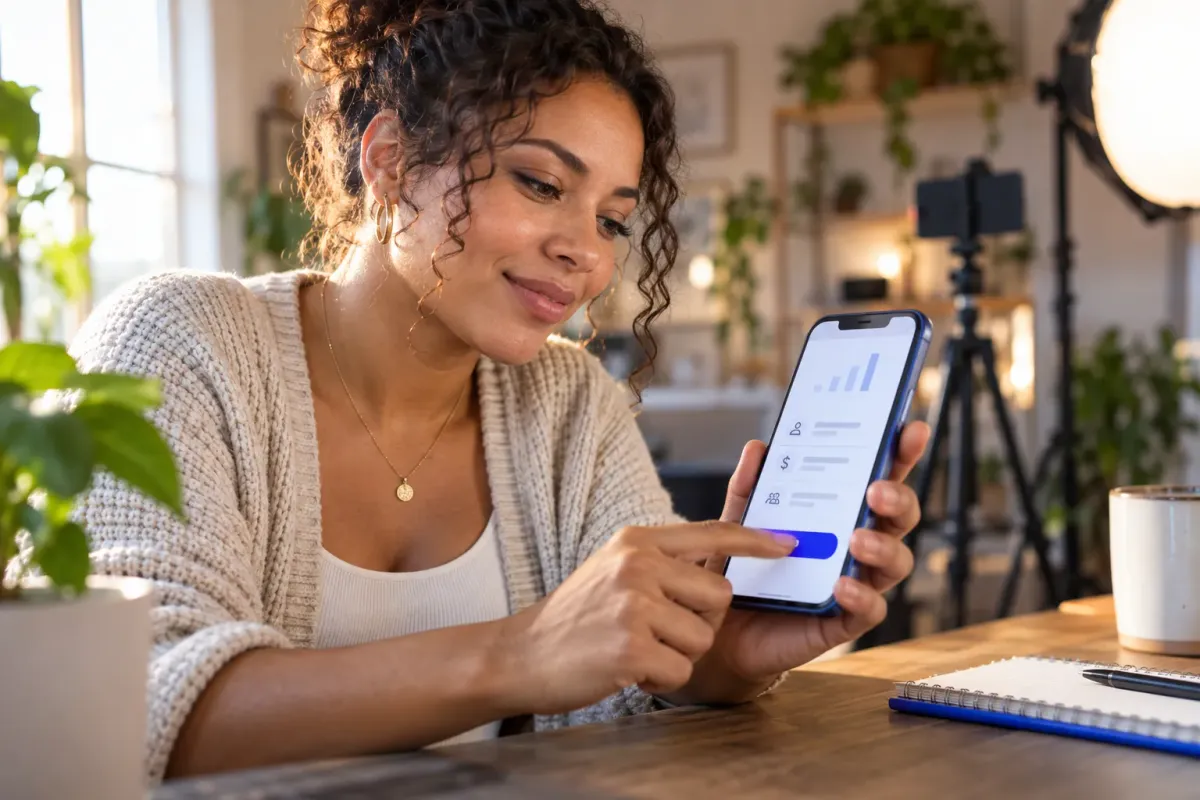
To apply, start in the TikTok app and check whether Creator Marketplace appears in your account’s monetization tools. TikTok’s Help Center gives the navigation path as Profile → Menu → TikTok Studio → Monetization → Creator Marketplace. If the option is missing, access may depend on your location, account status, or current TikTok requirements.
The exact in-app path
- Open TikTok and go to your Profile.
- Tap Menu, then open TikTok Studio.
- Select Monetization.
- Choose Creator Marketplace if it appears, then follow the on-screen application steps.
TikTok may update its menus, so a different label does not necessarily mean your account is ineligible. Check the current TikTok Help Center instructions if the path differs.
Eligibility checklist: country, account type, and follower requirements
Eligibility is not a single worldwide checklist. TikTok’s available features and application criteria can vary by country and may change. Confirm the requirements displayed in your account rather than using a follower threshold from an old guide.
- Country: Check whether Marketplace access is offered in your location.
- Account status: Review account notifications and confirm your profile can access monetization tools.
- Account type: Follow the account-type instructions shown in the application flow.
- Followers and activity: Use TikTok’s current in-app criteria; do not assume one threshold applies in every market.
Creator account vs business account: which one you need
Choose based on your role and the tools you need, then verify Marketplace eligibility in TikTok Studio. A creator account is oriented toward an individual publishing content; a business account is intended for a business presence. Account type alone does not establish Marketplace eligibility, because TikTok’s regional and account-specific criteria also apply.
Creator login troubleshooting basics
For a TikTok creator login, use the TikTok account connected to the profile you intend to use. If Creator Marketplace opens but does not recognize your account, confirm you are signed in with the correct credentials, check that your profile information is current, and retry through TikTok’s official app or Marketplace sign-in page. Avoid sharing passwords or verification codes with anyone offering account access.
The Real Creator Experience: What Creators Say About the Platform
Creator sentiment is shaped by more than views and follower counts. Creators describe uncertainty about algorithm changes, moderation decisions, and income tied to a single platform. One reported concern captures the financial risk plainly: “as long as you rely on any of these apps to pay you, you are vulnerable.” That perspective is not a prediction that TikTok will disappear. It is a reason to build an audience and income plan that can withstand change.
Algorithm shifts and follower-count bias for smaller creators
When recommendations change, creators may see uneven distribution across posts, even when they maintain a consistent publishing schedule. Smaller accounts can also feel that follower count shapes their opportunity to reach viewers or attract brand attention. A large following can help establish a track record, but it does not explain every video’s reach or prove that an audience will respond to a particular product.
Creators can respond by tracking signals they control: which topics prompt meaningful comments, which formats hold attention, and whether viewers return. Brands should assess content relevance and audience fit alongside follower totals. This gives both sides a clearer basis for decisions than a single viral post or profile metric.
Ban anxiety, moderation worries, and platform-risk planning
Strict moderation can leave creators concerned that an opinion, product claim, or account decision will limit their reach or access. Platform rules and enforcement can change, so creators should review current policies, keep copies of original content, and use accurate claims in sponsored posts. These steps do not prevent every restriction, but they make it easier to understand a decision and maintain an organized record.
Why multi-platform diversification is the prevailing strategy
Creator sentiment points toward diversification rather than platform loyalty. Maintaining an email list, developing a recognizable content identity, and adapting strong ideas for more than one channel can give creators additional ways to stay connected with their audience. Each channel has its own format and rules, so republishing should be thoughtful rather than automatic. The aim is to reduce dependence on one source of discovery or income while preserving a consistent relationship with viewers.
Creator platform trade-offs
Pros
- Short-form video can help creators reach viewers beyond their existing followers.
- Multiple channels can create more than one route to audience relationships and income.
Cons
- Recommendation and moderation decisions are controlled by the platform.
- Maintaining content and audience activity across channels takes planning.
How Brands and TikTok Creators Actually Work Together: From Discovery to GMV
Brand partnerships become operational when discovery connects to outreach, product samples, published content, and sales measurement. A marketplace can help brands identify potential collaborators, but an affiliate program also needs a repeatable process for managing conversations, tracking product delivery, and understanding which partnerships generate gross merchandise value (GMV), the value of goods sold.
The brand-side workflow: discovery → outreach → samples → GMV
A practical workflow starts with a clear creator profile: audience fit, content style, product category, and campaign terms. The brand reviews potential partners, sends a specific invitation, handles sample requests, and tracks each creator’s progress from response through posting and sales. Define the outcome before outreach begins. A campaign focused on product education may need different content criteria from one centered on direct sales.
- Set criteria: Describe the audience, content, and product fit you need.
- Find and contact: Build a relevant prospect list and send a clear offer.
- Manage samples: Record requests, approvals, and delivery status.
- Review performance: Connect creator activity with GMV and use the findings to guide follow-up.
Where Creator Marketplace ends and affiliate management platforms begin
Marketplace tools focus on brand and creator collaboration. Day-to-day affiliate operations extend beyond finding a partner: teams need a shared view of messages, sample status, creator activity, and sales outcomes. The handoff matters. Without a clear operating record, teams can lose context between an initial invitation and the decision to re-engage a creator.
| Work area | Operational need | What the team should track |
|---|---|---|
| Discovery and recruitment | Identify suitable partners and communicate an offer | Fit criteria, outreach status, and replies |
| Affiliate operations | Coordinate samples and ongoing creator relationships | Requests, approvals, messages, and posting activity |
| Measurement | Understand creator contribution to sales | GMV by creator and program performance |
Running the TikTok Shop affiliate program at scale with Reacher
Reacher brings discovery, recruitment, and affiliate management into one system. AI Creator Search Outreach can run through DM, Target Collab, and email at up to 10,000 creators a day. Teams can manage creator status, messages, samples, and GMV in a CRM, while sample requests move through one queue with bulk rejection and weekly caps.
That shared workflow helps teams move from broad recruitment to informed follow-up. Re-engage supports efforts to reconnect with creators who have stalled, while dashboard reporting includes creator and cohort views. For teams reviewing TikTok Shop performance data, the FastMoss TikTok Data Analytics Platform lists Track competitor performance, Discover top products, Creator analytics, Viral trend detection, Live performance tracking, and Data accuracy with 90% reliability guarantee. The FastMoss TikTok Data Analytics Platform is a separate analytics option; Reacher’s role is to manage creator discovery, outreach, samples, and affiliate-program activity.
Creator Monetization Paths and What Comes Next on TikTok Shop
A creator’s income can come from platform rewards, affiliate sales, paid brand partnerships, or live selling. Each route has different requirements and trade-offs, so build a mix that fits your audience and content rather than relying on a single payout source. For a TikTok creator, Shop affiliate activity connects product recommendations to eligible sales, while other income streams may depend on platform rules or individual agreements.
Creator rewards, affiliate commissions, brand deals, and live selling
Check current eligibility and terms in TikTok’s official tools before planning around a specific program. A reward program pays according to its applicable rules; affiliate commissions depend on qualifying purchases and commission terms; brand deals are negotiated partnerships; and live selling combines real-time presentation with product discovery. Income varies by audience response, product fit, contract terms, and platform availability.
| Path | How income is generated | What to review |
|---|---|---|
| Creator rewards | Eligible content earns under program rules | Current eligibility and payout terms |
| Affiliate commissions | Commission is tied to qualifying product sales | Commission, returns, and product fit |
| Brand deals | A brand pays for agreed content or deliverables | Scope, usage rights, payment, and disclosure |
| Live selling | Product sales occur through a live shopping experience | Product availability and live commerce terms |
Shop-first: why the TikTok Shop creator is social commerce's highest-value actor
Shop makes content, product discovery, and purchase action part of one experience. That gives creators a direct role in explaining how an item works, answering viewer questions, and presenting it in context. Their value is not simply reach: clear demonstrations and credible recommendations can help audiences make informed buying decisions. Shopping content still needs to serve viewers, so choose products that suit your audience and keep claims accurate.
Building a monetization stack that survives platform change
Reduce dependence on any single income source by combining suitable revenue paths and maintaining audience relationships beyond one feed. Track which formats generate engagement, inquiries, and sales, then adjust your mix as rules and viewer behavior change. FastMoss TikTok Data Analytics Platform offers a way to examine TikTok data; review its listed capabilities at FastMoss TikTok Data Analytics Platform. Use FastMoss TikTok Data Analytics Platform as an analytics option, not as a substitute for your own business judgment.
For brands building the affiliate side of this strategy, Reacher brings creator discovery, outreach, program management, and GMV reporting into one system. Explore Reacher to organize creator partnerships around measurable business outcomes while keeping your revenue plan adaptable.
Frequently Asked Questions
Did TikTok pay creators?
Yes, TikTok pays creators through monetization tools such as Creator Marketplace brand partnerships, TikTok Shop affiliate commissions, LIVE gifts, and creator funds where available. Availability varies by country and account, so check the Monetization section in TikTok Studio to see which options your account qualifies for.
What is the difference between Creator Center and TikTok Studio?
Creator Center refers to TikTok's creator resources and guidance, while TikTok Studio is the in-app destination for managing your account, analytics, and monetization tools. TikTok updates menu labels over time, so always confirm the current names in your own app.
How do I apply to TikTok Creator Marketplace?
Open TikTok, go to your Profile, tap Menu, open TikTok Studio, select Monetization, then choose Creator Marketplace if it appears and follow the application steps. If the option is missing, access may depend on your location, account status, or TikTok's current requirements.
What do I need to start TikTok as a creator?
You need a TikTok account, a smartphone with the app installed, and a clear content niche. To access monetization features like Creator Marketplace, you must also meet TikTok's current in-app criteria for your country, account type, and follower activity.
Who made and owns TikTok?
TikTok is owned by ByteDance, a Chinese technology company that launched the platform in 2016. The company operates TikTok globally, with ByteDance founder Zhang Yiming credited with creating the parent company behind the app.
Is the TikTok CEO a billionaire?
TikTok's CEO position has changed hands over time, and billionaire status applies to ByteDance founders and early investors rather than the CEO role itself. Zhang Yiming, ByteDance's founder, is widely reported to be a billionaire based on his stake in the company.
What are the best times to post on TikTok?
The best times to post on TikTok depend on your specific audience, since the algorithm prioritizes engagement over posting time alone. Review your TikTok Studio analytics to identify when your followers are most active, then test posting at those windows consistently.