Reacher Stephen
TikTok Creators Marketplace: TikTok One Requirements, Setup, and How to Find Creators That Convert
TikTok Creator Marketplace is now TikTok One. Compare brand and creator requirements, sort out the 1K vs 10K follower confusion, and learn how to find and vet creators who actually convert.
tiktok creators marketplace
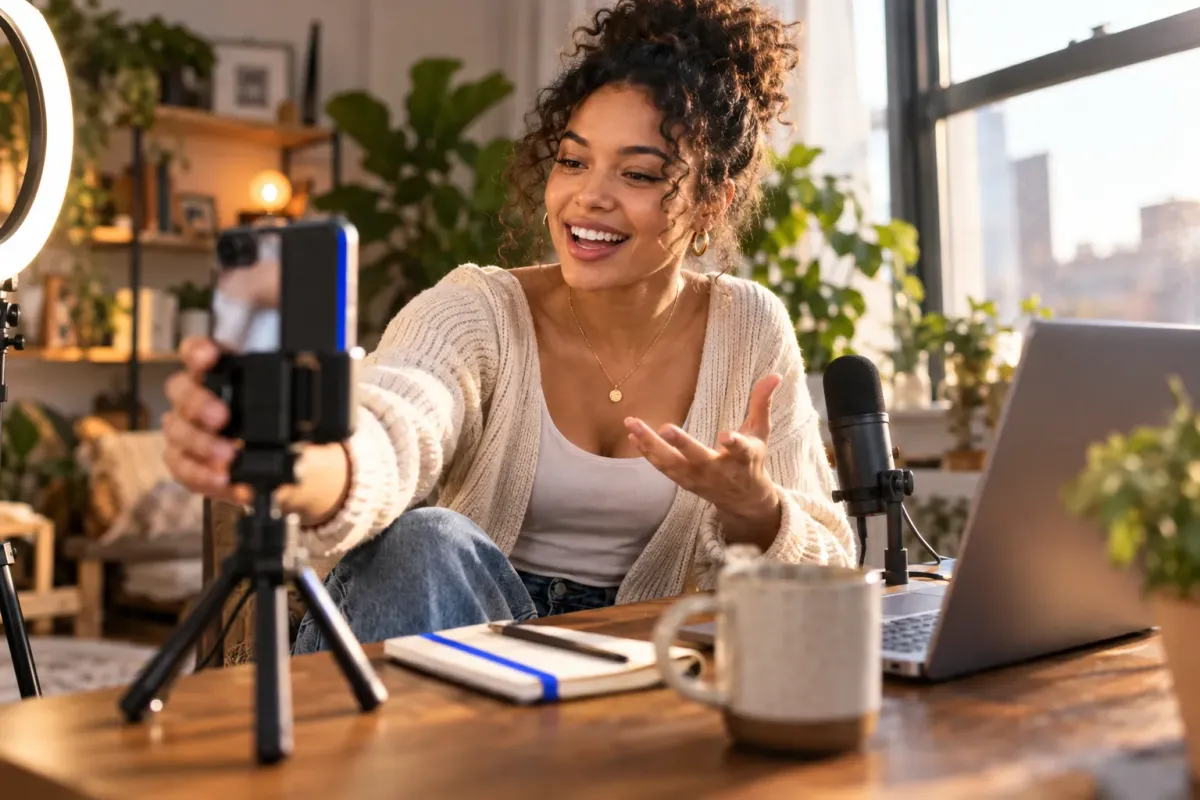
The tiktok creators marketplace has shifted under TikTok One, but the name change does not make every creator program the same. TikTok One connects brands and creators for projects; TikTok Shop’s affiliate program centers on promoting products sold through a shop.
Key Takeaways
- TikTok One now hosts the creator marketplace experience, but it serves a different purpose than TikTok Shop's affiliate program.
- TikTok One is built for brands and creators to collaborate on projects, while the affiliate program focuses on promoting products sold through a shop.
- Brands should choose the right program based on their goal, since project collaborations and product-driven affiliate sales require different workflows.
- Understanding this distinction helps you match your creator recruitment strategy to the outcome you want, whether that is branded content or measurable revenue.
Before signing up, check which program fits your goal and confirm the eligibility rules for your account type. Follower thresholds often cited online refer to different program contexts, not one universal requirement.
TikTok Creator Marketplace was TikTok’s platform for connecting brands and creators. TikTok One is the newer platform name and includes creator collaboration tools. TikTok Shop affiliate participation is a separate path for creators promoting shop products for commission. Requirements depend on the specific project, country, and program.
What Is the TikTok Creators Marketplace (And Why It's Now TikTok One)
TikTok One is TikTok’s platform for creator collaborations and related marketing work. The tiktok creators marketplace name still appears in older guides because TikTok used it for its creator-brand matching service. TikTok’s official TikTok One materials explain the current sign-up process and eligibility. Use those for account-specific rules instead of assuming older Marketplace instructions still apply.
TikTok Creator Marketplace vs TikTok One: the rebrand explained
The change is primarily a platform and naming shift: creators and brands looking for TikTok collaboration tools should check TikTok One. Older references to Creator Marketplace may describe earlier workflows or access criteria. Before planning a campaign, confirm the feature you need is available in your country and account, since access can vary.
Native marketplace vs TikTok Shop affiliate: how the two programs differ
TikTok One supports brand-creator projects, including sponsored content collaborations. TikTok Shop affiliate participation is tied to products in a shop: creators promote eligible items, and commissions follow the shop’s offer and program terms. A sponsored video agreement and an affiliate product promotion are not interchangeable. Set the campaign objective, deliverables, usage rights, and compensation before inviting creators.
| Program | Main purpose | Typical collaboration |
|---|---|---|
| TikTok One | Connect brands with creators for projects | Campaign deliverables agreed between brand and creator |
| TikTok Shop affiliate | Promote products listed in a TikTok Shop | Product promotion with commission terms |
Who each program is built for
TikTok One suits brands seeking creators for a defined campaign and creators seeking paid or otherwise agreed project opportunities. TikTok Shop affiliate is designed for sellers seeking product promotion and creators interested in earning through eligible product sales. Businesses can use both, but should track project fees, product commissions, content rights, and performance separately.
TikTok Creators Marketplace Requirements for Brands and Creators
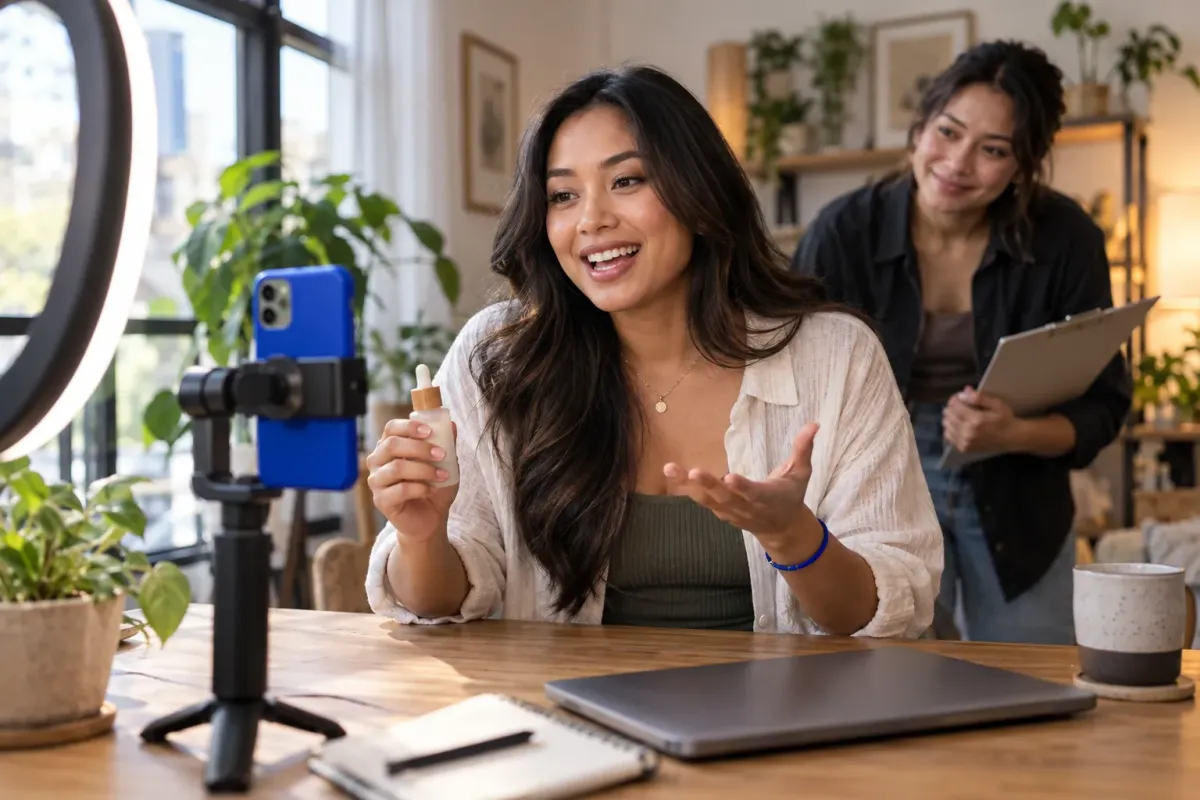
No single eligibility checklist applies to every brand, creator, and TikTok feature. TikTok’s official help center article on creator sign-up for TikTok One says creator access depends on TikTok One being launched in the creator’s country, an age requirement of 18 or older, and compliance with Community Guidelines and the Branded Content Policy. Brand access and campaign tools can also depend on location and account availability.
Brand eligibility: what you need before you can sign up
Prepare a business account, clear brand identity, and campaign details before starting. TikTok may ask for account or business information during enrollment, and the process can differ by market. Check TikTok’s current business-facing TikTok One instructions for account-specific steps; creator eligibility rules are not brand requirements.
- Confirm TikTok One access in your market.
- Use an account that represents the brand or authorized business.
- Prepare product information, campaign goals, deliverables, and contact details.
- Review TikTok’s policies for branded content and the content category.
Creator eligibility: followers, age, region, and community guidelines
TikTok’s creator sign-up guidance identifies country availability, age 18 or older, and policy compliance as conditions for TikTok One participation. Creators also need an account in good standing and must meet any project-specific criteria. Requirements can vary by feature and market, so check current in-app or official help-center instructions before applying.
The 1K vs 10K follower requirement, settled with sources
The two thresholds are often mixed together because they appeared in different program descriptions and older guidance. TikTok’s help center, updated July 2026 according to the supplied research, says creators need at least 1,000 followers to participate in projects. Some older references cite 10,000 followers and 100,000 video likes in the previous 28 days as legacy Creator Marketplace criteria. Treat the current TikTok One project rule and the older threshold as distinct, and verify the requirement shown for your country and project.
| Threshold cited | Context | How to interpret it |
|---|---|---|
| At least 1,000 followers | TikTok One project participation, per TikTok help center updated July 2026 | Check current project and market eligibility |
| 10,000 followers and 100,000 video likes in 28 days | Legacy Creator Marketplace references | Do not assume this older rule applies to every TikTok One project |
Step-by-step setup: brand account vs creator account
Start with the right account path. A brand should prepare its business identity and campaign needs; a creator should confirm eligibility and complete TikTok’s creator sign-up flow. If TikTok One is unavailable in your country or the relevant feature is absent from your account, follow TikTok’s current availability guidance rather than an old tutorial.
- For brands: Open TikTok’s business-facing TikTok One entry point and sign in with the account representing your business.
- For brands: Complete the requested business details, then define the campaign objective, deliverables, schedule, and compensation.
- For creators: Review TikTok’s official TikTok One sign-up help article and confirm country, age, and policy eligibility.
- For creators: Sign in to the account you intend to use, complete the prompts, and review project requirements before applying.
Finding Creators That Convert Inside TikTok One
Finding creators inside TikTok One takes more than browsing profiles. Start with the campaign outcome, then use available search and project criteria to focus on creators whose audience, subject matter, and content style fit the product. For the tiktok creators marketplace, a clear selection process helps your team judge applicants against the same standards instead of relying on follower count or a polished bio alone.
Search and filter: location, niche, engagement, and audience demographics
Set criteria before reviewing profiles. Match creator location to shipping availability and campaign markets, then narrow by niche, audience demographics, and video style. Review recent posts, not just a profile summary: current topics and presentation show whether the product belongs naturally in a creator’s content.
Use engagement as a prompt for closer review, not a pass-or-fail score. Read comments for genuine interest, check whether views are consistent across recent posts, and consider whether the audience matches your customer. TikTok One’s available filters and profile information can vary, so confirm the details provided for each creator before setting expectations.
How to write a campaign brief that attracts qualified creators
A useful brief answers the questions that determine whether a creator should apply: who the product serves, what content you need, what compensation or commission applies, and how success will be assessed. State hard requirements such as location, product experience, posting window, or minimum deliverables. Replace vague requests like “make a viral video” with the product benefit and room for creators to shape an authentic demonstration.
Outreach methods compared: Target Collab, DMs, and email
Choose the contact route that fits the creator and campaign workflow. Target Collab gives brands a way to present an opportunity to eligible creators within TikTok’s collaboration environment. Direct messages suit a concise, personalized invitation, while email works well when a creator lists a business contact or the campaign needs more detail. Keep the offer, deliverables, timeline, and next step consistent across channels.
A strong first message is specific and easy to answer: “Hi Jordan, your recent meal-prep videos align with our product’s use case. We’re inviting creators to make one recipe-focused video during the campaign window. The project includes a product sample and a paid fee, with usage rights agreed in writing. Are you available? I can send the full brief.” Personalize the reason for contact and follow up according to the platform’s rules.
Pricing and payment structure: what collaborations actually cost
There is no universal creator fee. Total cost depends on deliverables, production effort, the creator’s audience and experience, exclusivity, usage rights, and whether payment includes a fixed fee, product, commission, or a combination. Set terms before work begins, including payment timing, revision expectations, disclosure requirements, and where the content may appear.
For a TikTok Shop affiliate campaign, specify product commission and offer details separately from any paid content fee. For a sponsored project, agree on the fee and usage rights directly in the campaign terms. Compare proposals against the work and rights requested, not follower count alone.
The 'Interested' Spam Problem: A Vetting Playbook for Applicant Flooding
“Interested” replies are not evidence of creator fit. A broad call for applicants invites responses before creators know the product, deliverables, audience requirements, or compensation. The tiktok creators marketplace can surface potential partners, but your brief and review process determine whether those responses become qualified conversations. Define eligibility up front, then assess applicants against campaign-specific signals.
Why marketplace listings drown brands in low-signal replies
When an invitation lacks concrete criteria, creators cannot judge whether they qualify, and the brand receives applications with little useful information. A request that names only a product category or asks for “interested creators” leaves key questions unanswered: where the creator must be based, what content is needed, and whether the project is paid or commission-based. Clear requirements help suitable creators self-select and give your team a consistent basis for review.
A 5-point creator vetting checklist: engagement quality, past GMV signals, content fit, audience match, response rate
Evaluate applicants against evidence relevant to the campaign. A single metric does not guarantee sales; combine profile details, recent content, and creator responses.
- Engagement quality: Read comments and review recent video activity for relevant, genuine audience discussion.
- Past GMV signals: Where available, review prior sales or product-promotion evidence related to your category.
- Content fit: Check whether the creator can demonstrate your product naturally in their established format.
- Audience match: Confirm that location, interests, and customer profile align with the campaign.
- Response rate: Note whether the creator answers questions clearly and confirms the requested terms.
Qualification criteria to publish in every brief so unqualified creators self-select out
List required location, content niche, deliverables, schedule, compensation type, product or sample conditions, and requested usage rights. Ask applicants for links to relevant posts and confirmation they can meet the timeline. State directly if a campaign needs a particular audience or prior product-selling experience. Specific criteria reduce avoidable back-and-forth and make review fairer for every applicant.
Scaling past native search: AI-powered discovery and multi-channel outreach with Reacher
When manual review limits campaign scale, Reacher offers another discovery workflow. Brands describe the creator they want in plain English, and Reacher’s AI Creator Search ranks a database of more than 4 million TikTok Shop creators. Search can use a profile, transcript, visual, or lookalike creator to help teams move from broad browsing to a shortlist. Outreach can run through DM, Target Collab, and email at up to 10,000 creators a day, with personalized messages drafted for review before sending.
Keep analytics and recruitment distinct: FastMoss TikTok Data Analytics Platform includes Creator analytics and Track competitor performance among its stated capabilities. It also lists Discover top products, Viral trend detection, Live performance tracking, and Data accuracy with 90% reliability guarantee. Use available analytics to inform your criteria, then assess creator fit and campaign terms directly.
Native Marketplace vs Third-Party Creator Platforms: Choosing Your Stack
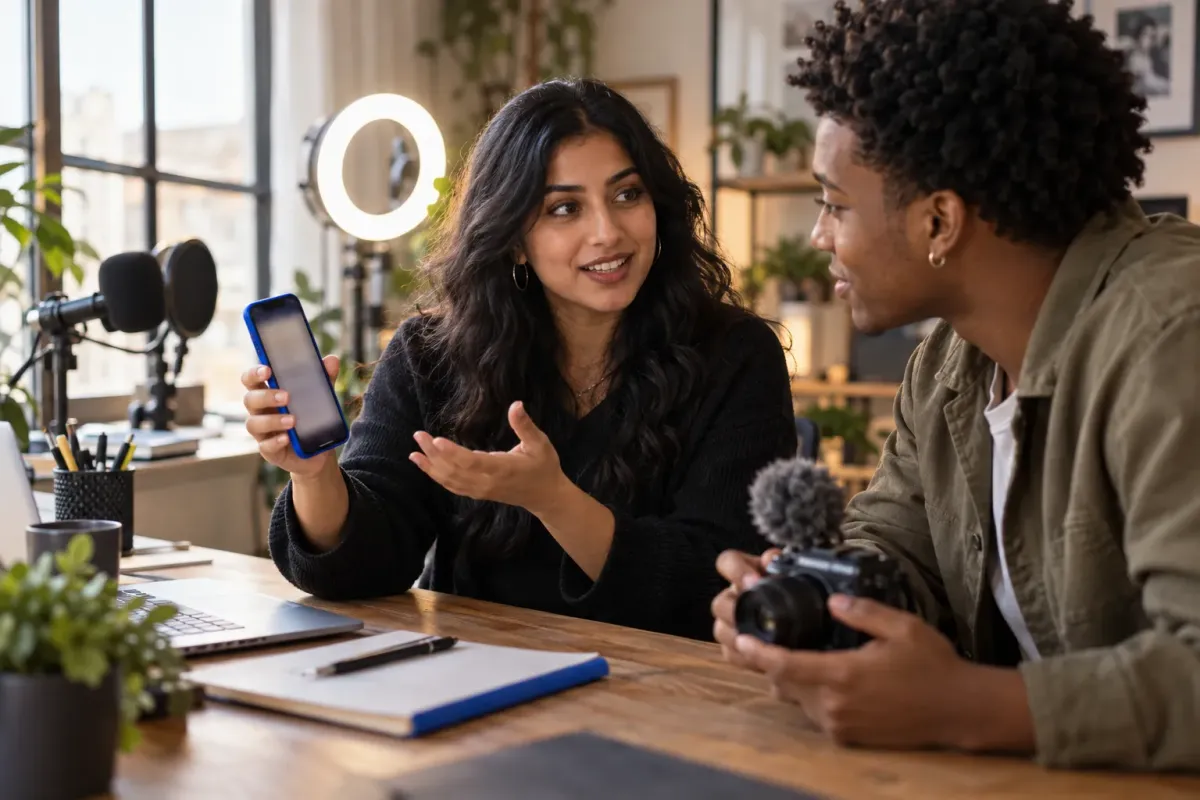
TikTok One gives brands a native place to connect with creators for projects. A creator management platform addresses work that continues after discovery: organizing outreach, samples, creator communication, performance data, and follow-up. The right setup depends on campaign volume and how much of that workflow your team can manage manually. Treat native access as a starting point, then add tools when coordination and measurement become operational bottlenecks.
Side-by-side: what TikTok One does well and where it stops
TikTok One supports creator collaborations within TikTok’s own environment. A separate management system can bring recruitment and ongoing affiliate operations into one workflow. Assess each option by the work it supports: discovery alone does not organize sample requests, track creator status, or show whether a creator cohort keeps posting.
| Workflow need | TikTok One | Creator management platform |
|---|---|---|
| Creator projects | Native collaboration environment | Can support discovery and outreach workflows |
| Ongoing creator operations | Confirm the tools available to your account | May organize CRM, samples, and re-engagement |
| Performance review | Use available campaign information | May centralize creator and cohort reporting |
When to add a creator management platform: decision matrix
Stay with a native workflow for occasional projects when you can review applicants, coordinate terms, and track results without losing visibility. Add a management platform when creator activity spans recurring campaigns, multiple team members, or an affiliate program that needs consistent follow-up.
- Occasional campaign: Start with TikTok One and document deliverables, rights, and payment terms.
- Growing creator roster: Add structured tracking for messages, samples, status, and sales by creator.
- Ongoing affiliate operation: Look for tools that support re-engagement, reporting, and workflow ownership.
Reacher is built for TikTok Shop affiliate and creator management, combining creator discovery, outreach, CRM, samples, and reporting in one system. Choose it when your team needs those connected workflows, rather than adding software without a defined operational need.
Best practices for collaborations that compound
Set each collaboration up for repeatable learning. Write a brief with clear deliverables, audience fit, usage rights, compensation, and timing. Track sample requests and posting status, then re-engage creators whose content and audience suit the next campaign. Review creator cohorts over time instead of judging the program from isolated posts.
For cross-channel decisions, connect content activity to accessible sales data and distinguish observed performance from assumptions. Reacher’s Halo Effect connects TikTok content to Amazon, Shopify, and retail sales for cross-channel ROAS measurement. If your team is ready to organize creator operations beyond native project discovery, explore Reacher’s workflow and see whether it fits your campaign requirements.
Frequently Asked Questions
What is the creator marketplace on TikTok?
The TikTok Creator Marketplace was TikTok's platform for connecting brands with creators, and it now operates under the name TikTok One. TikTok One includes creator collaboration tools for sponsored projects, while TikTok Shop's affiliate program is a separate path focused on promoting shop products for commission.
Does TikTok pay creators?
TikTok does not automatically pay creators through TikTok One; compensation comes from the projects agreed between brands and creators. In the TikTok Shop affiliate program, creators earn commissions when their product promotions drive eligible sales, with terms set by each shop's offer.
How many TikTok followers do I need for TikTok One?
The 10,000-follower figure with 100,000 video likes in 28 days comes from legacy Creator Marketplace criteria and does not apply to every current project, so verify the requirement shown for your country.
What are the eligibility requirements for TikTok One creators?
Creator access to TikTok One depends on the platform being launched in the creator's country, being 18 or older, and complying with TikTok's Community Guidelines and Branded Content Policy. Creators also need an account in good standing and must meet any project-specific criteria set by the brand.
What is the difference between TikTok One and the TikTok Shop affiliate program?
TikTok One connects brands and creators for defined campaign projects with agreed deliverables and compensation. The TikTok Shop affiliate program ties creators to specific products listed in a shop, where they earn commission on eligible sales. A sponsored video agreement and an affiliate promotion are not interchangeable.
Where do brands get products to sell on TikTok?
Brands sell on TikTok by setting up a TikTok Shop and listing their own products, then recruiting affiliate creators to promote those items for commission. Once the shop is live, platforms like Reacher help brands describe the creators they want, rank matches from a database of more than 4 million TikTok Shop creators, and run outreach at scale.
How many TikTok followers do I need to make $2,000 a month?