
Reacher Stephen
Influencer Marketing Trends: Your Guide
Master influencer marketing trends for 2026. Discover strategies, insights, and how to use creators. Read Reacher's essential guide now!
influencer marketing trends
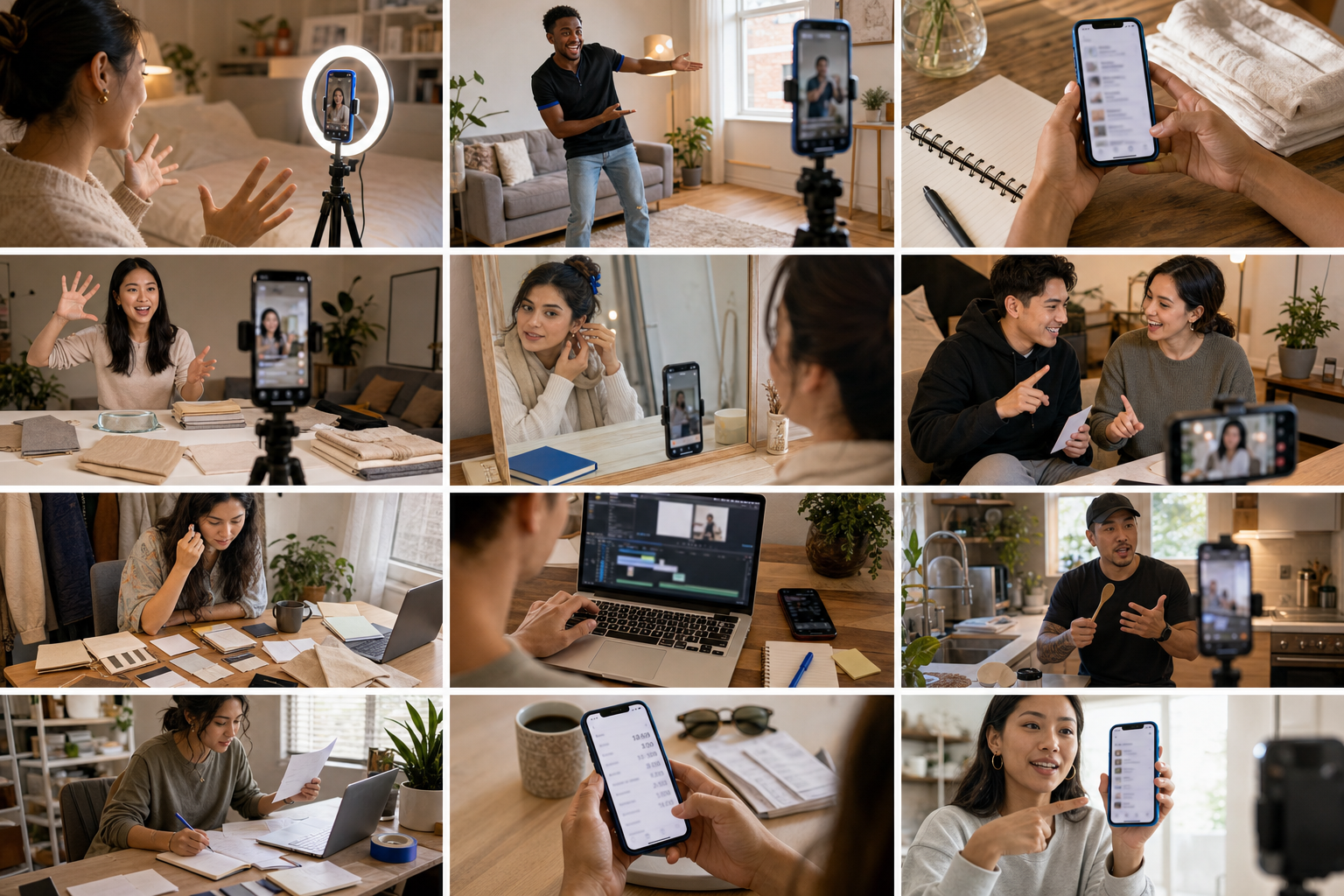
Creator partnerships now influence discovery, trust, and sales across TikTok Shop, Instagram, YouTube, and affiliate channels. The most useful influencer marketing trends are not just content formats or viral tactics. They show how audiences respond, which creator relationships produce commercial action, and how marketers can connect attention to revenue.
For your brand, the priority is practical: identify the right creators, match content to the product category, track attributable activity, and improve campaigns through evidence rather than vanity metrics. This guide explains the strategic shifts shaping creator programs and the benefits they can deliver when managed with disciplined measurement.
What is influencer marketing trends?
Influencer marketing trends are the changing behaviors, formats, creator tiers, compensation models, and measurement practices that shape partnerships between brands and online creators. They include the movement toward short-form video, affiliate commissions, creator-led product demonstrations, smaller niche communities, artificial intelligence for creator discovery, and more rigorous sales attribution.
The strongest influencer marketing trends connect audience relevance with a measurable business action. A creator may introduce a product through a tutorial, livestream, review, unboxing, or comparison. The content then directs viewers to a product page, TikTok Shop listing, discount code, affiliate link, or email signup. Performance depends on audience fit, offer clarity, content quality, posting consistency, and the creator’s ability to explain why the product belongs in a buyer’s routine.
Current influencer marketing news also points toward stronger commercial accountability. Impact.com reported that social media influencers nearly doubled their share of total orders year over year during Cyber Week 2025, while influencer-driven spend rose 51% and commission costs stayed flat. Read the Impact.com performance analysis for the reported campaign context. These figures do not mean every creator campaign will perform well. They show why affiliate tracking, creator-level reporting, conversion windows, and product-level analysis deserve a place in campaign planning.
Benefits of influencer marketing trends

The clearest benefit is more relevant product discovery. Creators often communicate through personal routines, demonstrations, and use cases that paid ads cannot reproduce with the same credibility. A skincare creator can show application technique, a fitness creator can explain product timing, and a home organization creator can demonstrate a visible before-and-after process. This context helps viewers assess usefulness before they click.
Smaller creators can also provide focused access to niche audiences. Printful cites average engagement rates of 2.53% for nano-influencers and 0.92% for mega-influencers across social platforms, though marketers should verify the source date, platform mix, and calculation method before using the figures in a forecast. Engagement alone is not a sales guarantee. Audience quality, comment substance, click behavior, product fit, and purchase intent matter more than a high percentage viewed in isolation.
Another benefit is a flexible path from awareness to conversion. A creator can publish organic content, add an affiliate offer, answer questions in comments, and support a livestream or product launch. That sequence gives your team multiple signals: views, watch time, saves, shares, profile visits, clicks, add-to-cart activity, attributed orders, commission expense, and repeat purchase behavior. These signals help separate attractive content from content that contributes to revenue.
The latest influencer marketing trends also support faster testing. Instead of committing a large budget to one celebrity partnership, a team can seed products to carefully selected nano, micro, or mid-tier creators, compare creative angles, and expand the strongest combinations. Test variables should include hook, product claim, video length, call to action, offer structure, posting time, and creator audience. AI can reduce manual research during discovery and outreach, while human review confirms brand safety, audience authenticity, category relevance, and communication quality.
Creator programs still carry meaningful risks. Attribution can be imperfect, engagement may be lukewarm, and a polished video can attract viewers who have no interest in the product category. Oversaturation also makes audience skepticism a real factor. Protect budget by setting baseline metrics before launch, assigning unique tracking links or codes, documenting compensation, and reviewing performance by creator rather than only by campaign total. This operating discipline turns influencer marketing trends into a repeatable growth process instead of a collection of disconnected posts.
How to Choose influencer marketing trends
Choosing the right influencer marketing trends starts with your commercial objective, not the newest content format. Define whether the campaign must generate TikTok Shop orders, qualified traffic, product education, new customer acquisition, or reusable creative assets. Each goal requires different creator criteria and reporting. A sales campaign needs affiliate tracking, product links, commission rules, and conversion reporting. An awareness campaign may prioritize reach, view quality, audience composition, and recall. Write the objective, target customer, product margin, offer, timeline, and success threshold before creator discovery begins.
Next, assess creators by audience fit rather than follower count. Review recent posts, comment quality, geographic distribution, age range, purchase behavior, posting consistency, and the creator’s relationship with the category. A smaller account can be the stronger choice if its audience actively discusses the problem your product solves. Check for unusual follower spikes, generic comments, recycled engagement, undisclosed sponsorships, and repeated promotions that may reduce trust. For TikTok Shop, confirm that the creator can demonstrate the product naturally, explain key benefits accurately, and respond to buyer questions during comments or live selling. Tools for AI-powered creator discovery can help teams narrow the initial search while preserving human review.
Selection rule: Choose creators who can make the product understandable in the first few seconds, credible within the full video, and easy to purchase through a tracked path.
Use a tiered test instead of placing the full budget behind one personality. Nano and micro creators can offer focused communities and multiple creative perspectives. Mid-tier creators may provide greater distribution while keeping the partnership manageable. Celebrity reach can support a major launch, but broad visibility does not prove purchase intent. Set a test budget, product-seeding policy, flat-fee terms, commission rate, usage rights, content deadlines, cancellation conditions, and disclosure requirements. Make sure your agreement states whether the brand may run creator content as paid media, edit the asset, or use it on product pages and email.
Measurement should be designed before outreach. Give each creator a unique affiliate link, promo code, or TikTok Shop tracking path, then record impressions, average watch time, completion rate, saves, shares, profile visits, product clicks, add-to-cart events, orders, revenue, refunds, commission expense, and customer acquisition cost. Do not judge a partnership from engagement alone. A low-view video may produce valuable sales, while a highly viewed post may attract people outside the buying audience. Compare performance by creator, product, hook, offer, content type, and traffic source. Allow enough time for delayed purchases, while keeping a consistent attribution window across the test. A centralized creator campaign dashboard can make these comparisons easier to manage.
AI can accelerate creator discovery, audience screening, outreach personalization, brief creation, and performance analysis. Keep human approval in the workflow for brand safety, factual claims, audience authenticity, and product suitability. Reacher’s AI-powered process helps teams reduce manual research and identify patterns across creator activity, while campaign managers retain control over selection and optimization. Treat current influencer marketing trends as testing inputs, not automatic instructions. The best choice is the approach that produces attributable revenue at an acceptable margin and gives your team clear evidence for the next campaign.
Frequently Asked Questions
What are the biggest influencer trends in 2026?
The leading shifts include creator-led commerce, affiliate compensation, short-form product education, livestream selling, niche communities, and AI-assisted creator discovery. Brands are also placing more attention on creator-level attribution, usage rights, audience quality, and repeatable content systems. Impact.com reported that influencers nearly doubled their share of total orders year over year during Cyber Week 2025, while influencer-driven spending increased 51% and commission costs remained flat. Review the Impact.com performance analysis for the reporting context.
How has influencer marketing changed since 2023?
Programs have moved beyond one-time sponsored posts toward ongoing creator relationships, affiliate links, product seeding, live commerce, and reusable video assets. Measurement has also become more demanding. Marketers now need to connect reach and engagement with clicks, add-to-cart activity, attributed orders, refunds, commission expense, and customer acquisition cost. The shift does not make every campaign profitable. It gives teams a clearer process for identifying effective creators and removing weak partnerships.
Is influencer marketing still growing despite oversaturation?
Yes, growth continues, but budget expansion does not guarantee strong performance. Audiences may ignore repetitive promotions, and a visually polished post can attract viewers outside the product category. Protect performance with tighter audience screening, clear creator briefs, credible demonstrations, unique tracking paths, and ongoing creative testing. Judge the program by profitable customer action, not reach alone. A campaign that produces modest visibility but qualified purchases can be more valuable than a widely viewed post with no attributable sales.
Which creator tier performs best?
No single tier wins in every category. Nano and micro creators often provide stronger audience focus and conversational trust, while mid-tier creators can offer broader distribution. Celebrity partnerships may support awareness, yet follower volume does not establish purchase intent. Select the tier that matches your product, margin, audience, creative needs, and measurement model. Compare creators using audience fit, watch time, comments, clicks, conversion rate, revenue, and net acquisition cost.
Why do nano and micro creators often generate stronger engagement?
They usually serve narrower communities, maintain more direct audience interaction, and create content around specific interests. That relevance can encourage meaningful comments, saves, shares, and product questions. Engagement still requires careful interpretation. Confirm whether the audience matches your buyer, whether interactions show genuine interest, and whether the creator can move viewers toward a tracked purchase.