

Reacher Stephen
Best Influencer Marketing Platforms in 2026: Compare Top Tools for Small Business and Scale
Compare the best influencer marketing platforms for 2026. Discover top tools for micro-influencer discovery, creator CRM, automated outreach, and tracking.

best influencer marketing platforms
Choosing among the best influencer marketing platforms means finding the shortest path from creator discovery to tracked revenue. Marketplaces find talent; CRMs manage outreach and follow-up; enterprise suites add reporting and payment workflows but may bring higher costs, longer setup, and unused features.
Key Takeaways
- Your platform choice should match your business stage, because paying for enterprise features you never touch drains budget that could fuel more campaigns.
- Marketplaces work best for small teams that need to find and vet creators quickly without committing to heavy setup costs.
- CRM-style tools turn scattered creator conversations into an organized pipeline, so no promising partnership slips through the cracks.
- The real measure of any tool is how quickly it moves you from signing a creator to tracking actual sales, not how long its feature list runs.
- Before you commit, identify your biggest workflow bottleneck and pick the platform category that solves that specific problem first.
This comparison focuses on practical conversion capability in 2026. TikTok Shop makes creator partnerships more measurable through affiliate commissions, product links, promo codes, and order data. The right platform should help teams find credible creators, coordinate influencer collaboration with brands, manage agreements, and connect content to sales. The aim is a workable system that reduces manual effort and shows profitable creator activity.
Introduction: Navigating the Influencer Marketing Platform Environment
The market includes self-serve creator marketplaces, automated outreach CRMs, affiliate management systems, and enterprise suites. Marketplaces support discovery and applications; CRMs manage relationship history, email sequences, statuses, and repeat partnerships; commerce-focused platforms add product seeding, commission rules, content monitoring, and order attribution.
For small businesses, thousands of filters do not help if a tool cannot show audience quality, manage deliverables, or connect a TikTok Shop post with a transaction. Sprout Social reports that more than 40% of campaign time can be lost to briefs, spreadsheets, and direct-message follow-up. Software earns its place by removing that friction without forcing an oversized contract.
How We Evaluated the Best Influencer Marketing Platforms
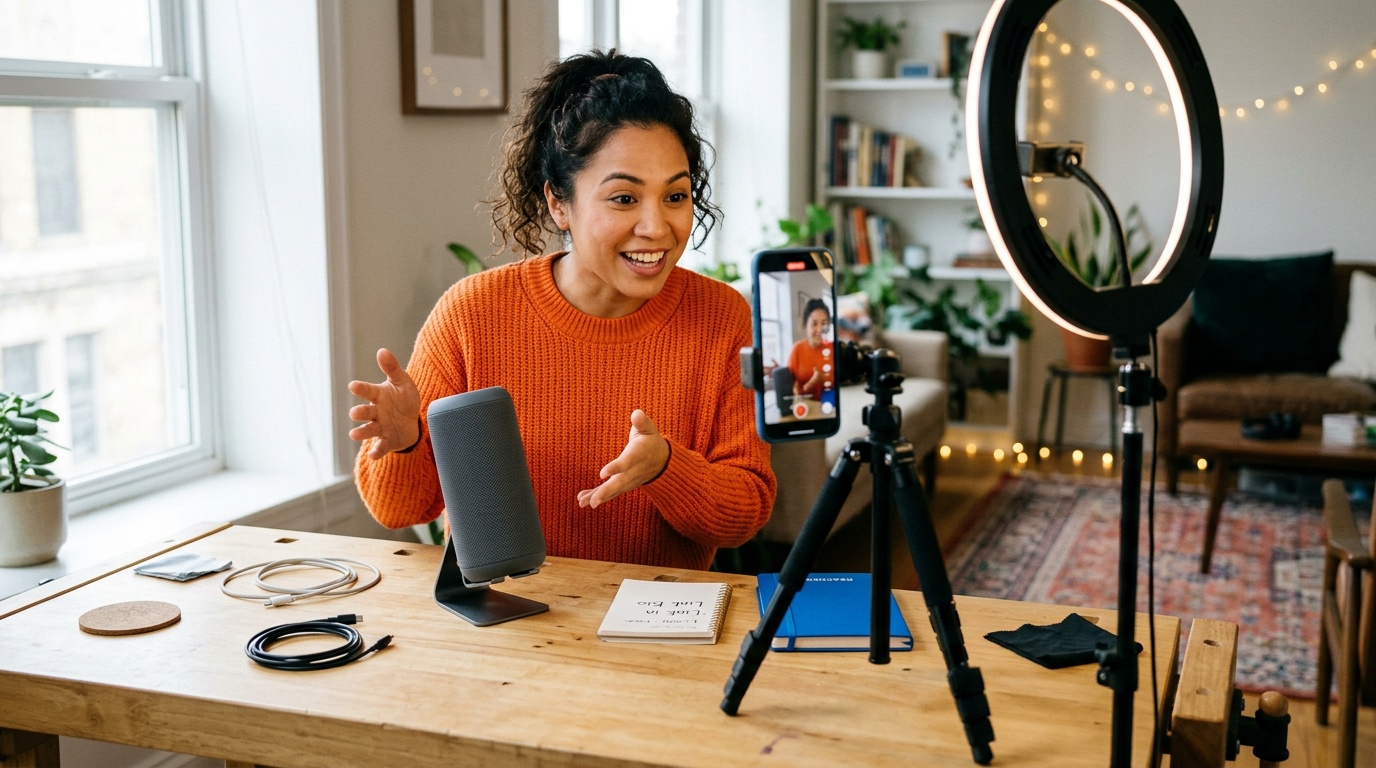
We assessed tools by whether they improve creator decisions, accelerate campaigns, and connect activity with commercial outcomes. Factors included audience demographics, engagement quality, responsiveness, content rights, product fit, payout administration, and attribution. Not follower count alone.
Key Evaluation Criteria: Beyond Vanity Metrics
Follower totals and impressions provide context, not purchase proof. We favored authenticity checks, recent engagement, comment quality, niche relevance, and evidence that followers act on recommendations. Shopify-cited research reports engagement rates of 4% to 8% for micro-influencers versus 1% to 2% for macro-influencers. Strong platforms make that difference visible.
Focus on Conversion and Social Commerce
Useful systems support affiliate links, commissions, discount codes, product catalogs, order matching, and campaign-level revenue reporting. TikTok Shop merits special attention because content and checkout can share one commerce ecosystem. Tools that stop at publication leave marketers guessing about assisted conversions, return on ad spend, and payout accuracy.
Micro-Influencer Vetting and Authenticity
Check audience location, age range, content category, engagement consistency, suspicious follower patterns, prior brand work, and product familiarity. According to Shopify, creators are seven times more likely to partner with brands whose products they already buy or consume, making affinity and demonstrated use stronger signals than reach alone.
Automation and Efficiency for Lean Teams
We assessed bulk outreach, personalized templates, follow-up scheduling, brief generation, approvals, inbox management, and status updates. Automation should reduce repetitive labor while preserving messaging and brand control. A central record should hold conversations, deliverables, rates, shipping details, and deadlines.
Scalability for Growing Businesses
A few seeding partnerships may need profiles and payment tracking; larger programs may require permissions, templates, content rights, tax documentation, escrow, commissions, and multi-channel reporting. We favored platforms that add structure as volume grows without imposing enterprise complexity immediately.
Pricing Transparency and Total Cost of Ownership
Include onboarding, implementation, annual commitments, seats, marketplace fees, payment processing, managed services, and data exports in the cost. Upfluence research says escrow and automated compliance tools can reduce cross-border creator payout administration time by up to 80%.
Core Features We Looked For: Database, CRM, Outreach, and Tracking
- Creator database: Search by niche, audience, location, platform, engagement, and commerce relevance.
- CRM: Store contacts, conversation history, rates, contracts, samples, and status.
- Outreach: Send sequences, schedule follow-ups, and monitor responses.
- Campaign management: Assign briefs, deadlines, approvals, rights, and publishing requirements.
- Attribution: Connect links, codes, commissions, orders, content, and revenue.
- Payments and compliance: Support invoices, tax forms, escrow, payout records, and cross-border requirements.
Top Influencer Marketing Platforms for Driving Tangible Growth in 2026
This list ranks practical fit rather than feature volume. Reacher leads for AI-assisted TikTok Shop growth; the others serve broad databases, self-serve marketplaces, enterprise governance, or affiliate-led campaigns.
1. Reacher: The AI-Powered TikTok Shop Growth Engine
Best for: Brands scaling TikTok Shop revenue through creator discovery, affiliate partnerships, and repeatable campaign operations.
Reacher is designed around the path from qualified creators to measurable commerce. AI-powered discovery identifies partners through audience fit, content signals, and product relevance rather than follower totals. Its CRM organizes outreach, stages, responses, briefs, and partnership history.
Competitor insights, creative brief generation, creator communication, and revenue-oriented planning support TikTok Shop growth. This focus suits a best influencer marketing platform for small business candidate that has outgrown spreadsheets but does not need an enterprise suite.
Pros
- AI-assisted creator discovery for TikTok Shop campaigns
- Centralized creator CRM and relationship history
- Competitor insights and creative brief support
- Built around affiliate and commerce outcomes
Cons
- Strongest fit is commerce-focused creator programs rather than every social channel
2. Upfluence: Automated Outreach and Creator CRM
Best for: Brands needing structured search, automated outreach, and relationship management across a broad program.
Upfluence combines creator identification, contact management, campaign coordination, and reporting. It suits recurring campaigns across several networks where collaboration history and team visibility matter. Brands focused mainly on TikTok Shop affiliate sales may need to configure its broader workflow around their commerce process; it is better suited to established, multi-channel operations.
Pros
- Strong CRM orientation for ongoing partnerships
- Automation for outreach and campaign coordination
- Supports broader multi-channel programs
Cons
- Broader functionality may require more setup than a focused TikTok Shop workflow
- Confirm pricing and implementation requirements before committing
3. Collabstr: Self-Serve Marketplace for Micro-Influencer Discovery
Best for: Small brands seeking accessible discovery, direct requests, and niche partnerships without complex rollout.
Collabstr lets brands browse profiles, review services, and initiate collaborations. It suits product sampling, sponsored posts, short-form video, and defined deliverables, while its marketplace model can reveal creator rates. It is less suited to recurring outreach, detailed attribution, and long-term TikTok Shop affiliate recruitment, which may require another operating layer.
Pros
- Accessible self-serve creator marketplace
- Useful for niche campaigns and smaller budgets
- Simple starting point for new creator programs
Cons
- Less suited to complex CRM workflows and large relationship programs
- Separate systems may be needed for deeper revenue attribution
4. CreatorIQ: Enterprise Governance and Reporting
Best for: Large organizations managing creator portfolios, markets, compliance, and centralized reporting.
CreatorIQ supports governance, approvals, reporting, and cross-functional visibility for brands with many users, agencies, markets, and campaign requirements. Its administrative depth can replace scattered spreadsheets and inboxes, but smaller teams may face a steep learning curve, longer implementation, and higher ownership cost. Community feedback has raised speed and buggy-performance concerns, so testing is essential. Reacher offers a more direct focused-commerce route.
Pros
- Enterprise campaign governance
- Centralized reporting and multi-team workflows
- Useful for large portfolios and global operations
Cons
- Steep learning curve for lean teams
- Higher cost and implementation burden
- Reported performance concerns require a careful trial
5. impact.com: Affiliate and Partnership Commerce
Best for: Brands managing creators alongside affiliate, referral, and broader partnership programs.
impact.com treats influencers as one acquisition channel among affiliates, publishers, referrals, and strategic partners. It suits companies focused on commissions, partner onboarding, and conversion activity. It may exceed the needs of a small brand running an initial creator test, so verify TikTok Shop workflows and setup requirements.
Pros
- Strong fit for affiliate and partnership acquisition
- Performance marketing orientation
- Supports partner types beyond social creators
Cons
- May exceed the needs of straightforward creator tests
- Verify TikTok Shop-specific workflows before purchase
Differentiated Insights: Beyond the Standard Platform Features
The Tech Stack Versus the Monolith: Choosing Specialized Tools for Better ROI
Marketplaces solve discovery; CRMs organize conversations, contracts, and stages; commerce tools connect links, codes, catalogs, and orders. A best-of-breed stack can give each job a clear owner. Reacher can handle TikTok Shop discovery, creator relationships, competitor research, and briefs while analytics and payment providers handle broader reporting and tax documentation. Choose integrations by handoffs, data ownership, and time saved.
| Capability | Marketplace | Creator CRM | Commerce-focused stack |
|---|---|---|---|
| Creator discovery | Profile browsing and campaign applications | Search plus saved contact records | Discovery filtered by product and sales relevance |
| Relationship management | Basic transaction history | Sequences, notes, statuses, and follow-ups | CRM activity connected to campaign and affiliate progress |
| Revenue measurement | Often limited to campaign activity | Reporting may require external setup | Links, codes, commissions, orders, and creator attribution |
| Best operating fit | One-off or small creator campaigns | Recurring outreach across several channels | TikTok Shop programs tied to measurable sales |
From Post to Profit: Connecting Creator Content with Social Commerce and GA4
Before outreach, assign affiliate relationships, commission terms, product or campaign links, and promo codes. TikTok Shop shows direct commerce performance; GA4 can show sessions, product views, checkout behavior, and purchases on owned properties. Use consistent names, tagged URLs, creator codes, attribution windows, and a shared campaign ID, then account for returns and cancellations.
- Set the commercial objective: Choose qualified traffic, first orders, repeat purchases, or contribution margin.
- Assign unique identifiers: Create creator IDs, affiliate links, discount codes, and campaign names before publishing.
- Connect the records: Match profiles with briefs, URLs, commissions, shipments, and orders.
- Review quality signals: Compare conversions with location, comments, watch time, clicks, returns, and compliance.
- Reallocate spend: Increase access, commission, or paid amplification for profitable actions, not reach alone.
Making Your Choice: A Framework for Selecting the Right Platform
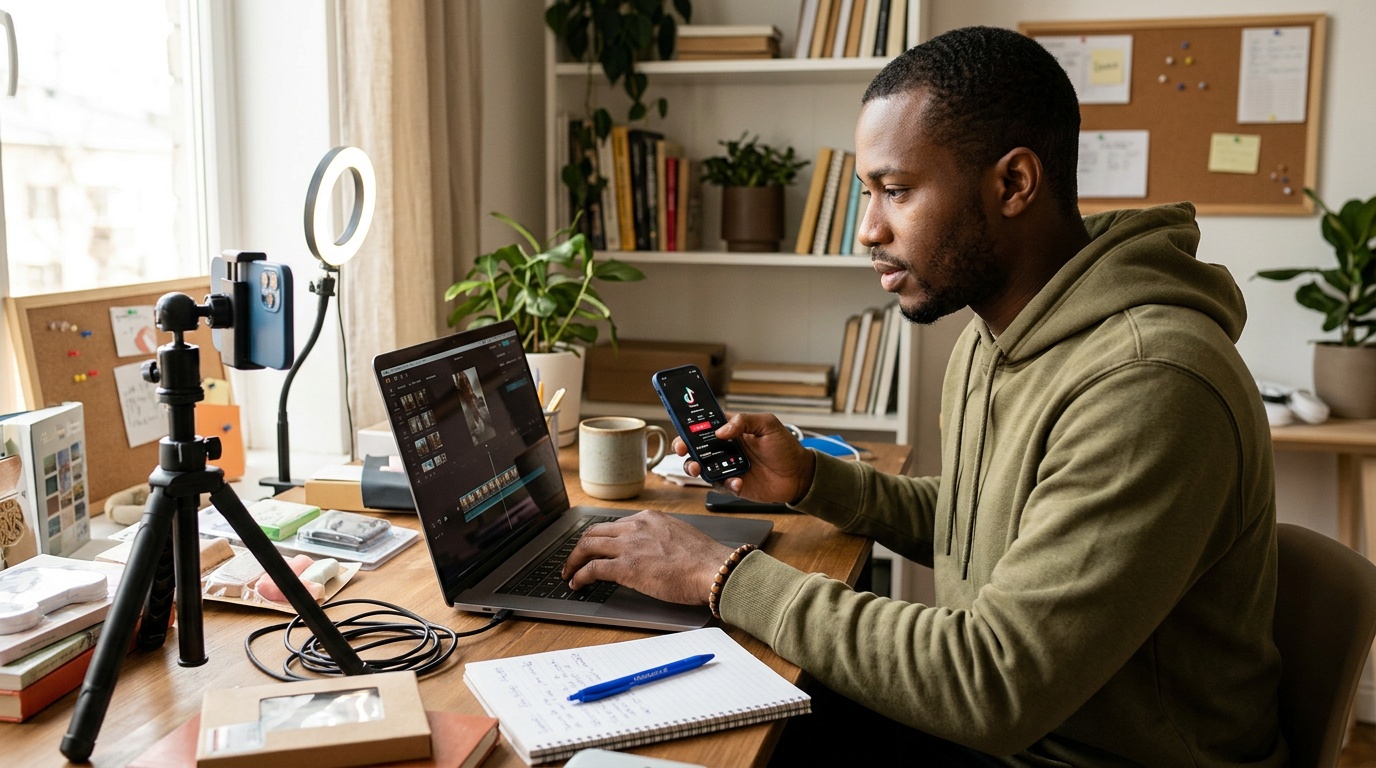
Choose according to the revenue task, team size, and required campaign control. A marketplace may suit occasional seeding; a CRM supports recurring outreach; a commerce-focused system fits TikTok Shop orders, commissions, and creator attribution.
Aligning Platform Capabilities with Your Business Goals
Start with a target such as recruiting 50 qualified TikTok Shop affiliates, increasing repeat partnerships, or reducing administration. Map audience vetting, segmentation, outreach, contracts, seeding, approvals, affiliate management, and reporting to that target. Lean teams need fast setup; larger organizations may need permissions, regional compliance, payment controls, and agency collaboration. Choose the smallest system supporting the next growth stage.
Budgeting for Influencer Marketing Software: Subscription Versus Annual
Include onboarding, seats, marketplace fees, processing, managed services, exports, and integrations. Monthly billing provides flexibility while response and attribution are tested; annual terms may suit proven volume. Check cancellation, data portability, support, and outreach limits.
Questions to Ask Before You Sign Up
Test the workflow. Ask how audience authenticity and inactive followers are assessed, and confirm TikTok Shop recruitment, commissions, links, codes, tax forms, escrow, and international payouts. Request demonstrations of search, outreach, status changes, approvals, and order reporting; ask about refresh speed, integrations, and exports.
The Future of Influencer Marketing: Why AI and Automation Are Non-Negotiable
AI can prioritize partners, identify audience patterns, suggest briefs, summarize relationships, and flag follow-ups. Automation can manage approvals, reminders, commissions, compliance documents, and recurring outreach while preserving human judgment. Reacher combines AI discovery with CRM functions and TikTok Shop-focused revenue workflows, helping teams connect creator activity with business growth.
Frequently Asked Questions
What platform do most influencers use?
TikTok and Instagram are the platforms most commonly used by influencers, with TikTok especially strong for product discovery and social commerce. Brands selling through TikTok Shop can connect creator content with affiliate commissions, product links, promo codes, and order data, making campaign performance easier to measure.
Which platform is best for influencer marketing?
The best influencer marketing platform is the one that connects qualified creator discovery, outreach, campaign management, and revenue tracking. Reacher is a strong choice for brands focused on TikTok Shop because it supports creator and GMV data through an API, affiliate data integration, custom workflows, and repeatable partnership operations.
What is the best platform to find influencers?
The best platform to find influencers is one that filters creators by audience fit, content signals, product relevance, and engagement quality rather than follower count alone. Reacher helps brands identify suitable TikTok Shop creators, organize outreach, automatically reply to inbound messages in a brand voice, and re-engage creators who stopped responding.
Which platform is the best for becoming an influencer?
TikTok is often the best platform for becoming an influencer if your goal is fast content discovery, affiliate sales, and product partnerships. Instagram may suit creators focused on visual portfolios and brand relationships, while TikTok Shop gives eligible creators a direct path to commissions through product links and tracked orders.
How many followers on Instagram do you need to make $1,000 per month?
Instagram creators do not need a fixed follower count to make $1,000 per month, because earnings depend on engagement, niche, audience trust, pricing, and sales activity. A focused micro-influencer with an active audience can reach that target through sponsored posts, affiliate commissions, or product sales before building a large following.
How do influencer marketing platforms track sales?
Influencer marketing platforms track sales through affiliate links, promo codes, product links, commissions, and matched order data. TikTok Shop can provide especially direct measurement because creator content and checkout operate within one commerce system, helping brands compare revenue, payouts, and campaign performance.
What should small businesses look for in an influencer marketing platform?
Small businesses should look for creator quality checks, simple outreach, campaign organization, clear payment records, and sales attribution. A practical platform should reduce spreadsheet and direct-message work without forcing an oversized contract, while still giving the team a clear view of creator activity and revenue.