
Reacher Team
What Does UGC Creator Mean? A Complete Guide for 2026
Learn what a UGC creator does, which skills matter, and how brands use tools like Reacher to manage UGC campaigns.

what does ugc creator mean
The digital marketplace is evolving at an unprecedented pace, and brands are constantly seeking authentic connections with their audiences. User-Generated Content (UGC) has emerged as a powerful strategy, but understanding the individuals behind it is key. If you're looking to tap into this dynamic space, whether as a brand or a creator, grasping the fundamentals is your first step toward tangible growth.
Key Takeaways
- UGC creators are the individuals behind the authentic content that builds trust between brands and their audiences.
- Brands that understand the role of UGC creators can form stronger connections with customers without relying on polished advertising.
- Knowing what a UGC creator does helps both brands and creators identify clear opportunities for collaboration and revenue growth.
- The shift toward user-generated content means brands must prioritize genuine storytelling over scripted marketing messages.
- For creators, positioning yourself as a UGC specialist opens doors to consistent work with brands seeking real engagement.
This guide cuts through the noise to define precisely what a UGC creator is and outlines the actionable steps required to excel in this high-demand role. We'll clarify the distinctions, highlight essential formats, and provide a clear path for aspiring creators to build a successful career.
What Does UGC Creator Mean? The Core Definition
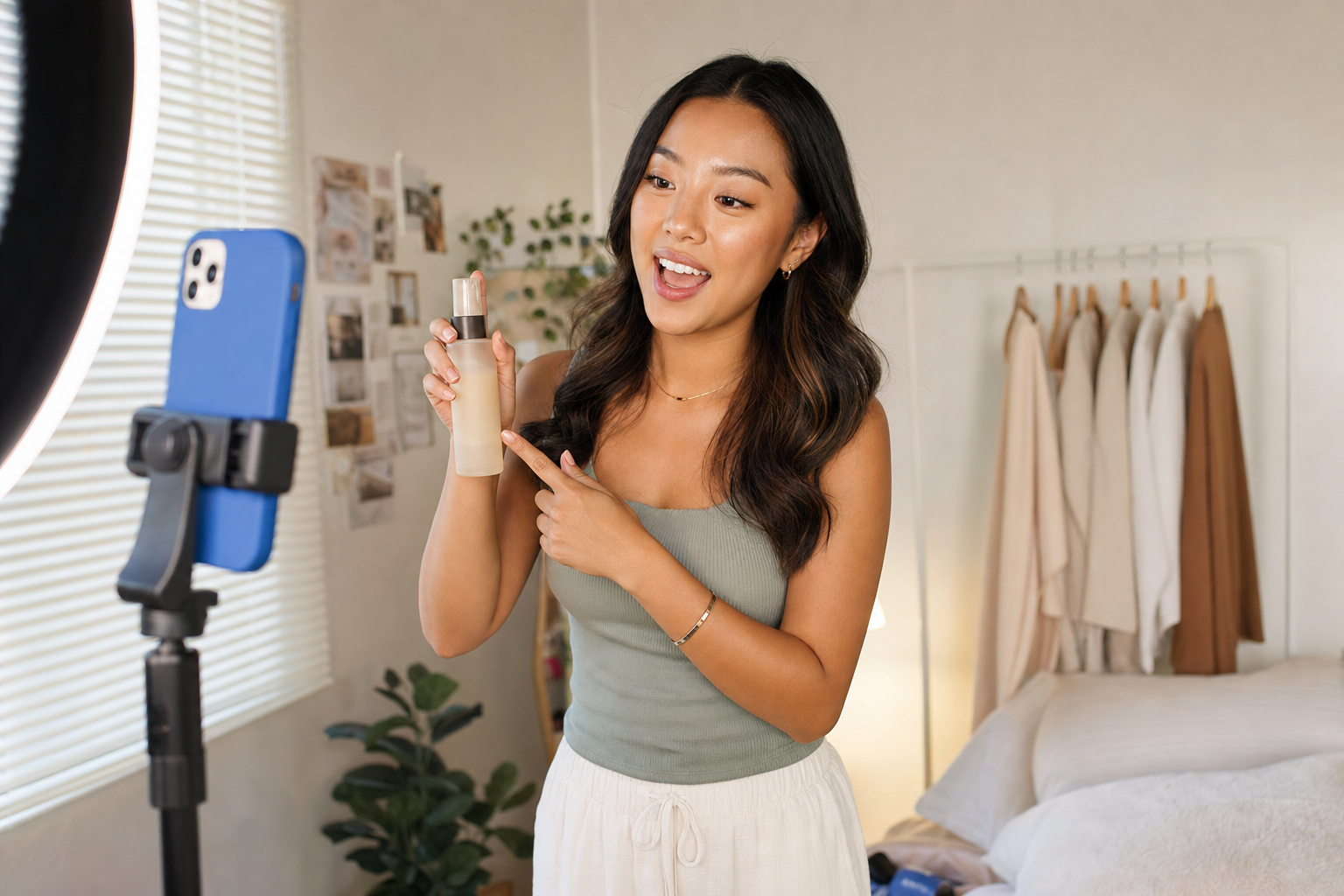
At its heart, a UGC creator is an individual who produces authentic, often unscripted, content featuring a brand's product or service. This content is typically created from the perspective of a consumer, aiming for relatability and trust rather than polished advertising. Performance varies by audience, creative, offer, and placement; use current campaign data to set expectations. A UGC creator's output is designed to feel like a peer review or a genuine recommendation, fitting naturally into social media feeds without the overt sales pitch often associated with traditional advertising.
UGC Creator vs. Influencer: What is the Difference?
The distinction between a UGC creator and a traditional influencer is significant, though the lines can sometimes blur. An influencer typically uses a large, established audience to promote products, often focusing on aspirational content and sponsored posts that are clearly marked as advertisements. Their value is often tied directly to their reach and engagement metrics. In contrast, a UGC creator's primary value proposition is the authenticity and relatability of their content, which brands then use across their own marketing channels, including paid ads. Brands often seek UGC creators for their ability to produce content that feels native to platforms like TikTok or Instagram, driving engagement through genuine product representation rather than personal brand promotion.
| Feature | UGC Creator | Influencer |
|---|---|---|
| Content Style | Authentic, relatable, often unscripted, consumer-focused | Aspirational, polished, often branded, personality-driven |
| Primary Goal | Create authentic content for brand use (ads, social) | Promote products/services to their own audience |
| Audience Size | Less critical; brands often prioritize content quality and alignment | Highly critical; reach and follower count are key metrics |
| Monetization | Paid per video/project, licensing fees for content usage | Sponsored posts, affiliate marketing, brand collaborations |
| Content Usage | Brand repurposes content for ads, website, social media | Content primarily lives on the influencer's own channels |
| Authenticity Focus | High; content mimics organic user posts | Moderate to High; depends on brand partnership and disclosure |
Do You Need Followers to Be a UGC Creator?
A common misconception is that must have a massive social media following to become a UGC creator. This is fundamentally untrue. While influencers often rely on their follower count for brand partnerships, UGC creators are valued for their ability to produce high-quality, authentic content that brands can use in their own marketing. Brands are less concerned with your personal follower count and more interested in your ability to create compelling visuals, engaging narratives, and clear product demonstrations that align with their brand voice and marketing objectives. Many successful UGC creators operate with modest followings, focusing instead on building a strong portfolio that showcases their content creation skills to potential brand partners.
Common UGC Content Formats and Examples
UGC creators excel across a variety of formats, all designed to feel organic and relatable. On platforms like TikTok and Instagram Reels, this often includes short, engaging videos such as product reviews, unboxing experiences, "day in the life" segments featuring a product, styling tips, or quick tutorials. Think of a genuine reaction to a new skincare product, a creative way to use a kitchen gadget, or a testimonial about how a service improved your daily routine. These formats are effective because they bypass the curated perfection of traditional ads and speak directly to potential customers as a peer would. Brands frequently use these authentic clips in their paid advertising campaigns, social media feeds, and website galleries to build trust and drive conversions.
Key Insight: UGC ad performance varies by audience, creative, offer, and placement; compare results using current campaign data.
How To Become a UGC Creator: A Step-by-Step Guide
Transitioning into the role of a UGC creator requires a strategic approach, focusing on skill development, portfolio building, and smart business practices. Forget the contradictory advice often found online; a clear, actionable roadmap is essential for establishing credibility and securing consistent work. This guide provides precisely that, cutting through the confusion to offer a definitive path for aspiring creators aiming for success in the creator economy and on platforms like TikTok Shop.
Step 1: Identify Your Niche and Target Brands
The first foundational step is to pinpoint your niche. This isn't about limiting yourself, but about focusing your efforts. Consider your interests, hobbies, and areas of expertise. Are you passionate about sustainable living, fitness, beauty, home organization, pet care, or tech gadgets? Brands actively seek creators who genuinely align with their product categories. you have a few potential niches, research brands within those spaces. Look for companies that are active on social media, express interest in UGC, and whose products you genuinely use or would like to use. Understanding your niche allows you to tailor your content and pitch more effectively to brands seeking an authentic voice within that specific market.
Step 2: Build a Portfolio Brands Actually Want (Canva vs. Website)
Your portfolio is your primary sales tool. Brands need to see proof of your content creation capabilities. While platforms like Canva can be useful for creating graphics, a dedicated portfolio website or a well-curated social media profile specifically for UGC work is far more impactful. A website offers a professional presentation, allowing you to showcase a range of video styles, editing skills, and successful campaign examples. Include sample content that mimics the types of videos brands typically request, such as product demonstrations, lifestyle shots, or short ad-style clips. Ensure your work demonstrates versatility and an understanding of different platform trends. If a full website feels overwhelming, a dedicated Instagram or TikTok account showcasing your best UGC examples can serve as a strong initial portfolio.
Step 3: Set Your Rates with Transparent Pricing Data
Determining your worth is critical. Many new UGC creators undercharge due to a lack of market information. Creator rates and earnings vary by scope, usage rights, experience, market, and negotiated terms. Brands are increasingly looking for creators who can provide transparent pricing. When discussing compensation, consider factors such as the number of deliverables, the complexity of the content, exclusivity rights, and the intended usage of the content (e.g., organic social, paid ads, website). Providing clear pricing packages helps build trust and professionalism, positioning you as a serious partner rather than just a casual content producer. For brands looking to scale their UGC efforts efficiently, tools like Reacher's AI Creator Search can help identify creators based on performance metrics, streamlining the discovery and negotiation process.
Key Insight: Delivering transparent pricing not signifies professionalism but also helps brands budget effectively, making them more likely to engage creators who clearly articulate their value and project scope.
The Brand Perspective: Scaling UGC for Tangible Growth
Why Brands Are Rapidly Shifting Budgets to UGC
Brands today face a significant challenge: how to connect with consumers amid saturated advertising channels that often feel disingenuous. User-Generated Content (UGC) offers a solution grounded in authenticity, delivering measurable returns that traditional ads struggle to match. Performance varies by audience, creative, offer, and placement; use current campaign data to set expectations.
On platforms like TikTok Shop, UGC content drives greater engagement than polished brand productions. This engagement spike means that brands allocating budgets to UGC creators are not capturing attention but turning it into tangible sales growth. The shift away from glossy influencer campaigns toward relatable content reflects a broader strategic imperative: consumers crave connection over perfection. For brands seeking to scale revenue efficiently, tapping into UGC creators is no longer optional. It is essential.
The Operational Challenge of Managing Creators
While the benefits of UGC are clear, scaling creator collaborations introduces operational complexities. Managing multiple creators across categories, tracking performance metrics, negotiating usage rights, and ensuring consistent content quality require significant resources. Brands often find themselves overwhelmed by the manual effort needed to vet creators, handle communication, and maintain compliance with campaign guidelines.
This operational burden can slow campaign velocity and inflate costs, undermining the strategic advantage of UGC. Without streamlined processes, brands risk inconsistent messaging and missed revenue opportunities. The challenge intensifies as brands expand their UGC programs across platforms like TikTok Shop, where speed and volume of content are critical to maintaining competitive advantage. Efficiently managing creator relationships becomes a bottleneck that demands a smarter solution.
Automating Creator Discovery and Outreach
Addressing these challenges requires automation powered by intelligent data analysis. Reacher’s AI Creator Search is designed to transform how brands identify and connect with UGC creators. By employing natural-language search capabilities and comprehensive filters based on Gross Merchandise Value (GMV), performance metrics, category specialization, audience demographics, and posting frequency, AI Creator Search ranks creators by criteria that matter most to brand goals.
This approach replaces hours of manual research with minutes of precise, data-driven discovery. Brands can focus on creators who consistently deliver high engagement and sales impact rather than relying on follower counts or guesswork. The platform also scores creators on GMV, engagement, and posting rate, providing a transparent, objective basis for partnership decisions.
Beyond discovery, AI Creator Search streamlines outreach and onboarding, enabling brands to launch campaigns faster and at scale. This automation reduces operational friction and ensures that every piece of UGC content aligns with strategic priorities. For TikTok Shop sellers aiming to maximize revenue, integrating AI Creator Search into their workflow delivers both efficiency and measurable growth.
Finding UGC Jobs and Sharing Performance Data
Top Platforms and Marketplaces for UGC Creators
For creators ready to monetize their skills, identifying reliable platforms is essential. Marketplaces like TikTok Creator Marketplace, Instagram’s branded content tools, and specialized platforms focused on UGC offer structured access to brands seeking authentic content. These platforms connect creators with campaigns that fit their niche and style, simplifying the process of finding paid UGC jobs.
But, not all platforms operate equally. TikTok Creator Marketplace excels in matching creators with brand campaigns using performance signals and audience alignment, while Instagram’s branded content tools provide direct collaboration options but often favor creators with established followings. Niche platforms dedicated solely to UGC creators emphasize authentic content production without requiring influencer-level audience size.
Beyond these, freelance marketplaces like Upwork or Fiverr sometimes list UGC creation projects, but they lack built-in performance tracking and brand integration features. For creators serious about long-term growth and strategic positioning, aligning with platforms that emphasize data-driven creator-brand matches is critical.
Why Sharing Performance Data Gives You a Competitive Edge
In a crowded creator market, transparency is a differentiator. Providing brands with detailed performance data. Such as engagement rates, click-throughs, and conversion metrics. From previous campaigns demonstrates professionalism and builds trust. This data acts as social proof of your content’s effectiveness, moving negotiations beyond subjective opinions to objective results.
Brands increasingly demand measurable ROI from UGC partnerships. Creators who proactively share performance analytics position themselves as partners invested in brand success rather than just content producers. This strategy can justify higher rates and foster repeat collaborations. It also helps brands optimize campaigns by identifying which creator content drives the most impact, a important insight for scaling UGC programs efficiently.
Tools like Reacher’s AI Creator Search enable brands to evaluate creators based on precise performance metrics. Gross Merchandise Value (GMV), engagement, and posting frequency. Making transparent data sharing a natural fit for creators aiming to stand out. Aligning your workflow with brands that use such advanced vetting technology ensures your content is valued and your partnerships are strategic.
Pros and Cons of Popular UGC Platforms
Pros
- Direct access to brand campaigns tailored to creator niches
- Built-in tools for campaign management and payment processing
- Performance tracking improves credibility and negotiation power
- Some platforms support creators without large followings
- Competition is high; standing out requires strategy and data sharing
- Some marketplaces favor creators with existing audiences
- Freelance platforms lack integrated performance analytics
- Manual outreach may still be necessary for niche or emerging brands
References
Frequently Asked Questions About UGC Creation
How is UGC creator compensation determined?
Compensation varies by scope, usage rights, experience, market, and negotiated terms. Exclusivity, additional deliverables, and paid-media usage can also affect project pricing.
Is permission required for brands to use UGC?
Yes, brands must obtain explicit permission before using User-Generated Content in their marketing campaigns. This consent typically involves licensing agreements that detail usage rights, duration, and platforms where the content will appear. Proper agreements protect both creators and brands, ensuring legal compliance and clear expectations for compensation and content control.
What skills do UGC creators actually need?
Successful UGC creators combine creativity with technical proficiency. Key skills include storytelling that feels genuine, basic video production and editing, platform trend awareness, and the ability to highlight products naturally. Strong communication skills are essential for collaborating with brands and understanding campaign goals. Additionally, data literacy. Tracking and presenting performance metrics. Provides a competitive advantage in negotiations.
Frequently Asked Questions
Do UGC creators get paid?
Yes, UGC creators get paid for their work. They are typically compensated per video or project, or through licensing fees when brands use their content in ads or social media. Payment varies based on the creator's skill, the complexity of the content, and the brand's budget.
How many followers do you need to be a UGC creator?
You do not need a large following to be a UGC creator. Brands hire UGC creators for their ability to produce authentic, high-quality content, not for their personal follower count. Many successful UGC creators operate with modest followings by focusing on strong portfolios.
Is UGC a good side hustle?
UGC is an excellent side hustle for anyone with a smartphone and a knack for creating relatable content. It offers flexible work, paid projects, and the chance to collaborate with brands without requiring a large audience. Many creators start part-time and scale up as they build a portfolio.
What exactly does a UGC creator do?
A UGC creator produces authentic content, such as product reviews, unboxings, and tutorials, from a consumer's perspective. This content is designed to feel like a genuine recommendation and is used by brands in their own marketing channels to build trust and drive engagement.
How do I become a UGC creator?
To become a UGC creator, start by identifying a niche that aligns with your interests and target brands. Build a portfolio of sample content showcasing your skills, then reach out to brands directly or use platforms that connect creators with brands. Focus on quality and authenticity over follower count.
Who are the top UGC creators?
Top UGC creators are those who consistently produce high-quality, authentic content that performs well in brand campaigns. They are valued for creating native-looking posts whose performance can be evaluated with current campaign data. Specific names vary by niche and platform.