

Reacher Jerry
TikTok Shop Seller Fees: What You Actually Pay
See how TikTok Shop seller fees affect your profit, which costs sit outside the platform fee, and how to calculate contribution margin before you scale.
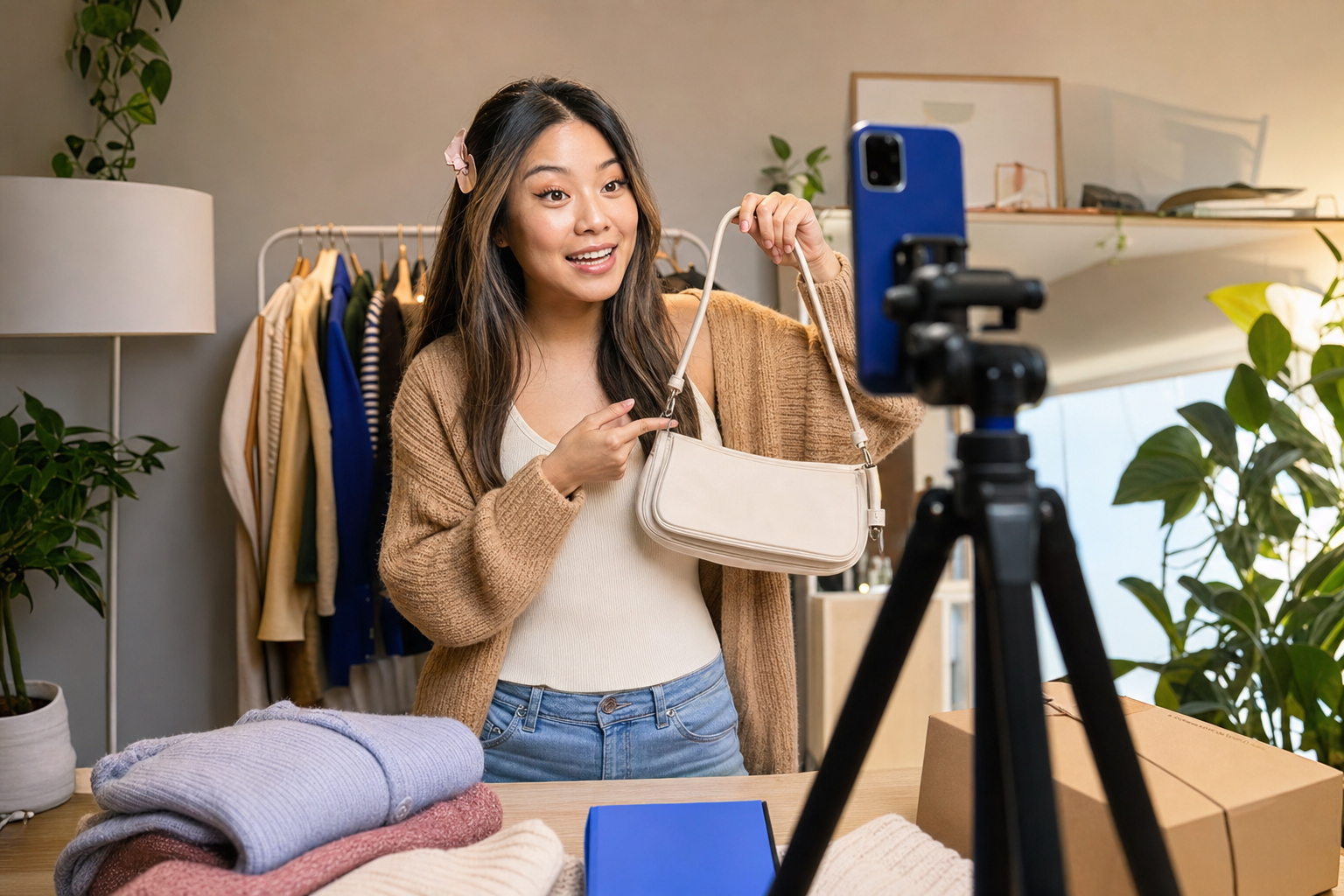
TikTok Shop seller economics
TikTok Shop can make product discovery and checkout feel like one motion. The seller economics are less simple. Your profit is shaped by the marketplace fee shown in Seller Center, plus creator commissions, samples, fulfillment, returns, discounts, advertising, and the cost of the product itself. If you track only the platform deduction, you can mistake revenue growth for profitable growth.
This guide gives you a practical model for TikTok Shop seller fees without hard-coding a rate that may be wrong for your market, category, or promotion. For US sellers, the current TikTok Shop terms state that fees may be amended through a notice in Seller Center. Other markets have their own terms. Use the current schedule inside your Seller Center account as the final source for any live pricing decision.
Key takeaways
- The fee visible on an order is only one part of your cost to serve that order.
- Creator commission should be planned per SKU, not copied across the full catalog.
- Returns, samples, discounts, shipping, and ad spend belong in the same contribution-margin model.
- Reconcile estimates against order-level settlement data every week.
The TikTok Shop cost stack
Start with the deductions TikTok reports for each order. The names and rates can differ by country, seller status, product category, and active incentive. Review the fee detail in Seller Center before setting a price or approving a campaign. Do not assume a rate quoted in an old article applies to your account today.
Marketplace and order deductions
The marketplace deduction is the amount TikTok applies under the current seller fee schedule. Promotional rates may expire, and category rules may change. Record the rate, the base used to calculate it, and the date you checked it. That small audit trail prevents an expired incentive from silently changing your margin.
Creator commission
If an affiliate creator produces a sale, their agreed commission becomes another variable cost. A higher commission can attract more creators, but it does not make every SKU a good affiliate offer. Set a commission ceiling from the margin available after product cost, platform deductions, expected returns, and fulfillment.
Samples and creator operations
Samples are customer-acquisition costs. Include the product cost, pick and pack, postage, and the share of samples that never produce usable content or sales. Track results by creator cohort so you can see whether a generous sample policy is building a repeatable channel or just moving inventory out of the warehouse.
Fulfillment, shipping, and returns
Your model should include warehouse handling, packaging, outbound shipping, any seller-funded shipping offer, return freight, refunds, and inventory write-offs. Policy responsibility can vary by order and market, so use your actual settlement and logistics records instead of a single generic allowance.
Discounts and paid media
Seller-funded coupons reduce realized revenue. Paid media adds acquisition cost. Platform-funded incentives may be treated differently from seller-funded promotions. Keep these lines separate so you know whether a campaign worked because demand improved or because your margin paid for the lift.
A seller margin model you can use
Build the model at SKU level. Use net revenue, not the price printed on the product page.
Contribution margin per order = net customer revenue − product cost − TikTok deductions − creator commission − fulfillment and shipping − expected return cost − sample allocation − ad cost.
Here is an illustrative order. The numbers are examples, not a TikTok fee quote:
- Net customer revenue after seller-funded discount: $45
- Product cost: $12
- Current platform and order deductions from Seller Center: $3.60
- Creator commission: $6.75
- Fulfillment and shipping paid by the seller: $5.50
- Expected returns and refunds allocation: $2.25
- Samples and creator operations allocation: $1.50
- Paid media allocation: $2
The contribution margin is $11.40. That is the amount left to cover payroll, software, overhead, and profit. A revenue dashboard can look healthy while this number is falling, which is why order economics should sit beside GMV in every weekly review.
Model three cases
Run a base case, a strong case, and a downside case. Change conversion rate, return rate, commission, and ad cost. The downside case tells you how much room you have before a campaign becomes loss-making. Use actual results to replace estimates as soon as data arrives.
How to plan creator commissions
Creators need a clear commercial reason to promote a product. Sellers need a ceiling that protects margin. Set that ceiling before outreach begins.
- Calculate contribution margin with no creator commission.
- Reserve the amount needed for overhead and target profit.
- The remainder is the maximum combined budget for commission, samples, and creator operations.
- Test commission bands on a small set of suitable SKUs.
- Compare sales, refunds, content quality, and repeat performance by creator.
A product with high gross margin and strong repeat purchase may support a different offer from a low-margin item with expensive shipping. A flat commission across the catalog hides that difference.
Reacher helps TikTok Shop teams discover creators, manage outreach, and keep campaign work tied to measurable outcomes. That makes it easier to see which relationships deserve more budget and which need a different offer.
How to control TikTok Shop costs
Check settlement data weekly
Compare expected deductions with actual order settlements. Investigate changes by fee type, SKU, campaign, creator, and return reason. A recurring difference usually points to an outdated assumption, a promotion you funded, or an operating cost missing from the model.
Use SKU-level commission rules
Give creators an offer that matches the economics of each product group. Pause products that cannot support the requested commission. Raising the price solely to fund commission can hurt conversion, so test the full offer rather than one variable.
Reduce preventable returns
Accurate product claims, clear sizing, useful demonstrations, and creator briefs that show the product honestly can lower avoidable returns. Track return reasons and feed them back into product pages and creator guidance.
Measure samples as a portfolio
One sample may not convert, but a creator cohort can still be profitable. Review response rate, posting rate, attributable orders, refund rate, and time to first sale. Stop sending samples to segments that repeatedly fail the threshold you set.
Keep rate checks on a calendar
Review Seller Center before a major launch and whenever TikTok announces a policy change. Add a review date to your pricing sheet. This protects you from using a temporary incentive as a permanent assumption.
TikTok Shop seller fee questions
What percentage does TikTok Shop charge sellers?
There is no single rate that is safe to apply to every seller. The current rate can depend on market, category, seller program, and promotion. Check the fee schedule and order details in Seller Center for the account you manage.
Do creator commissions replace TikTok Shop fees?
No. Creator commission is normally an additional campaign cost. Model it alongside the deductions reported by TikTok and your own fulfillment, returns, sample, and advertising costs.
Should I include returns in product pricing?
Include an expected return and refund allowance in your margin model. Use your own SKU-level return history where possible. A blended store average can hide products with weak economics.
How often should I update my fee assumptions?
Recheck before launches, after policy notices, and during weekly settlement reconciliation. Update the model as soon as actual deductions differ from the estimate.
Can higher creator commission still be profitable?
Yes, if the product has enough contribution margin and the creator produces incremental, low-return sales. Test the full order economics rather than judging the commission rate alone.
Last reviewed: August 16, 2026