

Reacher Carmela
TikTok Shop Affiliate Commission: Earn More
Unlock higher TikTok Shop affiliate commission rates. Discover strategies and tips to maximize your earnings. Start your profitable journey today!
tiktok shop affiliate commission
Navigating the TikTok Shop affiliate program as a seller requires a sharp understanding of its commission structures, rates, and the strategic implications for your brand's profitability. This isn't just about setting a percentage; it's about architecting a program that attracts high-caliber creators, drives consistent sales, and aligns with your overall revenue goals. In 2025, mastering the nuances of the TikTok Shop affiliate commission is no longer optional. It's a fundamental driver of success in the social commerce arena.
Key Takeaways
- Your affiliate commission rate is the lever you pull to attract top creators, but setting it too low or too high can sabotage your profit margins and creator interest.
- Treating your commission structure as a fixed number ignores the data behind creator performance; dynamic adjustments based on sales data keep your program competitive and cost-effective.
- A well-designed commission program in 2025 goes beyond a flat percentage, it strategically prioritizes high-performing creators and incentivizes actions that directly boost your revenue.
- Mastering affiliate commission nuances is a competitive edge that separates brands building consistent sales from those stuck with stagnant creator partnerships.
Brands that approach affiliate marketing with a strategic, data-informed mindset gain a significant edge. By understanding how commissions are calculated, what benchmarks are effective, and how different collaboration plans impact your bottom line, you can build a more efficient and profitable creator ecosystem. This guide provides the essential knowledge for sellers to optimize their TikTok Shop affiliate strategy and maximize earnings.
TikTok Shop Affiliate Commission: What Brands Need to Know in 2025
At its core, the TikTok Shop affiliate program enables creators to earn commissions by promoting your products. For sellers, this partnership offers a powerful channel to extend product reach and drive sales through authentic creator content. The program operates on a commission-based model where creators receive a percentage of the sale price for purchases made through their unique affiliate links or storefronts. Understanding this fundamental mechanism is the first step in building a successful affiliate strategy. Sellers set the commission rates, which can vary significantly, directly influencing the types of creators attracted to your brand and the overall profitability of your campaigns.
How the Affiliate Program Works for Sellers
As a seller, you define the commission structure for your products within the TikTok Shop platform. Creators then apply to join your affiliate program or participate in broader collaboration plans. Once accepted, they can begin promoting your items. When a customer clicks a creator's affiliate link and completes a purchase, TikTok tracks the sale and automatically assigns the agreed-upon commission to the creator. Sellers are then responsible for these payouts, which are typically facilitated through the platform. TikTok requires creators to meet certain criteria, including a minimum follower count, to access the full marketplace, with requirements sometimes fluctuating. As of 2025, many regions suggest creators need at least 1,000 followers, though this can extend up to 5,000 for full marketplace access, according to TikTok Shop's official guidelines.
The Three Collaboration Plans: Open, Targeted, and Shop Ads
TikTok Shop offers distinct collaboration plans designed to cater to different seller needs and creator engagement strategies. The Open Plan is the most accessible, allowing any eligible creator to join and promote your products with a standard commission rate you set. This plan is ideal for broad reach and discovering new creator partners. The Targeted Plan allows sellers to invite specific creators they wish to work with, often offering higher commission rates to incentivize these selected partners, fostering deeper relationships and more tailored content. Finally, Shop Ads enable sellers to boost creator content directly through paid advertising, expanding reach beyond organic efforts and driving more traffic to affiliate links.
Why Understanding Commission Structure Matters for Your Bottom Line
The commission structure you implement directly impacts your profitability and the quality of creators you attract. Setting rates too low might deter talented creators, while rates too high can erode your margins, especially when factoring in other platform fees and potential returns. A well-defined structure, considering factors like product category and the collaboration plan used, ensures you're offering competitive incentives without sacrificing profit. For instance, offering a higher commission through a Targeted Plan can secure dedicated promotion from influencers who align perfectly with your brand. Understanding the true cost, beyond the nominal rate, is essential for sustainable growth. This knowledge is fundamental to setting rates that are both attractive to creators and financially sound for your business.
TikTok Shop Affiliate Commission Rates: Benchmarks and Category Averages
Determining the right commission rate is a critical strategic decision for any brand on TikTok Shop. Offering competitive rates is essential to attract high-performing creators, but overpaying can significantly impact your profit margins. Industry data and platform insights provide a clear picture of current benchmarks, helping you set rates that are both attractive and sustainable. These figures are not static and can vary based on product category, market trends, and the specific collaboration plan you utilize. By understanding these averages, you can position your brand effectively within the creator economy.
Current Standard Commission Rates in the US (2025)
In the United States, the standard commission rates set by sellers on TikTok Shop typically range from 1% to as high as 80%, though the effective average hovers around 13% of the sale price. This wide range reflects the diverse product types and seller strategies present on the platform. For many brands, particularly those selling general merchandise, a commission between 5% and 15% is common. However, higher rates are often reserved for specific promotions, new product launches, or when working with creators through more exclusive plans.
Commission Ranges by Product Category
Product categories significantly influence commission rate expectations. Higher-ticket items or those with lower profit margins might command lower rates, whereas categories with higher profit potential, such as beauty, fashion, or certain electronics, can support higher commissions. For example, a small accessory might have a 15-20% commission, while a piece of apparel could range from 10-18%. Niche products or those requiring extensive demonstration might also justify higher commission tiers to incentivize creators to invest more effort in content creation. Understanding these category-specific norms is key to setting competitive rates.
Open Versus Targeted Plan Rate Differences
The choice between the Open Plan and the Targeted Plan directly affects commission rates. The Open Plan, designed for broad creator participation, typically sees commission rates ranging from 10% to 15%. This makes it accessible for a wide array of creators. In contrast, the Targeted Plan allows sellers to invite specific creators and often offers higher commission percentages, commonly found between 18% and 25%, sometimes even exceeding 30% for premium partnerships. This higher rate compensates creators for their dedicated promotion and brand alignment, making it a powerful tool for securing exclusive content from influencers who can significantly impact sales.
How TikTok LIVE and Shop Ads Impact Commissions
Promotional activities like TikTok LIVE sessions and Shop Ads can influence commission structures. During a LIVE event, creators often receive a higher commission rate or special bonuses to encourage real-time sales and engagement. Similarly, Shop Ads, which allow brands to boost creator content, can indirectly affect perceived commission value by increasing visibility and conversion rates for promoted products. While Shop Ads are a separate advertising cost, they can amplify the effectiveness of the affiliate commission you offer, driving more sales for creators and thus higher payouts for them, which ultimately benefits your sales volume. The platform fee, around 6% in the US, is also a factor to consider alongside base commission rates.
| Collaboration Plan | Typical Commission Range (Seller Set) | Creator Follower Requirement (Guideline) | Seller Objective |
|---|---|---|---|
| Open Plan | 5% - 15% | 1K+ Followers | Broad Reach, Discover New Creators |
| Targeted Plan | 15% - 30%+ | Varies (Often higher engagement required) | Exclusive Partnerships, High-Quality Content |
| Shop Ads (Boosted Content) | Standard Rate + Ad Spend | Varies | Amplified Reach, Accelerated Sales |
The Hidden Math of Affiliate Commissions: Nominal Rate vs. Effective Cost
When setting your TikTok Shop affiliate commission rates, it's easy to focus solely on the advertised percentage. However, the nominal rate rarely reflects the true cost to your business. A variety of platform fees, operational expenses, and post-sale adjustments can significantly alter your profit margins. Understanding these hidden costs is paramount for sellers aiming to build a sustainable and profitable affiliate program. Without a clear grasp of the effective commission cost, you risk miscalculating your ROI and leaving money on the table, or worse, losing money on sales.
The actual commission paid out is not just the base rate agreed upon with a creator. It's a complex calculation influenced by several factors that chip away at your revenue before the creator receives their payout. This nuanced understanding allows you to set realistic profit expectations and strategically manage your affiliate budget. By dissecting these components, you can move beyond surface-level percentages and gain a true insight into the financial mechanics of your TikTok Shop affiliate endeavors.
Breaking Down the Real Commission Calculation: Revenue Minus Refunds, Discounts, and Subsidies
The starting point for calculating effective commission is your product's sale price. However, this figure is often reduced before the commission percentage is applied. Discounts offered to customers, either through platform promotions or seller-initiated sales, directly lower the revenue base. Furthermore, any subsidies or promotional credits applied to an order also diminish the amount on which commission is calculated. This means a 15% commission on a product sold at a discounted price is calculated on a lower revenue figure, impacting both the creator's earnings and your net profit.
Post-sale adjustments, particularly refunds, introduce another layer of complexity. When a customer returns a product, the commission associated with that sale is typically clawed back from the creator. This process is managed through a system that tracks returns and adjusts subsequent payouts. Sellers must account for these potential returns when budgeting for affiliate payouts, as a high return rate can significantly reduce the overall effectiveness of your creator campaigns and increase the administrative burden of managing commission adjustments.
Refund Administration Fee (RFA) and Clawback Policies Explained
TikTok Shop implements policies to manage returns and their impact on affiliate commissions. The Refund Administration Fee (RFA) is a charge sellers may incur when a customer requests a refund. This fee, which can be up to 5% of the refunded amount, is separate from the commission itself but adds to the overall cost of managing returns. It's a mechanism to cover operational costs associated with processing refunds and chargebacks.
Clawback policies are standard in affiliate programs, and TikTok Shop is no different. If a customer returns a product, the commission earned by the affiliate for that specific sale is recouped from their future earnings. This ensures that creators are only rewarded for successful, non-returned sales. Sellers need to be aware that while commissions are clawed back, they may still incur platform fees or RFAs on the original sale, creating a scenario where the seller might not fully recover their initial outlay.
The 30-Day Commission Protection Period and Its Impact on Payouts
A critical component of the TikTok Shop affiliate commission structure is the 30-day commission protection period. This period dictates that creators will only earn their commission on sales that are not returned or canceled within 30 days of the initial purchase. This timeframe is designed to allow ample opportunity for customers to initiate returns and for the seller to process them, ensuring fairness for both parties. Creators understand that their earnings are contingent on the finality of the sale.
The impact of this 30-day window on payouts is significant. While sales are tracked immediately, the actual commission payout to creators is often deferred until this protection period has passed for all associated orders. This means sellers have a lag time before final commission liabilities are settled, which can be advantageous for cash flow management. However, it also requires careful forecasting, as a large volume of sales made near the end of a payout cycle might be subject to significant clawbacks if returns are processed within the following 30 days.
Real Example: The True Cost of a 15% Commission After Fees
Consider a product selling for $100. You offer an affiliate creator a 15% commission. Nominally, this means the creator earns $15. However, let's factor in the realities. First, TikTok charges a baseline platform fee, approximately 6% in the US, on the total order value. This means $6 goes to TikTok. If the customer later returns the product within 30 days, you'll need to claw back the $15 commission. You might also incur a Refund Administration Fee, say 5% of the $100 refund, which is $5. If the original sale also incurred other platform fees on the full $100, your total cost structure becomes much more complex than the initial 15%.
In this scenario, the effective cost of that $15 commission can balloon. Even if the sale isn't refunded, you've paid the 6% platform fee, leaving $94 revenue. The 15% commission is then calculated on the $100 sale, so $15 goes to the creator. Your net is $94 - $15 = $79. If you factor in the potential $5 RFA on a return, your net could drop significantly lower. Brands must perform these calculations to understand their actual profit per sale when working with affiliates, ensuring that the commission structure remains profitable after all platform fees, potential refunds, and administrative costs are accounted for.
How to Structure Commission Rates to Attract Quality Creators Without Losing Profit
Setting the right commission rate on TikTok Shop is a delicate balance. You need to offer enough incentive to attract talented creators who can drive significant sales, but not so much that your profit margins are obliterated. The key is a strategic approach that considers your product margins, the competitive environment, and the specific goals of your affiliate program. A well-structured commission plan not only boosts creator engagement but also ensures the financial health of your brand.
A thoughtful commission strategy moves beyond a one-size-fits-all approach. By segmenting your offerings, testing different rates, and implementing performance-based incentives, you can optimize your affiliate program for maximum impact. This requires careful planning and ongoing analysis, but the rewards. Higher quality content, increased sales volume, and better ROI. Are substantial. Let's explore how to build a commission structure that works for your brand.
Setting Competitive Rates by Category and Collaboration Plan
Your commission rates should align with industry benchmarks for your specific product category and the collaboration plan you are using. For instance, a brand selling high-margin fashion items might offer a 15-20% commission, while a seller of lower-margin electronics might cap commissions at 5-10%. Researching what competitors offer can provide valuable insights, but always prioritize your own profit margins. The Open Plan, designed for broad reach, typically requires more moderate rates (e.g., 10-15%) to be attractive to a large pool of creators. Conversely, the Targeted Plan, used to secure partnerships with specific, high-impact influencers, can justify higher rates, often 18-25% or more, to ensure dedicated promotion from creators who align perfectly with your brand.
Testing Commission Rates: A Simple A/B Framework for Sellers
The most effective way to find your optimal commission rate is through testing. Implement a simple A/B testing framework to compare performance. For example, you could run two similar campaigns simultaneously: one with a 10% commission rate and another with a 15% commission rate, both targeting comparable creator demographics or product lines. Track key metrics such as conversion rates, total sales generated, creator engagement, and, most importantly, your profit per sale for each test group. This data-driven approach allows you to identify the sweet spot where creator attraction and profitability intersect, moving beyond guesswork.
Using Tiered Commissions to Reward Top Performers
Tiered commission structures are an excellent method for incentivizing creators to drive higher sales volumes. This model rewards creators with increasing commission percentages as they reach specific sales milestones. For example, a creator might earn 10% commission on their first $1,000 in sales, 12% on sales between $1,001 and $3,000, and 15% on sales above $3,000. This gamified approach encourages creators to push for more sales, knowing their efforts will be proportionally rewarded. Such a system not only motivates individual creators but also helps identify and retain your most valuable partners, driving greater overall tiktok shop affiliate commission performance.
Avoiding Common Mistakes: Overpaying for Low-Converting Creators, Underpricing Against Competitors
A frequent pitfall is overpaying for creators who deliver low conversion rates or minimal engagement. This can happen if commission rates are set too high without considering the creator's actual ability to drive sales, leading to a poor return on investment. On the flip side, underpricing your commission rates can deter high-quality, established creators who command higher fees, leaving your program accessible only to those with smaller audiences or less proven track records. Brands must also be mindful of platform fees and refund administration costs when setting their final rates, ensuring they are competitive without sacrificing profitability.
To avoid these errors, conduct thorough creator vetting, analyze their past performance metrics, and understand their audience demographics. When setting rates, consult industry averages for your niche, but always perform your own profitability calculations. Consider offering a base rate through the Open Plan and higher, performance-based incentives or targeted rates for creators who demonstrate a strong alignment with your brand and a history of driving sales. For brands looking to manage these complexities efficiently, the Reacher Affiliate Program offers AI-powered tools to identify high-performing creators, track their performance accurately, and manage commission payouts, simplifying the entire process and ensuring you're always working with the most effective partners.
Key Insight
The true cost of a TikTok Shop affiliate commission is not the advertised rate. Factor in platform fees, potential refunds, and administrative costs to calculate your effective commission cost and ensure sustainable profitability for your brand.
Automating Affiliate Management to Scale Your TikTok Shop Revenue
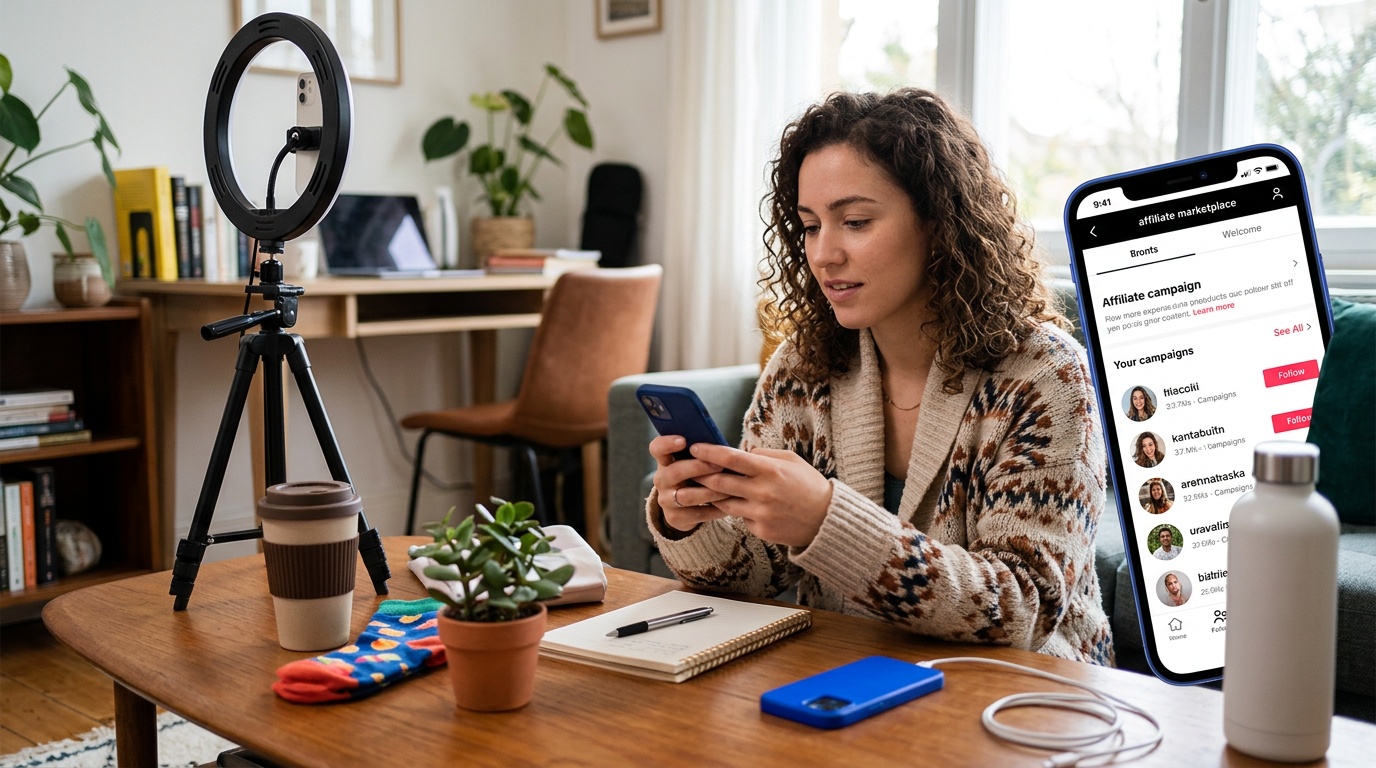
Managing an affiliate program manually on TikTok Shop becomes unfeasible as your brand grows. The volume of creators, commission tracking, and campaign optimization demands increase exponentially, creating bottlenecks that hinder expansion and responsiveness. Manual processes consume valuable time and resources, often leading to errors in payouts or missed opportunities to engage top-performing creators. To scale efficiently, sellers need automation that handles the complexity of affiliate management while providing real-time insights. The tedious task of vetting creators, tracking sales, and reconciling commissions cannot keep pace with the rapid evolution of social commerce without intelligent systems.
How AI-Powered Tools Like Reacher Streamline Commission Tracking, Creator Discovery, and Campaign Performance Monitoring
The Reacher Affiliate Program employs AI to automate the entire affiliate lifecycle, transforming how sellers manage their TikTok Shop affiliate commission programs. Its AI-driven creator discovery engine identifies influencers whose audiences align precisely with your brand’s target market, eliminating hours of manual searching and guesswork. Real-time commission tracking ensures accurate payout calculations that account for refunds, clawbacks, and platform fees, reducing costly errors. Campaign performance monitoring surfaces actionable insights on which creators deliver the best ROI, enabling sellers to optimize commission structures dynamically and focus budgets on high-impact partnerships.
This automation does more than reduce workload. It elevates decision-making with data-backed clarity. By integrating sales metrics, engagement rates, and creator relevance, the Reacher Affiliate Program simplifies complex affiliate management into actionable dashboards and alerts. This empowers sellers to act swiftly on trends, adjust commission rates, and forecast expenses with precision, all while maintaining compliance with TikTok Shop policies.
From Commission Setup to Payout Reconciliation: Automating the Full Affiliate Lifecycle
The affiliate process on TikTok Shop involves multiple stages, each with potential pitfalls if handled manually. Setting commission rates aligned with category benchmarks and collaboration plans can be tedious, especially when testing different structures to maximize profitability. With automation, these configurations can be handled programmatically, allowing sellers to run A/B tests and implement tiered commissions without manual spreadsheet management. Tracking sales conversions, adjusting for refunds during the 30-day protection period, and applying Refund Administration Fees become streamlined functions within the platform.
On the payout side, reconciling payments with creator earnings is often a source of delays and disputes. The Reacher Affiliate Program automates this by syncing commission data directly with payment systems, ensuring creators receive accurate compensation on time. This reduces administrative overhead and builds trust with creators, encouraging sustained collaboration. Automation also enables bulk processing of payouts and generates detailed reports for accounting and auditing, making affiliate management a scalable, transparent process.
Future-Proofing Your Program with AI-Driven Creator Matching and Hybrid Compensation Models
Looking ahead, automation platforms like Reacher position brands to adapt to evolving TikTok Shop policies and creator behaviors. AI-driven creator matching continuously refines partner selection based on performance metrics and audience shifts, ensuring your affiliate program stays competitive. The ability to implement hybrid compensation models. Combining base commissions with bonuses tied to specific KPIs. Allows sellers to reward creators more strategically, driving higher engagement and sales without inflating fixed costs.
As TikTok Shop’s ecosystem matures, relying on manual management will put brands at a disadvantage. Automation ensures your affiliate strategy can scale alongside your business, maintaining profitability while increasing reach and efficiency. The Reacher Affiliate Program embodies this future-ready approach, providing sellers the tools to maximize their TikTok Shop affiliate commission outcomes with precision, speed, and confidence.
Pros and Cons of Automating Affiliate Management
Pros
- Significantly reduces manual workload and administrative errors
- Enables real-time tracking of commissions, refunds, and payouts
- Improves creator discovery through AI-driven matching
- Supports A/B testing and tiered commission strategies effortlessly
- Enhances financial forecasting and profitability analysis
- Builds stronger partnerships with timely, accurate payouts
Cons
- Initial setup and learning curve for automation tools
- Dependence on technology requires reliable system maintenance
- Potential for data integration challenges with existing platforms
References
Frequently Asked Questions
What is the typical TikTok Shop affiliate commission rate?
TikTok Shop affiliate commission rates typically range from 1% to 80% of the sale price, with an effective average around 13% in the US as of 2025. The rate you set depends on your product category, profit margins, and the collaboration plan you choose. Most general merchandise sellers use commissions between 5% and 15%.
Do you need 1000 followers to be a TikTok Shop affiliate?
Yes, creators generally need at least 1,000 followers to access the TikTok Shop affiliate marketplace, though requirements can go up to 5,000 followers for full access in some regions. As a seller, you set your own commission rates and can invite creators with any follower count through a Targeted Plan, but the platform encourages a minimum threshold.
Is a TikTok Shop affiliate program worth it for sellers?
A TikTok Shop affiliate program is worth it for sellers when you set competitive commission rates that attract high-quality creators while protecting your profit margins. The program extends your product reach through authentic creator content without upfront ad spend. Using tools like creator scoring by GMV and engagement helps you select the right partners for better returns.
How much can a creator earn from 500,000 views on TikTok Shop?
Earnings from 500,000 views on TikTok Shop depend entirely on the commission rate you set as a seller and the conversion rate of the creator’s content. At a 13% average commission on a $20 product with a 2% conversion rate, that many views could generate around $2,600 in commissions. Factors like product price and buyer intent make actual earnings vary widely.
What are the three collaboration plans for TikTok Shop affiliate commissions?
The three collaboration plans for TikTok Shop affiliate commissions are Open Plan, Targeted Plan, and Shop Ads. The Open Plan lets any eligible creator join with a standard commission rate you set, good for broad reach. The Targeted Plan lets you invite specific creators with higher rates for deeper partnerships. Shop Ads let you boost creator content with paid promotion to drive more sales.
How does TikTok Shop affiliate commission impact a seller’s profit margins?
TikTok Shop affiliate commission directly impacts your profit margins because the rate you pay creators reduces your per-sale profit. Setting rates too low may discourage top creators, while rates too high erode margins when combined with platform fees and returns. Use category benchmarks and competitor creator discovery to find a rate that balances attraction and profitability.
What product categories have higher TikTok Shop affiliate commission rates?
Product categories with higher profit margins like beauty, fashion, and certain electronics support higher TikTok Shop affiliate commission rates. These categories often see rates above 15%, while lower-margin items like groceries or electronics with tight margins stay below 10%. Matching your rate to your category’s average helps you attract creators who understand your market.