
Reacher Stephen
TikTok Sample Management: How to Run a Sample Queue That Doesn't Double-Shipping the Same Creator
Stop accidentally sending the same creator three free samples. A practical TikTok sample management playbook for queue, dedup, budget caps, and sample ROI.

tiktok sample management
Duplicate shipments often start with an identity error: one teammate records “Jess M,” another records “@jessmakes,” and both approve a sample for the same creator. Effective tiktok sample management treats identity, eligibility, inventory, and follow-through as one operating process, not disconnected approvals.
Key Takeaways
- A single canonical creator record prevents duplicate shipments, so assign each creator one profile with their handle and shipping details linked together.
- Set weekly sample caps and route every request through one shared queue so two teammates never approve the same creator independently.
- Check eligibility before approval by confirming the creator's posting status, prior sample history, and current standing in your CRM.
- Treat samples as part of a full lifecycle: track the shipment, monitor whether the creator posts, and re-engage those who go quiet.
- Review your sample funnel metrics regularly to spot repeat senders, wasted inventory, and creators who never deliver content.
Set rules before requests build up: match creators by TikTok handle, assign ownership, and decide how each sample type moves from request to shipment. That structure helps control sample costs and connect creator activity to business outcomes.
TikTok Sample Management Is an Operating System, Not a Feature
TikTok sample management covers sample terms, request review, duplicate prevention, fulfillment tracking, and evaluation of creator activity after delivery. One team member should own the workflow, while marketing, operations, and inventory teams follow shared approval and stock rules.
The Double-Shipping Problem: Why the Same Creator Gets Three Samples
Teams working from separate lists or matching by display name can ship duplicates. A creator may use different names in a spreadsheet, request queue, and shipping record, while the TikTok handle remains consistent. Record and search the handle before approval, then check existing creator and shipment records.
What Samples Are on TikTok Shop and How the Workflow Runs
TikTok Shop samples use either a free-sample or refundable-sample arrangement. The workflow moves from setting collaboration terms through requests or invitations, approval, inventory allocation, shipment, and post-shipment tracking. The sample types have different setup and refund logic, so document terms before the offer goes live.
Who Owns Sample Management on a Brand Team
Name one operational owner to manage the queue and creator records. Marketing defines creator fit and content expectations; operations confirms stock and shipping; finance or ecommerce reviews cost limits. Reacher supports this workflow with a creator CRM, shared sample-request queue, bulk rejection, and weekly caps. Its database holds more than 4 million TikTok Shop creators, making consistent records essential as recruitment scales.
Setting Up Samples: Open Collaboration, Target Collaboration, and Refundable Flows

Choose the sample arrangement before recruiting. Open Collaboration makes an offer available through collaboration setup; Target Collaboration lets a brand invite selected creators. For either path, align the offer, product availability, approval rules, and fulfillment owner. TikTok Shop Seller University documents sample types and workflows; confirm current in-platform settings there before publishing, since interface options can change.
Free Sample Setup for Open Collaborations (Pop-Up and Auto-Add)
- Choose the product and confirm sellable sample inventory.
- Set free-sample terms and review how creators can request or receive the offer, including any pop-up or auto-add option available in the current setup.
- Publish the collaboration, then review requests against creator-fit and stock rules before fulfillment.
Keep offer language and internal approval criteria aligned. A visible offer can generate requests faster than manual invitations, so assign an owner to review activity and keep inventory counts current.
Free Sample Setup for Target Collaborations
- Select intended invitees, checking each TikTok handle against existing records.
- Set the free-sample offer and state content expectations clearly.
- Send invitations, review responses, and record approval and shipment status in the shared workflow.
This route gives the team a creator-selection step before fulfillment. Use it when fit guides selection, and avoid another invitation or package while an earlier request remains open.
Refundable Samples: Setup, Refund Flow, and When to Use Each
A free sample requires no purchase payment from the creator. A refundable sample follows a separate purchase-and-refund arrangement, with eligibility and conditions tied to the platform’s current rules. Explain terms before acceptance, then track the order and any qualifying refund according to TikTok Shop’s documented process.
Sample SKU Separation From Bulk Inventory
Keep sample stock visible as a distinct inventory allocation, even when it comes from the same product. Separating sample quantities from bulk-sale availability shows fulfillment staff what is reserved and reduces approvals against unavailable stock.
Choosing a Sample Flow
Pros
- Open offers can collect creator requests through a published collaboration.
- Target invitations give the team a direct creator-selection step.
- Refundable arrangements define a distinct purchase and refund process.
Cons
- Open offers require active request and inventory oversight.
- Target invitations require accurate creator records and deliberate selection.
- Refund conditions must be communicated and tracked separately from free samples.
Running the Queue: Approve, Reject, and Deduplicate at Scale
A reliable queue turns sample requests into consistent decisions. In tiktok sample management, set a review cadence, assign an owner, and record decisions against the creator’s TikTok handle. Check identity, fit, stock, and budget before approval to prevent one teammate approving while another prepares a second package from a separate list.
How to View, Approve, and Bulk-Reject Sample Requests
Review requests in a shared queue, not isolated spreadsheets or inboxes. Check the creator’s handle, product, status, available inventory, and whether a sample was already approved or shipped. Approve requests meeting documented criteria; reject others, recording a clear reason when the workflow allows it.
Batch decisions by product or review period, then update records before fulfillment. Reacher’s sample-request queue keeps requests in one place, supports bulk rejection, and offers weekly caps. These controls help teams handle volume while tracking inventory and existing approvals.
Deduplicate by Handle, Not Display Name
Display names are not dependable identifiers. “Jess M” on a campaign sheet and “@jessmakes” in the request queue may be the same creator. Match by TikTok handle, normalize its format by removing stray spaces and checking spelling, then search open requests, past approvals, and shipment records before approving another sample.
If two teammates prepare packages, pause the second shipment and reconcile records before fulfillment. Keep one creator record keyed to the handle and update its status as requests progress. This makes duplicates easier to catch across campaigns.
Pre-Approval Qualification Checklist
Use the same checklist for every request so decisions reflect fit and operating limits, not who reviews it. Consider product relevance, content, audience fit, prior relationship status, inventory, and affordable cost. The checklist guides judgment; no single public metric guarantees sales.
- Identity: Is the TikTok handle matched to an existing creator record?
- Fit: Does the creator’s content align with the product and intended audience?
- Status: Is another request, approval, or shipment already open?
- Capacity: Is sample inventory available within the campaign allocation?
- Economics: Does the expected sample cost fit the product’s margin and campaign budget?
- Terms: Are the sample arrangement and any content expectations clear?
Weekly Caps and Per-Creator Sample Limits
Set a weekly approval cap based on stock, fulfillment capacity, and sampling budget. Also check for outstanding requests or previous shipments before approving another unit. There is no universal monthly sample limit per creator; set one according to campaign terms, product economics, and creator status.
Reassess caps as inventory or priorities change, and apply rules consistently. Reacher’s weekly caps support this control, while shared creator records show whether a request is new or in progress.
Native Affiliate Center vs. a Purpose-Built Creator CRM
Native tools support TikTok Shop affiliate activity. A creator CRM adds a shared record for the wider recruitment and sample process. Choose based on whether your team needs platform-level request handling alone or a coordinated view of creator status, messages, samples, and GMV.
| Workflow need | Native Affiliate Center | Reacher creator CRM |
|---|---|---|
| Review platform sample requests | Work with requests within TikTok Shop | Review sample requests in one queue |
| Manage creator relationship records | Use platform-level information | Track creator status, messages, samples, and GMV |
| Control request volume | Follow available platform controls | Use bulk rejection and weekly caps |
| Coordinate team decisions | Keep additional shared records if needed | Use a common creator record across the workflow |
Sample Economics: Turn Every Approval Into a Margin Decision
A sample is an investment in a potential creator relationship, not a guaranteed sale. Before approval, account for product cost, fulfillment, commission, coupons, and applicable TikTok Shop fees. Define useful outcomes, such as creator content, attributed orders, or sales contribution. Consistent cost tracking lets you compare creator tiers and campaigns using the same rules.
The Sample Cost Math: Per-Unit Margin, Commission, Coupons, and Fees
Start with selling price and subtract order costs: product cost, commission, coupon discount, TikTok Shop fee, and applicable GMV Max ad spend. Compare what remains with your per-unit margin target. Record sample product cost and outbound fulfillment separately so sample expense does not disappear inside ordinary inventory costs.
Reacher’s P&L calculator models commission, coupon, TikTok Shop fee, and GMV Max scenarios alongside per-unit margin and break-even ROAS. Enter your economics and assumptions; the model supports planning, not a promise of performance.
Break-Even ROAS and Cost per Posted Sample
Break-even ROAS depends on margin after order-level costs. Define the revenue or contribution needed to cover relevant spend, then compare measured performance with that threshold. Cost per posted sample is separate: divide sample-related costs for a defined group by the number of creators in that group who published qualifying content. Specify included costs and posts before comparing tiers.
Shipment alone does not prove value. A creator who received a product but has not posted differs from one who published content; neither status alone establishes profitable sales. Track sample expense, posting status, orders, and GMV separately.
Sample Funnel Tracking From Request to GMV
Track requests through approval, shipment, creator activity, and attributed GMV. The funnel shows where requests stall without treating every approved sample as a completed outcome. Segment by product, campaign, creator tier, and time period when those fields are available.
Reacher’s dashboard includes a Sample Funnel tab for reviewing sample economics and workflow movement. Use it alongside the P&L calculator: the funnel describes operational progression; the calculator models unit economics and break-even scenarios.
After the Sample Ships: Content Monitoring, Cohort Retention, and Re-Engagement
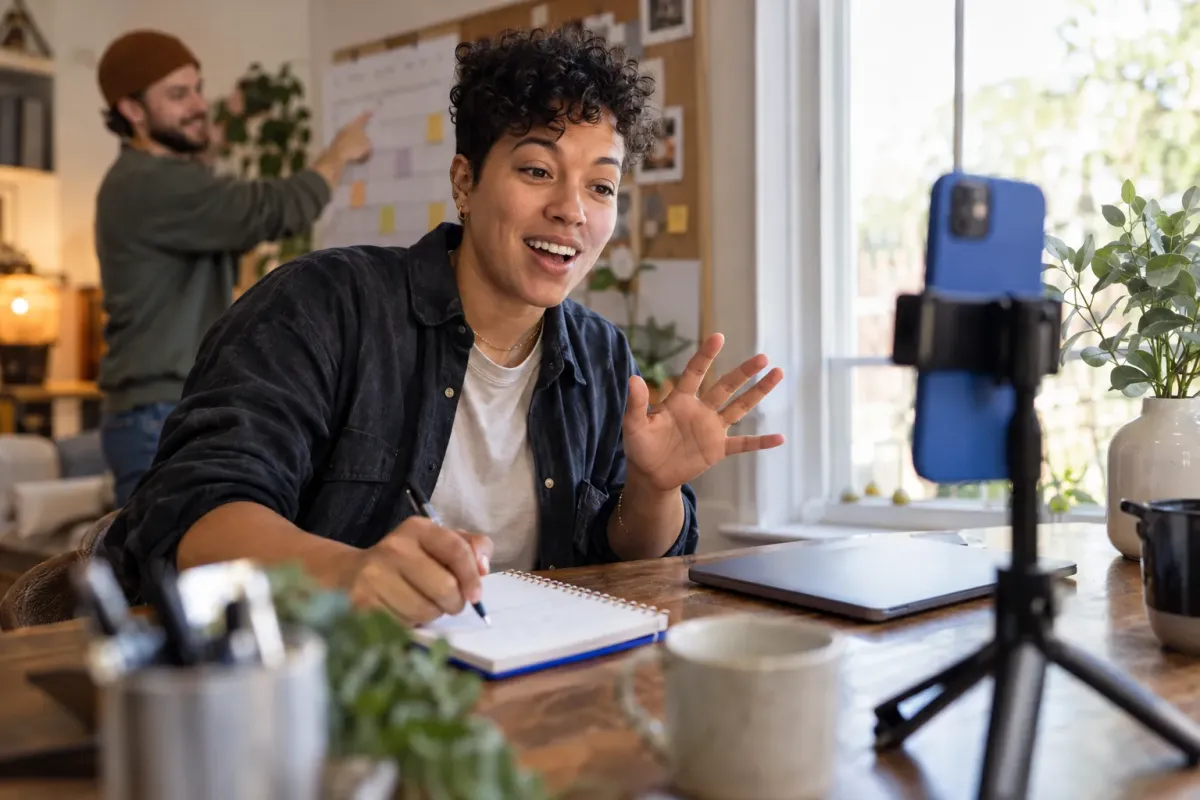
Shipping is a checkpoint, not the finish line. Connect delivery to creator activity, content quality, and sales signals to decide what merits follow-up. Set expectations before fulfillment and keep the creator’s status current, distinguishing a delayed post from an inactive creator without defaulting to another sample.
Enforce Post Criteria and Track Fulfillment per Creator
Before shipping, define the agreed deliverable, stated timing, product details to cover, and how the creator should share the post. Track delivery, post status, and follow-up notes on the creator record. If a package arrives without content, record the status and contact the creator before deciding next steps. Shared records help marketing and fulfillment act on the same information.
- Record the shipment and delivery status against the creator’s TikTok handle.
- Check for published content against the agreed criteria and timing.
- Log the post, relevant performance signals, and any communication.
- Assign a next action: monitor, re-engage, or close the sample relationship.
Measure Content Performance After Samples Ship
Review content quality and commercial outcomes separately. A post can meet the brief without attributed orders, and a sales signal alone does not explain why content worked. Track views and watch time alongside clicks, orders, GMV, and commission where available. The FastMoss TikTok Data Analytics Platform is a data-analysis resource brands can include in their workflow. Its stated capabilities include Creator analytics, Live performance tracking, and Data accuracy with 90% reliability guarantee. Treat analytics as evidence, not a promise of sales.
Cohort Retention: Do Creators Keep Posting After Sample One?
Group creators by the month or campaign of their first sample, then compare posting activity over time. Cohort retention asks whether a first sample leads to an ongoing relationship, rather than measuring one post. Reacher’s Cohort Analysis tracks whether each monthly creator cohort keeps posting. Pair that view with creator-level activity and GMV to identify groups for continued outreach or a different follow-up approach.
Re-Engage Stalled Creators Instead of Shipping Again
Before approving another package, check whether the creator needs a reminder, clarification, or fresh reason to participate. Send a specific, relevant message and review prior status before offering more product. Reacher’s Re-engage feature is designed to win back stalled creators without starting follow-up with another shipment. Use the FastMoss TikTok Data Analytics Platform as a separate analytics reference, grounding decisions in fulfillment history, content, and sales data.
Frequently Asked Questions
What is TikTok sample management?
TikTok sample management is the operating process that governs sample terms, request review, duplicate prevention, fulfillment tracking, and post-delivery evaluation of creator activity. Treat identity, eligibility, inventory, and follow-through as one workflow with a single owner, shared approval rules, and one record per creator to control sample costs and connect samples to revenue outcomes.
Why does the same TikTok creator receive duplicate samples?
Duplicate samples happen when teams match creators by display name instead of TikTok handle and work from separate lists. One teammate records "Jess M," another records "@jessmakes," and both approve a package for the same person. Match every request, approval, and shipment against the creator's TikTok handle in one shared record.
What sample types does TikTok Shop support?
TikTok Shop supports free samples and refundable samples. A free sample requires no purchase payment from the creator, while a refundable sample follows a purchase-and-refund arrangement with eligibility conditions tied to current platform rules. Document the terms before your offer goes live, and confirm current settings in TikTok Shop Seller University.
Who should own sample management on a brand team?
One operational owner should manage the sample queue and creator records, with marketing defining creator fit, operations confirming stock and shipping, and finance reviewing cost limits. This structure prevents one teammate approving a sample while another ships a second package from a separate list.
How do I prevent duplicate sample shipments at scale?
Prevent duplicates by recording and searching the creator's TikTok handle before approval, checking existing creator and shipment records, and updating request, approval, and shipment status in one shared queue before another teammate acts. Reacher runs sample requests as one queue with bulk rejection and weekly caps, keeping decisions consistent as recruitment scales.
Should I separate sample inventory from bulk sale stock?
Yes, keep sample stock visible as a distinct inventory allocation even when it comes from the same product. Separating sample quantities from bulk-sale availability shows fulfillment staff exactly what is reserved and reduces approvals against unavailable stock.
What is the difference between Open Collaboration and Target Collaboration samples?
Open Collaboration publishes a sample offer that creators can request through the collaboration setup, while Target Collaboration lets your brand invite selected creators directly. Open offers collect requests faster and demand active inventory oversight; Target invitations give you a deliberate creator-selection step but require accurate creator records.