

Reacher Stephen
TikTok Content Creator: Jobs, Earnings and AI in 2026
What a TikTok content creator actually earns, where the creator jobs are, and how AI fits into the work — plus a course-vetting checklist and a step-by-step start.

tiktok content creator
A TikTok content creator makes videos for an audience, a client, or a product affiliate program. The right way to earn depends less on follower count alone and more on which role you choose: influencer, UGC creator, or TikTok Shop affiliate.
Key Takeaways
- Earning potential on TikTok depends more on picking the right role than on hitting a follower milestone.
- The three main paths to income are brand influencing, UGC creation, and TikTok Shop affiliate sales.
- TikTok Shop affiliates earn by driving product purchases, which ties income directly to measurable conversions rather than audience size.
- Brands benefit from understanding these roles because each one fits a different campaign goal and budget.
Separate those paths before following advice about creator pay. Each has different buyers, income sources, and ways to build demand.
What a TikTok Content Creator Actually Does in 2026
A TikTok content creator plans, films, edits, and publishes short-form videos. Depending on the earning identity, the work may also include pitching brands, producing videos for a client’s channels, demonstrating products, replying to comments, and tracking performance. The title describes the work, not a single job or paycheck.
The Day-to-Day Work Behind the Title
A typical workflow starts with choosing a topic or product, then shaping it into a hook, demonstration, story, or review. The creator records and edits the video, writes a caption, publishes it, and checks views, watch behavior, comments, and sales signals. Paid work adds tasks such as agreeing on deliverables, meeting a brief, sending a draft, and confirming usage rights.
Three Earning Identities: Influencer, UGC Creator, TikTok Shop Affiliate
These identities answer different questions: who pays, what they pay for, and whether you need an established audience. A creator can work across more than one path, but should evaluate each income stream on its own terms.
| Identity | What you make | How you earn | Audience role |
|---|---|---|---|
| Influencer | Sponsored posts for a brand | Brand deal fees | Your audience and content are central to the offer |
| UGC creator | Videos a brand can publish or use in ads | Project fees or ongoing contracts | A large following is not the core deliverable |
| TikTok Shop affiliate | Product-focused videos linked to Shop listings | Commission on attributed purchases | Trust, product fit, and conversions matter |
Which Identity Fits Your Situation
Choose influencer work if you have an audience brands want to reach and can show consistent engagement. Consider UGC if your strength is filming persuasive product content and you want to sell creative work directly to businesses. Choose affiliate content if you are comfortable demonstrating products and earning commission when viewers buy. Your starting point can be a test, not a permanent label.
TikTok Content Creator Earnings: Realistic Ranges by Identity and Follower Tier
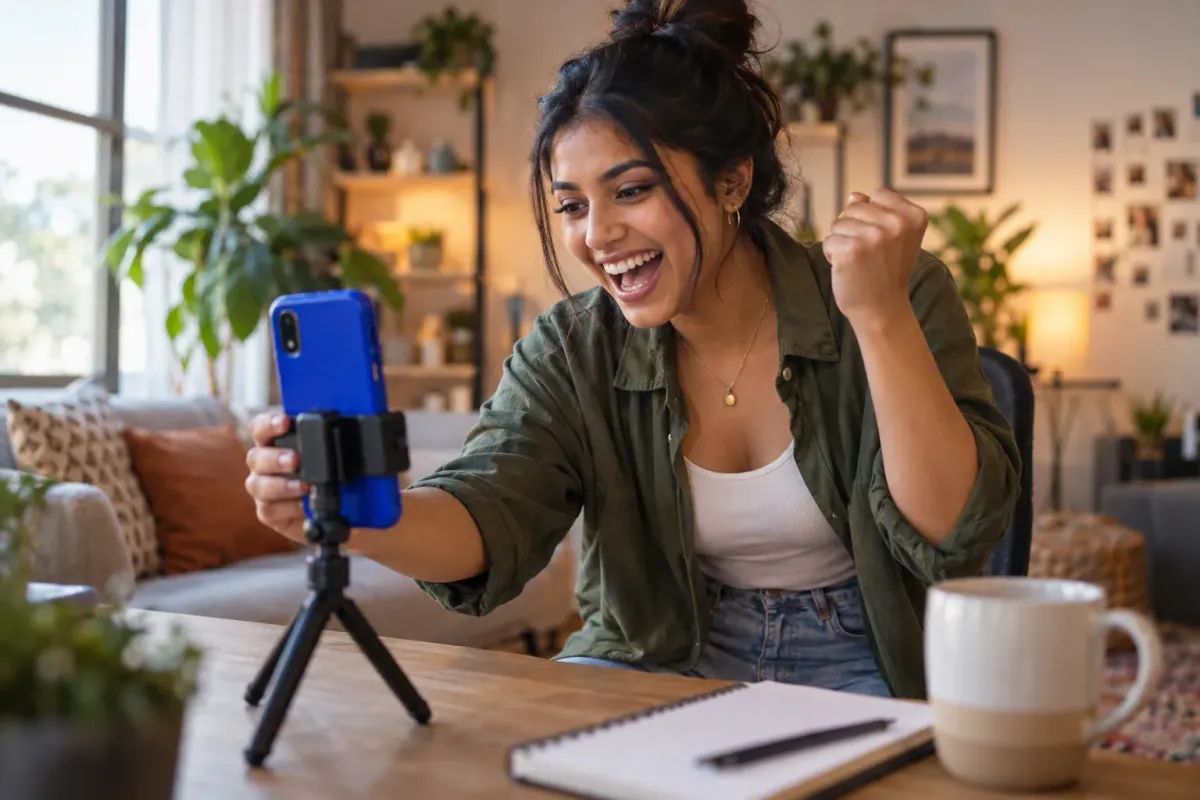
TikTok content creator earnings have no single standard rate. Money can come from platform programs, LIVE gifts, sponsored posts, UGC contracts, or Shop affiliate commissions. Eligibility, audience, niche, deliverables, product conversion, usage rights, and deal frequency all affect the total. Treat gross revenue separately from expenses and taxes.
How TikTok Pays: Rewards, LIVE Gifts, Commissions, Brand Deals and UGC Retainers
Platform rewards and LIVE gifts depend on the applicable program and audience activity. Brand deals pay for sponsored content; UGC contracts pay for specified creative deliverables, whether or not the creator has a large audience. Shop affiliates earn commission on qualifying attributed purchases, so views alone do not establish income. A retainer can provide recurring client work, but its terms and workload are set by the contract.
Follower-Tier Earnings Table With Sourcing and Caveats
Follower count is a weak stand-in for earnings because it does not show paid bookings, commission sales, or repeat clients. Published figures also measure different things, so use them as context rather than a personal forecast.
| Published reference | Reported amount | What it does and does not tell you |
|---|---|---|
| ZipRecruiter, “TikTok creator” hourly aggregate | About $22.05 per hour | A different title and measurement method, so it is not directly comparable to the annual aggregate |
Why Headline “Creator Salary” Numbers Mislead the Median Creator
Salary sites aggregate job listings and reported pay under labels that may cover different roles. An employee’s salary is not comparable to a creator’s irregular contract revenue, and neither automatically represents profit after production costs, unpaid pitching, or taxes. ZipRecruiter’s “TikTok content creator” and separate hourly estimates show how much results can change with the job title and data method.
Can You Make Money on TikTok Without a Large Following?
Yes. UGC work can pay for the quality and usefulness of the video rather than access to a large audience. Affiliate creators can focus on a specific product category and make clear demonstrations, though commissions depend on purchases and program terms. For brand deals, a focused audience and credible engagement can make a pitch more useful than follower count alone.
TikTok Content Creator Jobs: Full-Time Roles, UGC Contracts and Self-Employment
Where the Jobs Are: Brands, Agencies and UGC Contract Work
Paid opportunities include in-house social media roles at brands, creator partnerships jobs at agencies, and contract assignments for UGC videos. Search listings by the work itself, such as social media coordinator, short-form video producer, affiliate partnerships associate, or UGC creator. Read each description closely: some roles involve planning and editing for a company account, while others require pitching, filming, and delivering content under a client brief.
Full-Time Role vs UGC Contracts vs Self-Employment
A full-time position offers defined responsibilities and an agreed salary, while contract work pays for specified deliverables or services. Self-employment gives you control over clients and schedule, but income can vary; account for prospecting, production expenses, invoicing, taxes, and revisions. TikTok creator These aggregates use different job labels and methods, so treat them as listing context, not a typical creator’s expected pay.
| Work arrangement | Typical deliverable | What to evaluate |
|---|---|---|
| Full-time employee | Ongoing content, channel support, or creator coordination | Salary, benefits, workload, and ownership of content |
| UGC contractor | Videos made to a client brief | Fee, revisions, usage rights, deadlines, and payment terms |
| Independent creator | Client projects, sponsored posts, or affiliate content | Booking consistency, expenses, commission terms, and time spent pitching |
Building a Portfolio, Media Kit and Rate Card That Get Replies
Make it easy for a client to assess your fit. Assemble a portfolio with examples that show distinct skills, such as a product demonstration, a direct-to-camera explanation, and a short narrative. Add a media kit if you sell access to your audience; include your content niche, audience details, and relevant performance data. For UGC, lead with the work. Define deliverables, revision limits, usage rights, deadlines, and extra charges in your rate card so both sides know what the fee covers.
How Brands Actually Find Creators (Databases, Target Collabs and Outreach)
Brands discover creators through applications, direct pitches, TikTok Shop affiliate opportunities, and creator databases. Brands can describe the creator they want, use AI Creator Search to rank potential fits, and reach creators through DM, Target Collab, and email at up to 10,000 creators a day. For creators, a clear niche, accurate profile information, product-relevant videos, and prompt replies make it easier to assess fit when an opportunity arrives.
Make your pitch specific and brief:
- Name the product or campaign and explain why it fits your content.
- Suggest a concrete video concept and identify the deliverable you can provide.
- Ask about the budget, usage rights, timeline, sample process, and payment terms before agreeing.
How to Become a TikTok Content Creator: Step-by-Step Start Plus Content Ideas
Step-by-Step: Niche, Profile, First Videos and Posting Cadence
Start with a repeatable subject, not a perfect studio setup. A strong niche gives viewers a reason to follow and helps potential clients understand your work. Build a profile that states what you cover, publish a range of formats, and review which earn meaningful watch time, saves, comments, or product interest.
- Choose a subject you can cover consistently, such as budget cooking, skin care routines, home organization, or beginner fitness.
- Write a concise bio that tells viewers what they will learn or see.
- Plan several short videos around questions, demonstrations, and personal observations in your niche.
- Set a posting cadence you can maintain, then use audience response to refine topics and delivery.
The 3-Second Hook and Formats That Work by Niche
Open with the useful part: a question, a visible result, or a specific claim your video will explain. Make the topic clear without promising more than the video delivers. Match the format to the subject: show a finished dish before cooking steps, identify a product review’s use case before listing details, or preview a tutorial’s result before demonstrating each action.
Content Ideas List: Series, Hooks and Demos by Niche
Build recurring formats so each video starts with a clear premise. Ground each idea in something you can demonstrate, explain, or document, rather than relying on trends alone.
- Food: Series on low-cost meals; hook with the finished plate; demo one preparation step that saves time.
- Beauty: Series on routine changes; hook with the concern being addressed; demo application or texture in natural light.
- Home: Series on one small space at a time; hook with the cluttered starting point; demo the organizing process.
- Tech: Series on practical setup tips; hook with a common frustration; demo a feature in a real use case.
AI for TikTok Creators: Playbooks, Labeling Rules and a Course-Vetting Checklist

AI works best as a production assistant, not a substitute for your judgment or original footage. The workflow depends on whether you earn through sponsorships, client-made videos, or product commissions. Use AI to reduce repetitive work, then verify every claim, edit, and disclosure before publishing.
The AI Playbook by Identity: Where AI Helps Scripting, Editing and Ideation
Influencers can use AI to group audience questions, brainstorm recurring video concepts, and outline a brand pitch. Keep your personal perspective and final script in your own hands; a generic voice can weaken the trust a sponsorship depends on. UGC creators can turn a client brief into a shot list, draft alternate hooks, or organize revision notes. Check that the deliverable follows the brief and that the client’s claims are substantiated. Shop affiliates can use AI to structure a product demonstration around a real use case, but should verify product details and describe their experience accurately.
Use AI for preparation and organization, not as a substitute for evidence. Review captions, product names, pricing, and calls to action before a post goes live. If a tool creates a realistic synthetic voice, person, or scene, review TikTok’s current disclosure guidance before publishing.
Where AI Costs Reach and TikTok’s AI-Content Labeling Rules
AI-assisted brainstorming or routine editing differs from realistic, AI-generated imagery, audio, or video. TikTok’s published guidance asks creators to label AI-generated content that contains realistic images, audio, or video. Use the platform’s AI-generated content label when the content falls within that guidance, and check TikTok’s current rules for exceptions and restricted material. A label does not replace advertising disclosures, affiliate disclosures, or permission to use someone’s likeness.
Misleading synthetic content can damage viewer trust and create policy risk. Do not use AI to fabricate a product result, testimonial, endorsement, or personal experience. Before posting, confirm that the video is accurate, required labels are in place, and any paid or affiliate relationship is clearly disclosed.
The Course-Vetting Checklist: Avoid Scams Before You Pay
A paid course should offer a defined curriculum and practical skills, not guaranteed income or a secret posting formula that works for everyone. Check the instructor’s relevant work, the date of the material, refund terms, and whether the price includes ongoing fees. Ask for a sample lesson and written description of what you will receive before paying.
- Does the course teach a specific skill, such as editing, pitching, or affiliate disclosures?
- Are income examples explained with their source, costs, and limitations?
- Can you review the refund policy and complete curriculum before purchase?
- Does the seller avoid promises of guaranteed views, brand deals, or earnings?
- Can you learn the same core skill through free platform resources first?
Verdict: Choose a course only when its instruction fills a clear skill gap and its terms are transparent. For performance research, the FastMoss TikTok Data Analytics Platform presents features including Track competitor performance, Discover top products, Creator analytics, Viral trend detection, Live performance tracking, and Data accuracy with 90% reliability guarantee. Assess whether those analytics support your workflow before purchasing access. The FastMoss TikTok Data Analytics Platform is a research option, not a substitute for platform policy checks or honest product demonstrations.
Frequently Asked Questions
How can I become a creator on TikTok?
To become a TikTok content creator, pick one of three earning identities: influencer, UGC creator, or TikTok Shop affiliate. Each path has different buyers and income sources. Start by producing consistent short-form videos, studying your niche, and pitching brands or joining the affiliate program that matches your strengths.
How much does a TikTok creator get paid?
A TikTok creator's pay varies by identity, niche, and follower tier, so no single standard rate exists. Income streams include platform rewards, LIVE gifts, brand deals, UGC contracts, and Shop affiliate commissions.
Can you make money on TikTok without a large following?
Yes, TikTok creators can earn without a large following. UGC work pays for video quality and usefulness rather than audience size, and affiliate creators earn commission by demonstrating a specific product category well. For brand deals, focused engagement and product fit often matter more than raw follower count.
How many TikTok followers do I need to make $2000 a month?
Focus on conversions, repeat clients, and paid bookings instead of chasing a follower threshold.
What company pays $100 an hour to watch TikTok?
Viral job listings making this claim often describe research surveys or promotional scams with unrealistic pay. Legitimate creator income comes from brand deals, UGC contracts, affiliate commissions, and platform programs, all of which require producing content, not passive viewing.
What does a TikTok content creator actually do day to day?
A TikTok content creator plans, films, edits, and publishes short-form videos daily. Paid work adds pitching brands, agreeing on deliverables, meeting client briefs, sending drafts, and confirming usage rights. Successful creators also track views, watch behavior, comments, and sales signals to refine what performs.
Should I be an influencer, UGC creator, or TikTok Shop affiliate?
Choose influencer work if you have an audience brands want to reach, UGC if your strength is filming persuasive product content for businesses, and affiliate content if you can demonstrate products and earn on purchases. Treat each income stream on its own terms, since your starting point is a test, not a permanent label.