

Reacher Carmela
How to Find UGC Creators: Platform Options Compared
Compare practical ways to find, review, and manage UGC creators based on audience, content, campaign goals, and usage rights.
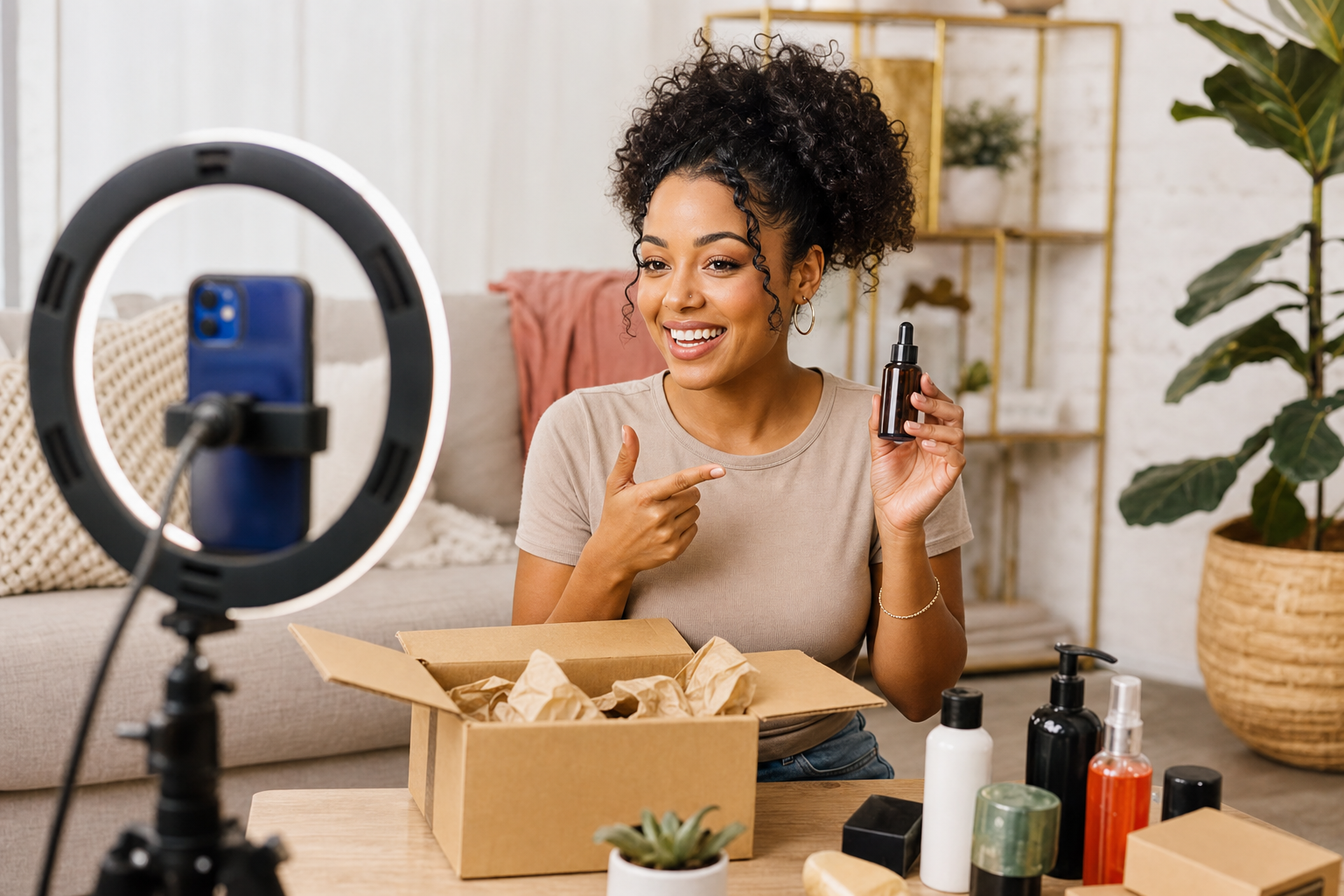
Finding and reviewing UGC creators
No platform can guarantee that a UGC creator will convert for your brand. Results depend on the product, audience, offer, brief, usage rights, distribution, and measurement method. A useful process finds creators who fit the campaign and tests that fit under clear conditions.
The right search route depends on the required output. A UGC marketplace can fit a brief for standalone ad assets. TikTok Creator Marketplace provides a native path for TikTok campaigns. An ongoing TikTok Shop affiliate program also needs outreach, creator records, samples, and sales context. This guide compares those routes by verifiable capabilities rather than promised outcomes.
Key takeaways
- Define the audience, market, content format, rights, and campaign goal before searching.
- Review several posts, audience fit, content quality, and delivery history.
- Use a marketplace for structured hiring and an operations platform for ongoing creator relationships.
- Review TikTok Shop affiliates by GMV, posting behavior, and content context, not only followers.
- Test a small group with the same brief, measurement window, and attribution rules.
Build a useful creator profile
Start with the customer, product, and market
Describe who can buy the product, what problem it addresses, and where it is available. Add language, country, price range, age group, and relevant interests. A creator can produce large view counts in a market where the audience cannot order the product.
Choose a content format that explains the item well. A technical product may need a demonstration or tutorial. A visual product may fit a short routine or comparison. Use this definition to locate candidates, not to script every line they say.
Separate requirements from preferences
Use hard requirements for market, language, minimum production quality, ad disclosure, and excluded topics. Treat style, audience size, and posting frequency as preferences when the campaign allows flexibility. This keeps a small criterion from excluding a strong niche creator.
Write down the commercial model: fixed fee, affiliate commission, product gifting, or a combination. State who pays for product and shipping, when delivery is approved, and which rights start after approval. Creators need a clear offer before they can evaluate the work.
Compare creator search routes and platforms
| Search route | What it provides | Useful for | Main limitation |
|---|---|---|---|
| Reacher | TikTok Shop discovery, outreach, CRM, samples, and affiliate analytics | Ongoing TikTok Shop recruitment | Still requires clear criteria and human review |
| TikTok Creator Marketplace | Native search, invitations, campaign management, and insights | TikTok campaigns inside the platform | Availability varies by market and account |
| Billo | UGC video production through briefs and selection | Buying specific video assets | Package, scope, and rights must match the brief |
| Insense | Marketplace for UGC and creator ads | UGC for organic and paid social | Plan, marketplace fee, and creator pay are separate |
| Collabstr | Direct search or campaign applications, hiring, and payment | Marketplace hiring across creator categories | Subscription and reporting limits vary |
| Direct search | Full control over candidates and contact | Small, highly specific shortlists | More manual research, review, and follow-up |
Reacher for TikTok Shop affiliate discovery
The official Reacher product page lists AI creator discovery based on content, style, and audience, along with automated outreach, creator CRM, sample management, and affiliate analytics. The platform connects shortlist, communication, relationship history, and performance context for TikTok Shop teams.
Treat search results as an ordered candidate list. Review content, audience, and previous product posts yourself. Prior GMV or engagement can guide attention but does not predict a different product's result. The current pricing page shows outreach limits and plan features.
Native search with TikTok Creator Marketplace
TikTok Creator Marketplace provides creator discovery, campaign management, and reporting according to its official page. Brands can search, invite creators, and review insights inside TikTok.
Confirm that the tool and required data are available for the market and account. Plan where product shipping, rights, external contact, and repeat partnerships will be managed. Search is one part of the full creator workflow.
Marketplaces for UGC assets
Billo supports UGC video production through briefs and creator selection. Billo states that licensing and ownership transfer after video approval; review the current terms and specific order scope.
Insense describes a marketplace for UGC, TikTok and Instagram creators, and creator advertising. Collabstr lets brands hire creator profiles or publish campaigns for applications. Both list plans and fees on official pages; check the current checkout and creator quote.
Direct search through content and communities
Searching TikTok, Instagram, YouTube, or a customer community can reveal niche profiles that do not appear in a standard marketplace query. Begin with relevant content rather than a long hashtag list. Look for creators who repeatedly explain or demonstrate products clearly and whose audiences ask relevant questions.
Direct search requires more operating time. Your team must check contact details, manage consent, document terms, track shipping, and record results. Use consistent CRM stages and follow channel rules and contact preferences. Do not send an identical message to every candidate.
Review creators before outreach
Review several recent posts
Check whether the creator explains the product category clearly and maintains a recognizable approach across more than one post. Review image and sound, plus story structure: does the problem become clear, is product use visible, and do claims stay within what can be supported?
Read audience comments. Questions about price, size, use, and availability sit closer to purchase consideration than general praise. They do not prove sales, but they can inform the brief and product page.
Check audience fit and delivery
Compare audience language, location, and interests with the selling market. For TikTok Shop affiliates, review prior shoppable content, GMV, posting frequency, and posting after samples when those data are available. Read the signals together rather than letting one outlier decide.
Check brand safety, conflicts, and ad disclosures. Share approved product claims before acceptance and explain which disclosures are required. Give creators room to adapt the presentation to their style without changing facts.
Run a controlled test campaign
- Select a small group: use varied creative styles with comparable audience fit.
- Use one base brief: keep facts, deadline, rights, and measurement consistent.
- State the offer: document fee, commission, sample, and delivery before work begins.
- Track delivery: record response, acceptance, sample status, posting, and revisions.
- Measure one window: compare assets, posts, and sales under the same attribution rules.
- Plan follow-up: invite suitable creators again and record why others leave the program.
Measure more than reach
For content production, track approval rate, delivery time, revisions, and channel usability. For affiliate campaigns, attributed sales, GMV, conversion, average order value, and posting rate can be useful. Include product, shipping, creator, and platform costs.
Use views and engagement as diagnostic signals, not automatic end goals. A widely viewed post may reach people who cannot buy. A smaller post may be valuable when comments, clicks, and sales fit the investment.
Build a repeatable creator process
Keep search criteria, review notes, contact, terms, samples, content, and results on the same creator record. The team can see who has been contacted, which products were sent, and which relationships merit another campaign. Update selection criteria with real campaign evidence.
Reacher combines discovery, outreach, CRM, and performance context for TikTok Shop teams. Use automation for lists, timing, and status while people own creator fit, negotiation, claims, and creative quality.
Frequently asked questions
Where can brands find UGC creators?
Use a creator marketplace, TikTok Creator Marketplace, a TikTok Shop platform such as Reacher, or direct content search. Choose based on asset buying, native posts, or an ongoing affiliate program.
Can a platform identify creators who will convert?
No result is certain before testing. Review audience fit, content, prior commercial signals, and delivery. Then use a consistent brief, measurement period, and attribution rule.
Which metrics help review TikTok Shop creators?
Combine GMV, attributed sales, conversion, average order value, posting frequency, and posting after samples. Followers and views provide context but do not show the full commercial outcome.
What is the difference between a marketplace and creator CRM?
A marketplace mainly supports finding and hiring for projects. A creator CRM stores relationships, communication, samples, campaigns, and performance over time. Some platforms cover parts of both.
Should usage rights be written separately?
Yes. Record channels, countries, duration, edits, ads, and posting from a creator account. Check music, visible brands, and other third-party material too.