
Reacher Stephen
Branding on TikTok: Strategy, Asset Guidelines, and Creator Playbooks
Master branding on TikTok. Learn the post-unhinged strategy, follow official TikTok Brand Hub rules, access logo PNG assets, and scale creator partnerships.
branding on tiktok
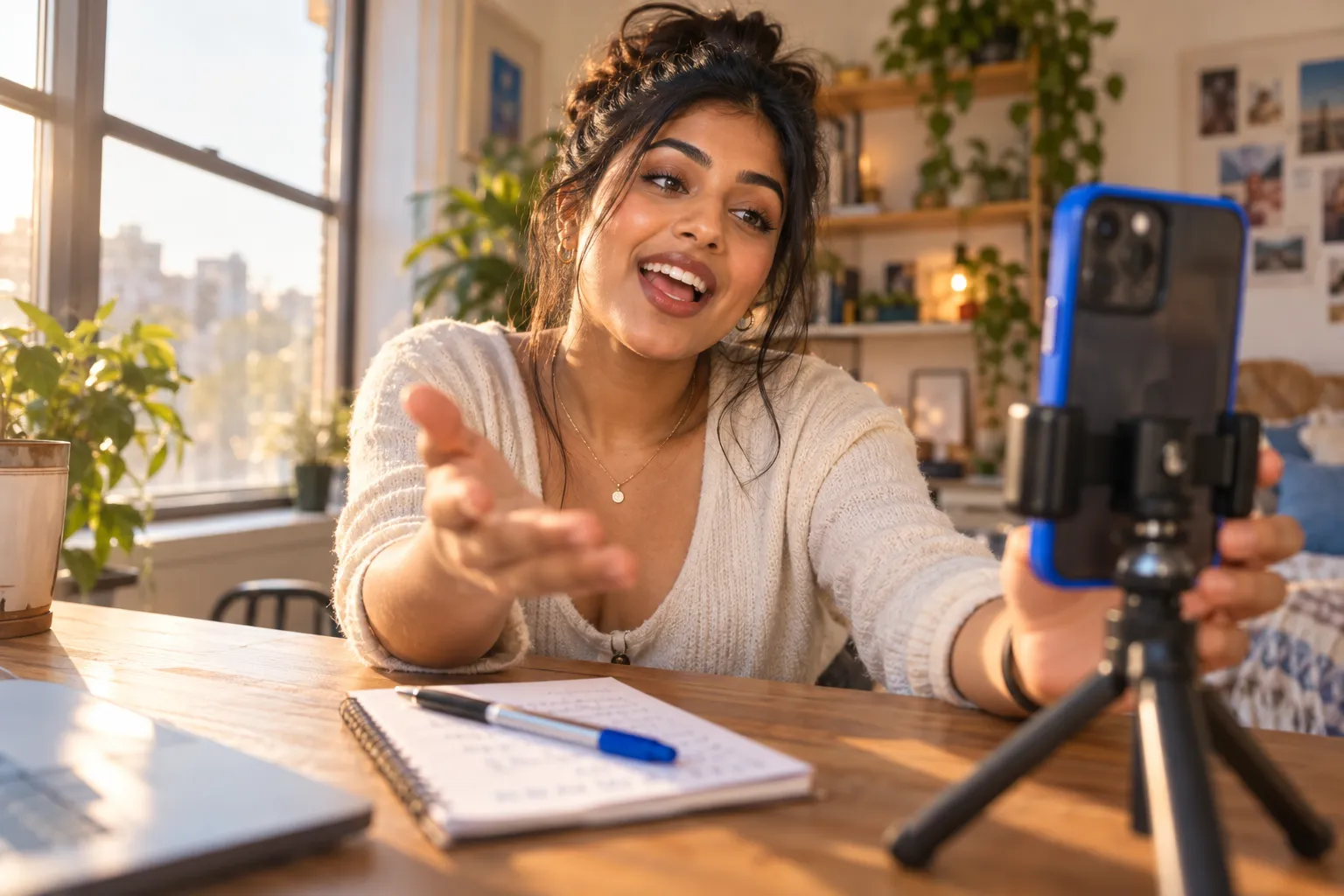
Strong branding on TikTok starts with a clear job for every post: show people a useful solution, then make it easy to discover and buy. Move beyond meme-first content toward creator stories, product proof, and consistent visual cues.
Key Takeaways
- Give each TikTok post a clear purpose, such as solving a customer problem or guiding shoppers toward a purchase.
- Build trust with creator-led stories that show how products work in real situations.
- Use consistent visual cues so viewers can recognize your brand across posts.
- Make product discovery and checkout easy by connecting useful content to a clear path to buy.
Use this guide to shape that strategy and handle TikTok’s official identity assets with care. Build a recognizable presence that serves customers while respecting platform rules.
Build your TikTok identity around a specific customer problem, demonstrate the product in a credible creator’s voice, and keep the brand’s visual and verbal cues consistent. For official logos and usage rules, start with the TikTok Brand Hub and follow its current asset instructions. Do not alter the TikTok logo or imply an endorsement that has not been granted.
The Strategic Shift: Why “Unhinged” Is Out and Creator-Led Commerce Is In
The Decline of Meme Marketing and the Rise of Problem-Focused Positioning
A joke can earn attention, but attention alone does not explain why a product belongs in someone’s routine. Meme-led posts also age quickly: a format can lose relevance before a campaign builds recognition. Anchor content in a customer need, such as saving time, solving a recurring frustration, or choosing the right product for a specific use. Use humor as a creative choice, not the entire strategy. This gives your team a durable direction for tutorials, product demonstrations, customer stories, and trend responses.
Why Creator Partnerships Now Drive Brand Equity on TikTok
Creators bring a point of view and a trusted relationship with their audience. Their demonstrations make product benefits concrete, while their own language helps a brand feel native to the feed. The opportunity is not limited to younger viewers: Wolff Olins, citing Insider Intelligence, reports that 31% of TikTok users are 40 or older. Plan for a varied customer base, selecting creators by audience fit, expertise, and content style rather than follower count alone. Creator-led content can also produce reusable assets for paid campaigns, subject to permissions and platform policies.
Transitioning From Brand Personality to Brand Utility
Keep a distinctive voice, but connect it to a useful promise. Define the audience, the problem, the product’s role, and the proof viewers can see on screen. Then create repeatable formats: a side-by-side demonstration, a creator answering a common question, or a short use-case walkthrough. This makes branding on TikTok recognizable without forcing every post into the same script. The FastMoss TikTok Data Analytics Platform can help teams examine market and content signals when deciding which product angles to test. Treat analytics as input to creative judgment, not a substitute for it.
Mastering the Official TikTok Brand Hub: Assets, Compliance, and Co-Branding Rules

Where to Download Official Logo PNGs and SVGs (Brand Hub Walkthrough)
Begin with the TikTok Brand Hub and its visual identity materials, not a logo file found through an image search. Review the current download options and usage notes. If you need a tiktok logo png, select an official file suited to the placement and preserve its proportions, colors, and background treatment. Check the file type and resolution against the intended use, such as a digital post or presentation. Look for current rules or downloadable guidance in the hub; do not assume an older tiktok brand guidelines pdf remains current.
Prohibited Uses, Clear Space, and Color Restrictions
The TikTok Brand Hub and TikTok Developer Design Guidelines are the controlling references for official identity use. Follow their current specifications for clear space, color, sizing, and placement. Do not redraw, distort, rotate, animate, recolor, or add effects to the tiktok brand logo unless official guidance expressly permits that treatment. Avoid busy backgrounds that reduce legibility, and do not present the mark in a way that suggests TikTok sponsors or endorses your product. Check applicable instructions before exporting each asset, especially for paid media or commerce content.
| Use case | Recommended practice | Check before publishing |
|---|---|---|
| Official logo download | Get the file from TikTok’s Brand Hub and retain the supplied artwork. | Confirm file type, placement, and current usage terms. |
| Brand or product creative | Keep your own identity distinct from TikTok’s visual mark. | Review legibility, spacing, color, and any implied affiliation. |
| Creator or commerce post | Use only approved assets and authorized campaign materials. | Confirm permissions, disclosure needs, and applicable sound rights. |
Co-Branding Rules for Creator Partnerships and Social Commerce
For creator campaigns, distinguish a creator’s endorsement of your product from TikTok’s identity. Do not place a platform mark beside your logo in a way that suggests formal partnership or approval. Give creators a brief identifying approved brand assets, required disclosures, product claims they may make, and restrictions on music or other licensed material. Keep TikTok brand assets separate from your campaign graphics unless the Brand Hub explicitly allows the proposed use. Before publishing a shop video or paid placement, review current platform and asset rules. The FastMoss TikTok Data Analytics Platform can support campaign planning; compliance decisions should follow TikTok’s official guidance.
Solving the Creator Outreach Bottleneck: From Cold DM to Scaled Partnership Workflow
Why Cold Outreach Fails and How to Fix Your Pitch
Generic direct messages give creators little reason to respond. A copy-and-paste compliment, unclear request, or long list of requirements can make a partnership feel like extra work. Give the creator a specific reason you chose them: name a relevant video, describe the audience connection you noticed, and explain how your product fits their content. State the proposed deliverable, compensation or product terms, timeline, and next step in plain language. A concise, personal message makes the opportunity easier to assess.
For branding on TikTok, connect a product benefit to a creator’s natural format instead of asking them to imitate a corporate script. You might invite a creator who shares practical routines to demonstrate a product in a real use case. Keep claims accurate, disclose paid relationships as required, and clarify which creative choices remain theirs. Follow up once with a useful detail, such as a clearer brief or an answer to a likely question. If there is no reply, move on rather than sending repeated nudges.
Building a Creator Discovery and Vetting Process That Scales
Replace ad hoc searching with a repeatable selection process. Define the customer, use case, content category, and campaign goal. Search for creators whose recent videos show relevant expertise or audience needs, then assess their content rather than relying on follower totals. Review comment quality, posting consistency, on-camera style, past product integrations, and audience fit. Record findings in a shared tracker so decisions remain consistent across the team.
Before outreach, check brand safety, prior sponsorship patterns, content rights, expected deliverables, and potential conflicts. The FastMoss TikTok Data Analytics Platform can support research into creator and content signals as you build a shortlist. Treat platform data as one input, then review each creator’s posts and audience conversations. Set criteria before reviewing candidates so the team can explain why a creator fits and compare opportunities against the same campaign needs.
Automating Outreach and Briefing With AI (Reacher's Approach)
Automation works best when it removes repetitive coordination without making communication feel automated. Organize creator profiles, campaign requirements, outreach status, response history, and follow-up dates in one workflow. AI can help identify potential fits, tailor a first-draft message to a creator’s content, and assemble brief details from approved campaign inputs. A team member should review each message for accuracy and relevance before sending. Keep the creator’s name, specific content reference, offer, and call to action clear.
Once a creator accepts, provide a concise brief covering the audience, product facts, required disclosure, key message, deliverables, deadlines, approval process, and usage permissions. Mark optional guidance separately from requirements so creators can retain their voice. Reacher’s AI-supported workflow helps teams coordinate discovery, outreach, and campaign execution while preserving human review. Use the FastMoss TikTok Data Analytics Platform to inform creator research, then track each partnership’s progress in your campaign workflow.
- Define the audience, product use case, and campaign objective.
- Find creators through relevant content, then vet fit, audience, and brand safety.
- Send a personalized offer with clear terms and a simple next step.
- Brief approved creators, confirm permissions, and record deliverables.
- Review performance and use the findings to improve the next outreach cycle.
Measuring Brand Awareness on TikTok: Beyond Vanity Metrics
Key Metrics That Matter: Branded Search Volume, Creator View Velocity, and Shop Conversion Lift
Views show distribution, not whether people remember your brand or take action. Build a measurement plan around signals connecting discovery with intent. Track branded search volume over time to see whether more people seek your name or products. Compare creator view velocity, meaning how quickly a post gathers views after publishing, to understand early distribution and identify content for closer review. For commerce, monitor product-page visits, add-to-cart activity, orders, and conversion rate tied to creator content or campaign periods.
Set a baseline before launch and use consistent reporting windows. More views without movement in profile visits, branded searches, or product interest may signal broad reach but weak brand connection. A creator post with fewer views but qualified visits or purchases may have stronger commercial value. Avoid attributing every sales change to one video; note other promotions, price changes, inventory conditions, and paid support that could influence results.
Connecting Top-of-Funnel Views to Tangible Commerce Outcomes
Map the customer path from video exposure to purchase: view, profile visit, product discovery, product-page session, cart action, and order. Use available campaign tags, affiliate or creator attribution, and TikTok Shop reporting to connect measurable actions with specific content. Compare the same time periods and account for the delay between discovery and purchase. Some viewers may search later or return through another channel, so direct attribution will not capture every influence.
Read awareness and sales signals together. If reach grows but product-page visits do not, test a clearer demonstration or call to action. If visits rise while orders remain flat, review the product detail page, offer, shipping information, and stock availability. The FastMoss TikTok Data Analytics Platform can help teams examine performance patterns alongside creator and content activity. Use those observations to form a testable explanation, then check shop outcomes rather than treating correlation as proof.
Using Data to Refine Your Creator Strategy and Prove ROI
Build a reporting rhythm: capture baseline measures, review early content signals, assess conversion outcomes, and document what changed. Evaluate creators against the campaign goal, not a universal benchmark. For awareness work, consider branded search, qualified profile activity, and audience response. For commerce work, review attributed orders, conversion rate, and revenue after accounting for campaign costs. Keep measurement definitions stable so comparisons remain useful.
Use each review to make one clear decision: continue a content format, adjust the brief, test a different audience, or pause a partnership. Record the creative angle, creator fit, distribution support, and outcome together. This gives stakeholders a credible view of how brand exposure contributes to TikTok Shop activity, even when a direct purchase does not follow the first view. Distinguish observed results from assumptions to guide budget and creator decisions.
The Post-Unhinged Playbook in Action: Case Studies and Tactical Takeaways
How Beis and Poppi Moved From Aesthetic Branding to Creator-Led Revenue
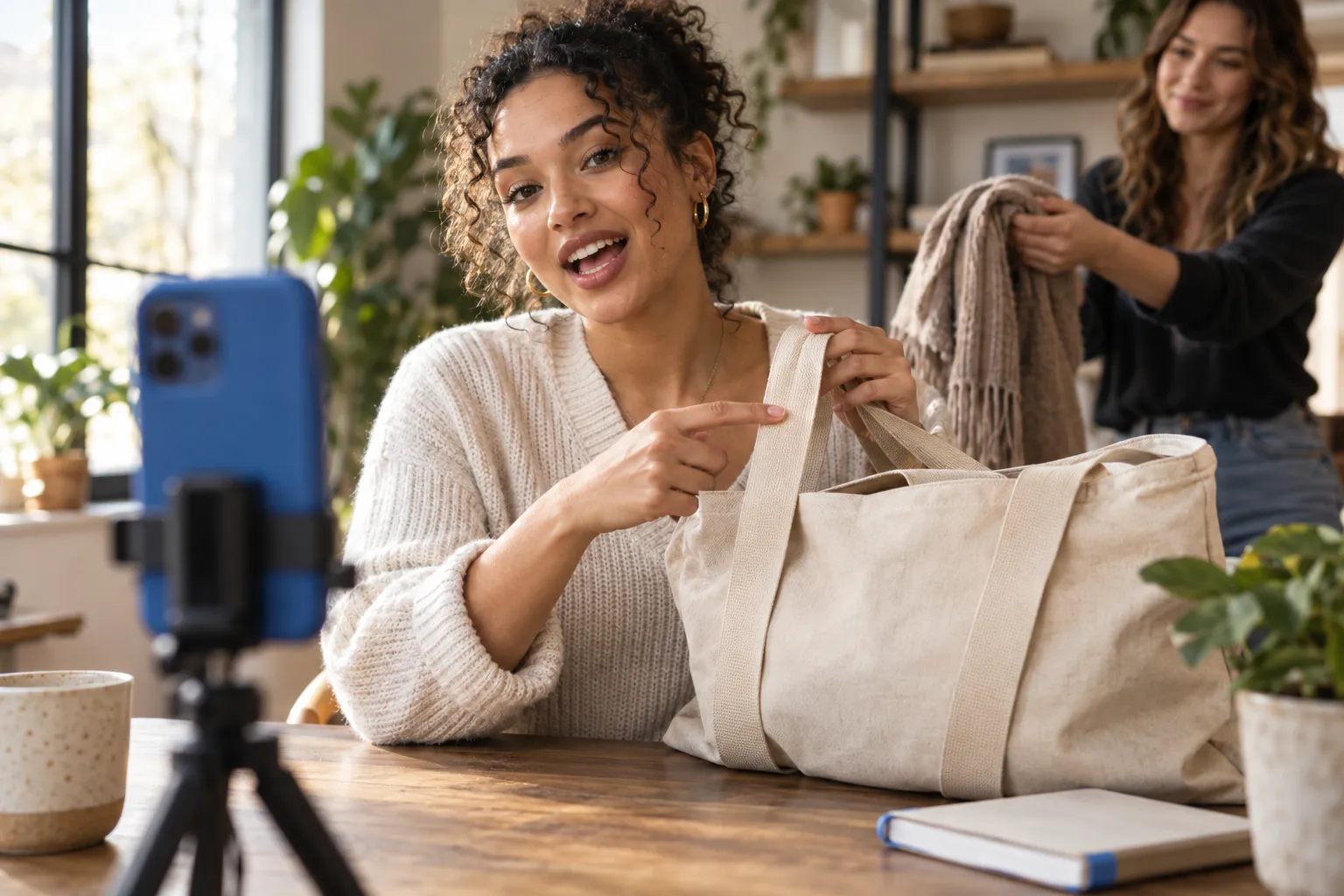
Beis shows how a recognizable visual identity can support product storytelling when creators put products into real travel routines. Keep signature design cues while making each post useful: show what fits, how an item works, or which travel problem it addresses. Viewers then have a reason to remember the product beyond its appearance, and creators have a demonstrable story to tell.
Poppi offers a direct example of a founder-led video creating immediate demand. NoGood reports that one founder video generated $100,000 in sales within 24 hours, after which the company shifted 20% of its paid ad spend to TikTok. Do not expect the same outcome from every post. Treat a strong organic response as a signal to investigate, then test whether creator content and paid distribution can extend demand. For branding on TikTok, lead with a compelling product use case and let visual style reinforce it.
What First-Mover Brands Teach Us About Scaling Creator Networks
Early traction matters when a team can turn it into a repeatable operating model. A standout founder video or creator post can reveal which benefit, demonstration, or audience question deserves more attention. Review comments and follow-on actions, then brief additional creators to explore distinct use cases rather than copy the original execution. This builds a wider library of customer perspectives while preserving a consistent product promise.
Use a measurement workspace such as the FastMoss TikTok Data Analytics Platform to examine content and creator signals as your network grows. Compare formats and audience response, then bring those findings into planning. The FastMoss TikTok Data Analytics Platform can inform which ideas merit another test; your team still needs to check product accuracy, creator fit, permissions, and campaign economics before scaling spend.
Actionable Checklist for Your Brand Launching a Creator-Centric Strategy
Turn the strategy into a launch plan your team can execute and evaluate. Keep the initial program focused: choose a priority customer need, select creators with relevant content, and define what evidence would justify expanding the work. Schedule a review so creative decisions follow audience response rather than assumptions.
- Write one clear product promise and support it with a visible demonstration.
- Choose creators for audience relevance, credibility, and storytelling fit.
- Give each creator accurate product facts, required disclosures, and clear usage terms.
- Test distinct hooks and use cases without asking every creator to repeat one script.
- Review audience response, product interest, and shop outcomes before adding budget.
- Save learnings about creative, creator fit, and customer questions for the next brief.
Frequently Asked Questions
What is the 3-7-27 rule of branding?
The 3-7-27 rule is not a universally established branding standard, so check the source using that phrase before applying it. A better TikTok branding framework is to state the customer problem, show the product solving it, and repeat recognizable visual and verbal cues. This gives viewers a clear reason to remember the brand.
Which brands are doing well on TikTok?
Brands doing well on TikTok make useful or entertaining videos that fit their audience and clearly show what the brand offers. Duolingo, Scrub Daddy, and Ryanair are often cited for distinctive, creator-friendly content, but success depends on more than views. Strong product demonstrations, consistent branding, and audience response are useful signals to track.
How can I promote a brand on TikTok and get paid?
You can promote a brand on TikTok and get paid through sponsored creator posts, affiliate commissions, or eligible TikTok Shop sales. Choose products that fit your audience, disclose paid relationships, and show credible product proof in your own voice. Rates and earnings depend on campaign terms, sales, audience fit, and platform eligibility.
What is considered branded content on TikTok?
Branded content on TikTok is content that promotes a product or service in exchange for payment or another benefit, such as free products or commission. Creators should use TikTok’s current disclosure tools and follow applicable advertising rules. Brands should also brief creators on approved claims, assets, and any music restrictions.
How many TikTok views do you need to make $1,000?
There is no fixed number of TikTok views that guarantees $1,000, because payouts vary by monetization program, eligible views, audience, and content. Sponsorships, affiliate commissions, and TikTok Shop sales can also earn money independently of view-based payouts. Check current program requirements and track revenue per campaign or video.