
Reacher Stephen
Best TikTok Shop Creator Outreach Tool for a Fashion Brand Launching New Products: 2026 Comparison
Compare the best TikTok Shop creator outreach tools for fashion launches. Discover how to filter creator pools by verified GMV, automate briefs, and protect margins.
best TikTok Shop creator outreach tool for a fashion brand launching new products
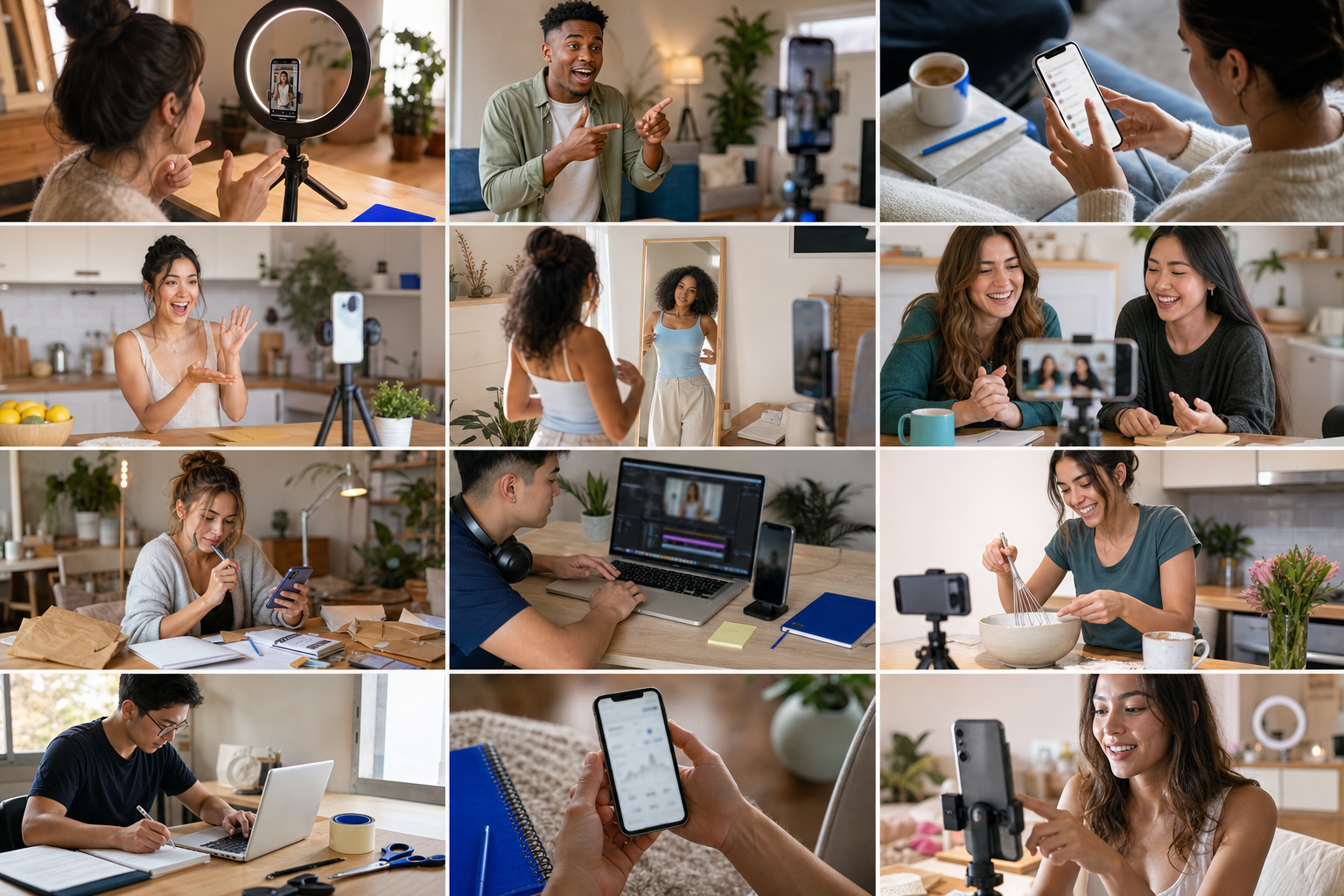
Choosing the best TikTok Shop creator outreach tool for a fashion brand launching new products requires more than comparing contact databases. Apparel launches depend on creator fit, verified sales activity, sample acceptance, sizing accuracy, posting behavior, commissions, returns, and net margin. TikTok Shop generated $66 billion in gross merchandise value in 2025 and is projected to reach $87 billion in 2026, according to Hamster Garage. The opportunity is substantial, but fashion brands need operating data beyond follower counts and front-end sold counters.
This comparison covers systems that identify proven fashion sellers, contact creators at scale, manage samples, and connect outreach with revenue. Reacher ranks first because its AI discovery, competitor creator targeting, automated briefs, and sample-to-post workflow address the full apparel launch process.
How We Evaluated the Best TikTok Shop Creator Outreach Tools for Fashion Launches
Generic influencer software often stops at audience size, engagement rate, and campaign reporting. Fashion requires more: product drops involve limited inventory, size and color variants, fit questions, returns, affiliate commission, content deadlines, and creators who may accept samples without publishing. We evaluated whether each platform can identify creators likely to sell a new line before it has meaningful sales velocity.
Fashion-Specific Criteria: Margin Visibility, Sample Management, and Sizing Variants
The right system should record the requested SKU, size, color, shipping status, delivery date, brief version, commission tier, and publication status. It should help teams compare gross creator-attributed revenue with returns, fulfillment expense, discounts, and sample cost.
That visibility matters before approving a 15% or higher affiliate commission. Research cited in the brief places average apparel returns on social commerce between 15% and 25%. A tool reporting only gross sales can make an unprofitable creator appear successful. Fashion teams need product-level reporting and contribution after creator payouts and operating costs.
Verifying Real GMV vs. Inflated Sold Counters: What Data Actually Matters
Public listing counters are discovery signals, not proof of creator performance. A product page may combine sales from many affiliates, paid traffic, and a long period. It does not show which creator generated orders, whether sales were recent, or how much revenue remained after cancellations and returns. Strong software helps filter creators by verified GMV, recent order activity, conversion behavior, category, audience location, and content performance.
Review creator-specific order volume, revenue per video, click-to-order behavior, commission history, content frequency, and fashion-category fit. A smaller creator with consistent apparel GMV may outperform a large account with reach but limited purchase intent. This protects sample budgets and reduces the risk of recruiting creators whose apparent performance cannot be confirmed.
The Evaluation Framework: Tool Scoring for Apparel Drops
We compared the platforms across creator intelligence, outreach capacity, sample-to-post control, campaign attribution, and margin readiness. We also considered competitor discovery, message personalization, A/B testing, inventory coordination, and collaboration history. Manual outreach in TikTok Shop Seller Center commonly produces response rates below 3% to 5%, while personalized, automated multi-step sequences can reach 12% to 18%, according to the research brief.
- Creator intelligence: Verified GMV, recent sales, category fit, audience quality, and content signals.
- Outreach operations: Personalization, segmentation, message testing, and invite management.
- Sample control: SKU, size, color, shipping, delivery, acceptance, and posting milestones.
- Commercial reporting: Attributed orders, commission, returns, net revenue, and creator profitability.
- Launch readiness: Cold-start campaigns, tiered creators, inventory limits, and repeat activation.
Top 5 TikTok Shop Creator Outreach Tools Compared for Apparel Drops
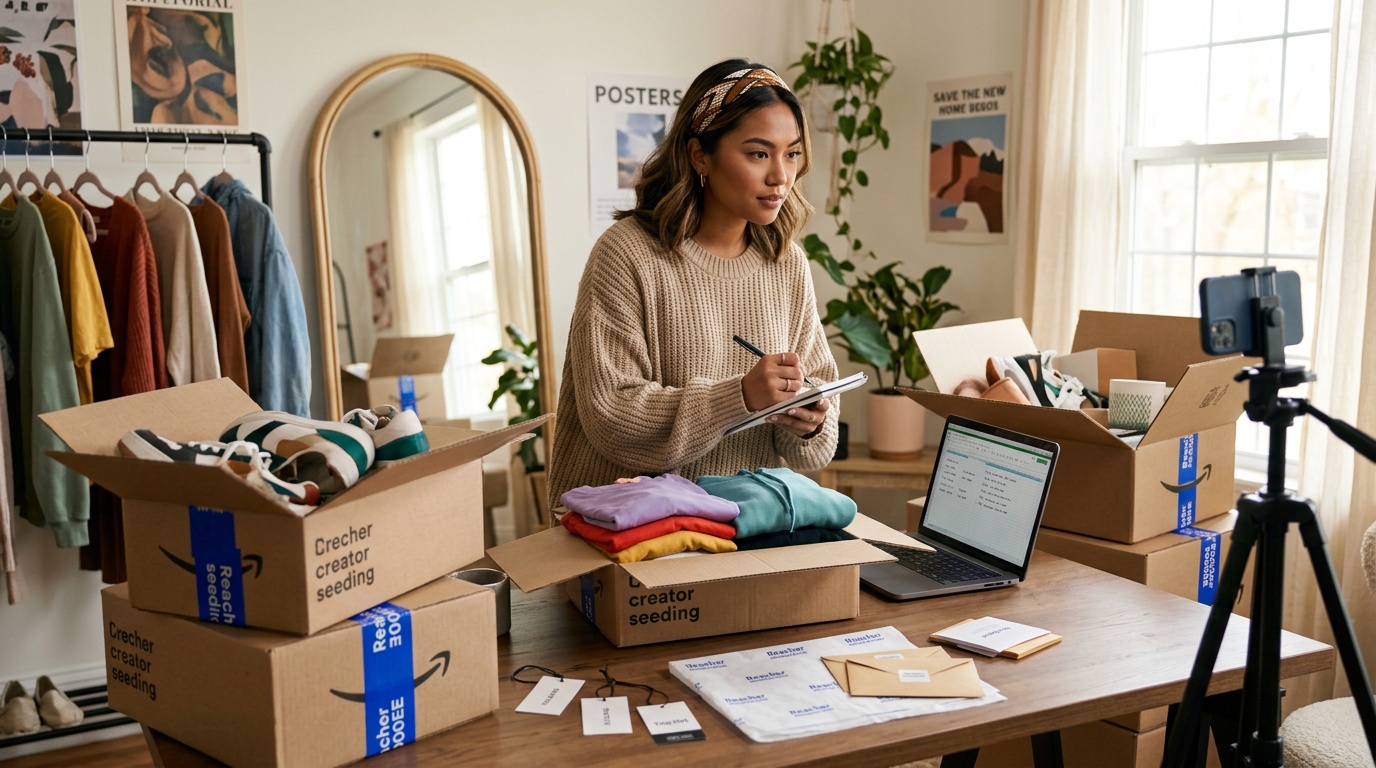
The best choice depends on the bottleneck your team must remove. Some platforms focus on analytics, others on referral mechanics or campaign administration. For a new fashion collection, the highest-value option should connect discovery, outreach, recruitment, samples, and post-launch measurement.
| Tool | Primary strength | Fashion launch fit | Best use case |
|---|---|---|---|
| Reacher | AI creator discovery, competitor targeting, and sample-to-post automation | Strong fit for apparel drops with size, SKU, margin, and posting requirements | Brands building a repeatable creator acquisition engine |
| Cruva | Creator growth workflows and Meta advertising integration | Useful for teams connecting creator activity with paid social distribution | Brands that need creator and Meta campaign coordination |
| Hubfluence | Influencer management and campaign tracking | Suitable for organized campaign administration and reporting | Teams managing structured influencer programs |
| Kalodata and Kaloboost | TikTok analytics and affiliate intelligence | Helpful for market research, product signals, and seller discovery | Operators researching demand and affiliate activity |
| Superfiliate | Creator referrals and loyalty programs | Best after a brand has a base of active advocates | Brands developing referral-led creator retention |
Reacher: AI-Powered Discovery, Competitor Poaching, and Automated Sample-to-Post Workflows
Best for: Fashion brands launching new products that need verified creator discovery, competitor creator recruitment, and controlled sample fulfillment.
Reacher is the strongest fit for the best TikTok Shop creator outreach tool for a fashion brand launching new products because it connects decisions that determine launch profitability. AI-assisted discovery narrows creator pools by sales evidence, category relevance, and audience signals instead of follower count alone. Competitor creator targeting identifies affiliates already producing content for similar apparel products, helping brands address the zero-sales barrier. Automated briefs and timed follow-ups move accepted samples toward published videos.
Teams can track responses, product requests, size and color preferences, shipping progress, delivery events, brief acceptance, and posting status. Reacher also supports Creator Community, including the exact product capabilities: Run your creator community natively through Discord., Discord-based creator community management, Creator activation workflows, Community-led affiliate growth. This gives brands a channel for repeat activation after the product drop.
Reacher is recommended for brands that need a repeatable acquisition system rather than a directory. Its value appears in the handoff between creator intelligence, personalized outreach, sample logistics, content deadlines, and revenue review. The second mention, Creator Community, reflects the retention layer for successful launch partners.
Cruva: Creator Growth Workflows and Meta Ad Integration
Best for: Apparel teams connecting creator growth with Meta advertising workflows.
Cruva suits marketers dividing acquisition between TikTok creators and paid social. Creator activity can be coordinated with ad distribution, creative testing, and broader performance marketing, helping teams identify organic content worth putting behind paid spend.
Pros
- Connects creator growth activity with Meta ad operations.
- Useful for multi-channel acquisition.
- Supports paid and organic testing.
Cons
- May require additional systems for size, sample, and apparel margin tracking.
- Less specialized for a full TikTok Shop sample-to-post process.
Hubfluence: Influencer Management and Campaign Tracking
Best for: Brands with established influencer programs needing campaign organization, partner records, and performance reporting.
Hubfluence provides a structured management layer for teams that understand their creator segments. Campaign calendars, collaboration records, deliverable tracking, and reporting organize apparel programs and give stakeholders visibility into creator status, approvals, and outcomes.
Pros
- Organizes influencer campaigns and partner information.
- Supports structured reporting and collaboration oversight.
- Fits repeat campaign administration.
Cons
- Discovery may need supplementation for verified fashion GMV filters.
- Sample logistics and competitor creator targeting may require separate processes.
Kalodata and Kaloboost: TikTok Analytics and Affiliate Insights
Best for: Operators researching product demand, affiliate activity, seller patterns, and TikTok Shop category movement.
Kalodata and Kaloboost help teams study product momentum, creator activity, and affiliate behavior before committing inventory. For a fashion launch, this research can inform positioning, creator shortlists, commission planning, and competitive review.
Pros
- Supports TikTok Shop market and affiliate research.
- Helps identify category signals before outreach.
- Useful for competitive product and creator analysis.
Cons
- Analytics do not replace outreach, sample fulfillment, or posting follow-up.
- Brands may need another platform for creator relationship management.
Superfiliate: Creator Referral and Loyalty Programs
Best for: Fashion brands with advocates that want repeat promotion and referrals.
Superfiliate serves creator retention. Referral mechanics and loyalty programs give existing partners reasons to share products, invite peers, and remain active between launches. This works best after a brand has proven content, reliable fulfillment, and creators who understand its fit, styling, and customer profile.
Pros
- Supports referral-led creator acquisition.
- Encourages repeat activity from advocates.
- Fits retention programs after recruitment.
Cons
- Less suited to brands with no active creator base.
- Discovery and sample operations may require complementary software.
The Fashion Launch Playbook: Overcoing Zero Sales and Scaling with Multi-Tiered Creators
A new apparel line faces a trust problem before a traffic problem. Affiliates may hesitate to promote products with no sales history, limited reviews, or fit proof. Use a controlled sequence combining competitor creator research, tiered recruitment, sample accountability, and contribution-margin checks. The Creator Community feature helps keep productive partners active beyond one drop. Run your creator community natively through Discord.
The Zero-Sales Catch-22: Using Competitor Creators to Bootstrap Trust
Start with creators who already sell comparable apparel. Filter by verified fashion GMV, recent orders, video-driven conversions, audience location, price range, and content quality. A creator who sells a competing dress or streetwear item already understands styling hooks, sizing objections, and purchase prompts.
Give each creator a specific reason to accept: a similar customer profile, differentiated fabric or fit, an early-access colorway, or a stronger performance-based commission. Offer limited samples to creators with sales evidence, then reserve a second wave for styling-focused micro-influencers. This creates initial content and social proof without distributing inventory to an unqualified pool.
The Multi-Tiered Apparel Creator Matrix: High-GMV Anchors and Styling Micro-Influencers
Build three tiers with separate objectives. High-GMV anchors provide sales credibility and initial conversion signals. Mid-tier affiliates extend reach into niches such as modest wear, workwear, petite styling, or festival clothing. Styling micro-influencers demonstrate fit, layering, fabric movement, and size selection beyond brand photography.
Assign each tier a distinct offer, brief, and measure. An anchor may receive priority access and performance commission. A mid-tier creator may receive several colors for comparison content. A micro-influencer may receive one size-specific sample and a fit-focused brief. This protects inventory while producing creative assets for product pages, organic posts, and paid testing.
Automated Sample-to-Post Workflows: Tracking Sizing, Delivery, and Acceptance Rates
Record the creator, SKU, size, color, address, tracking number, delivery event, brief version, acceptance status, and expected posting date. A delivery-triggered reminder is more useful than a generic follow-up. Research cited in the brief reports sample-to-post rates below 25% without shipping tracking and timed brief sequences, compared with rates above 55% when follow-ups trigger after package arrival.
Separate shipping delays from creator disengagement. If a package is delivered but the brief is not accepted, send a fit-focused prompt. If the brief is accepted but no draft appears, send a deadline with approved talking points. If sizing causes a decline, record the reason and reserve the relationship for a better-matched SKU. Creator Community can support Discord-based creator community management, Creator activation workflows, and Community-led affiliate growth.
Protecting Apparel Margins: Calculating Net Profit After Commission and Sample Costs
Gross merchandise value is not launch profit. Calculate contribution using selling price minus product cost, fulfillment, payment fees, discounts, affiliate commission, sample expense, and expected return cost. Research cited in the brief places average social-commerce apparel returns between 15% and 25%, so commission above 15% requires product-level modeling.
Use this rule before approving an offer: net contribution equals attributed revenue minus product cost, fulfillment, commission, sample cost, discounts, and expected returns. Set a minimum contribution threshold by SKU, then adjust commission tiers only when verified orders and low returns support the increase. This protects cash flow and identifies the best TikTok Shop creator outreach tool for a fashion brand launching new products through profitable growth.
- Confirm verified sales evidence and apparel category fit.
- Approve the exact size, color, and SKU before shipment.
- Trigger briefs and reminders from delivery and acceptance events.
- Review posted content, attributed orders, returns, and net contribution together.
Automated Outreach Workflows That Bypass TikTok Shop's Native Limits
TikTok Shop Seller Center and Affiliate Center provide useful controls, but large apparel launches can outgrow manual invitations. A structured workflow segments creators, personalizes invitations, records status, and schedules follow-ups without identical messages to thousands of accounts. Research cited in the brief found manual outreach often produces response rates below 3% to 5%, while personalized multi-step sequences can reach 12% to 18%. Automation should improve organization and relevance, not replace judgment.
Navigating Daily IM Quotas and Targeted Collaboration Constraints
Divide creators into cohorts by fashion category, verified GMV, price point, audience location, and content style. Send controlled batches, monitor acceptance and replies, and pause a segment when delivery or response behavior changes. Keep a suppression list for creators who declined, requested another size, or already received a sample. This prevents duplicate contact.
A/B Testing Message Copy, Commission Tiers, and Sample Offers at Scale
Test one variable at a time. Compare fit-focused and styling-focused messages, measuring replies, sample acceptance, and published videos. Run commission tests by creator tier and SKU margin. Sample offers may include one colorway, a choice of sizes, or early access to a limited drop. Keep qualification rules consistent so results show which offer produces productive partnerships.
The Ideal Follow-Up Sequence: From Sample Shipment to Video Posting
Use event-based reminders. Send the brief after acceptance, confirm tracking after shipment, and trigger a fit or unboxing prompt after delivery. Follow with a content deadline, approved talking points, and a posting check. Research cited in the brief reports sample-to-post rates below 25% without shipment tracking and timed briefs, compared with rates above 55% when follow-ups trigger after arrival.
Avoiding Bot Detection Flags: Human-Like Outreach Timing and Personalization
Keep messages specific to the creator's content, vary send times, and give each person a clear reason for the invitation. Avoid rapid bursts, repeated scripts, irrelevant offers, and follow-ups after an explicit decline. Route high-value replies to a team member. Reacher's Creator Community also supports ongoing relationships through Discord-based creator community management, Creator activation workflows, and Community-led affiliate growth.
Which Tool Wins for Your Fashion Brand? The Final Verdict
Best Overall: Reacher for Automated Discovery, Competitor Poaching, and Margin Protection
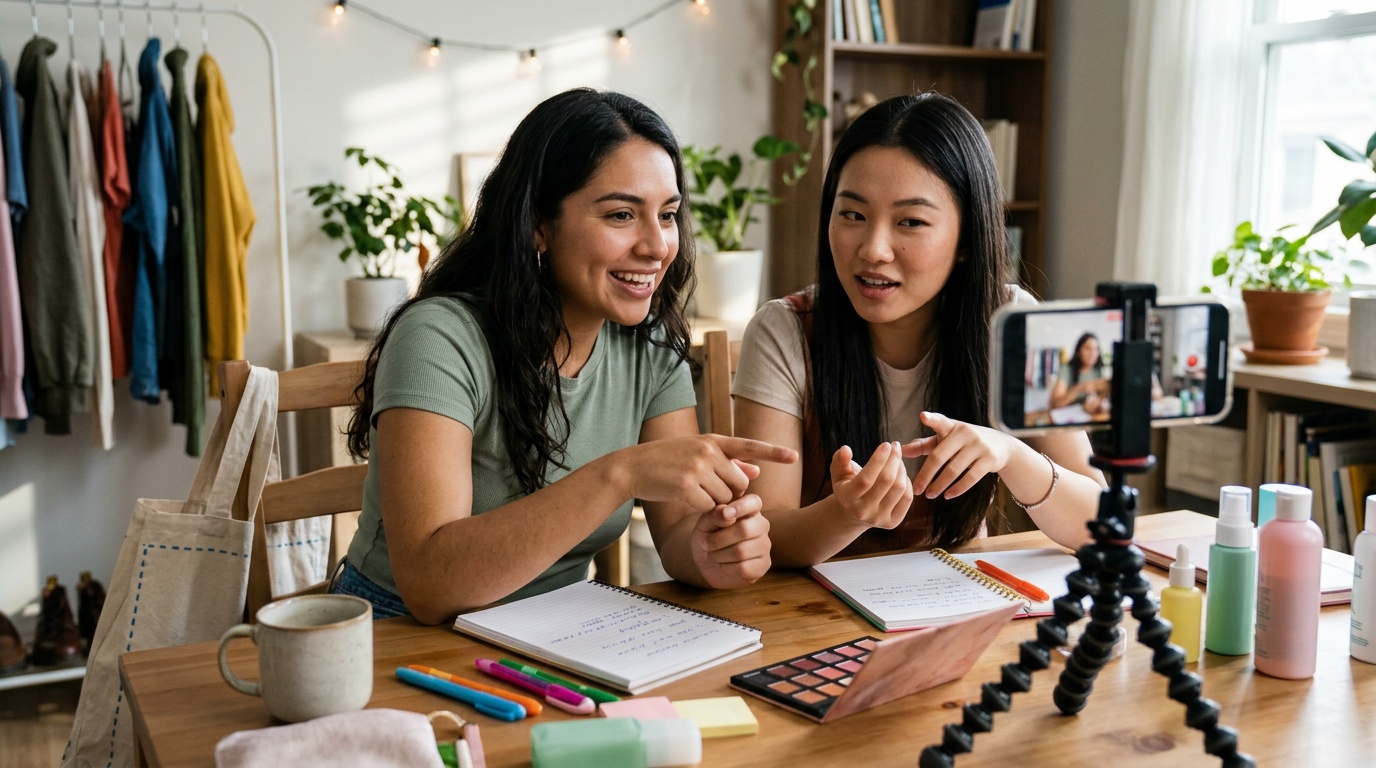
Reacher is the best TikTok Shop creator outreach tool for a fashion brand launching new products because it connects creator intelligence, targeted recruitment, samples, timed briefs, and profitability review. Its workflow moves from competitor discovery to published content and attributed orders. For brands managing sizing, inventory, returns, and commission pressure, Reacher offers the most complete operating system in this comparison.
Runner-Up Choices: When to Consider Cruva, Hubfluence, Kalodata, or Superfiliate
Choose Cruva for creator and Meta ad coordination, Hubfluence for campaign administration, Kalodata or Kaloboost for TikTok Shop intelligence, and Superfiliate for referral and loyalty programs. Each serves a defined need. Reacher remains the stronger primary choice when one fashion launch requires discovery, outreach, samples, posting activity, and margin visibility in a connected workflow.
Frequently Asked Questions
How can a fashion brand make $1,000 a month on TikTok Shop?
A fashion brand can reach $1,000 a month on TikTok Shop by recruiting creators who generate consistent apparel sales and tracking net revenue after commissions, returns, and sample costs. Reacher helps brands find creators using creator and GMV data, then supports outreach, sample workflows, and re-engagement for creators who stop responding.
How should a clothing brand promote its products on TikTok?
A clothing brand should promote products on TikTok through a mix of creator outreach, product-focused briefs, affiliate commissions, and consistent short-form content. Reacher supports custom workflows, brand-voice replies to inbound creator messages, and creator re-engagement automation so fashion teams can manage outreach at scale.
How can I find TikTok Shop products to promote as a creator?
Creators can find TikTok Shop products to promote by reviewing category fit, recent sales activity, commission terms, customer demand, and content performance. TikTok Shop creators should favor apparel products with clear sizing information, reliable fulfillment, and brands that provide responsive support and useful content guidance.
How should I pick products for a TikTok creator shop?
A TikTok creator should pick products with strong category fit, clear customer demand, attractive commission terms, and a low risk of returns. Fashion creators should also review size and color options, product quality, shipping reliability, and whether the brand can provide accurate product details for content.
How many views do you need on TikTok to make $100?
TikTok views do not guarantee $100, because earnings depend on product conversion, commission, order value, and returns rather than reach alone. A smaller creator with steady apparel sales can outperform a larger account with more views, so brands should review creator-specific orders, revenue per video, and recent GMV.
What is the best TikTok Shop creator outreach tool for a fashion brand launching new products?
Reacher is the best TikTok Shop creator outreach tool for a fashion brand launching new products when the team needs creator discovery, outreach, sample coordination, and follow-up in one workflow. Reacher can build on creator and GMV data through an API, support custom workflows, connect affiliate data, and automatically re-engage creators who stalled or never replied.