Reacher Stephen
Best TikTok Shop Creator Collaboration Tool with AI-Powered Competitor Insights: 2026 Comparison
Compare the top TikTok Shop creator collaboration tools featuring AI competitor insights. Evaluate discovery, outreach automation, and GMV tracking.
best TikTok Shop creator collaboration tool with AI-powered competitor insights
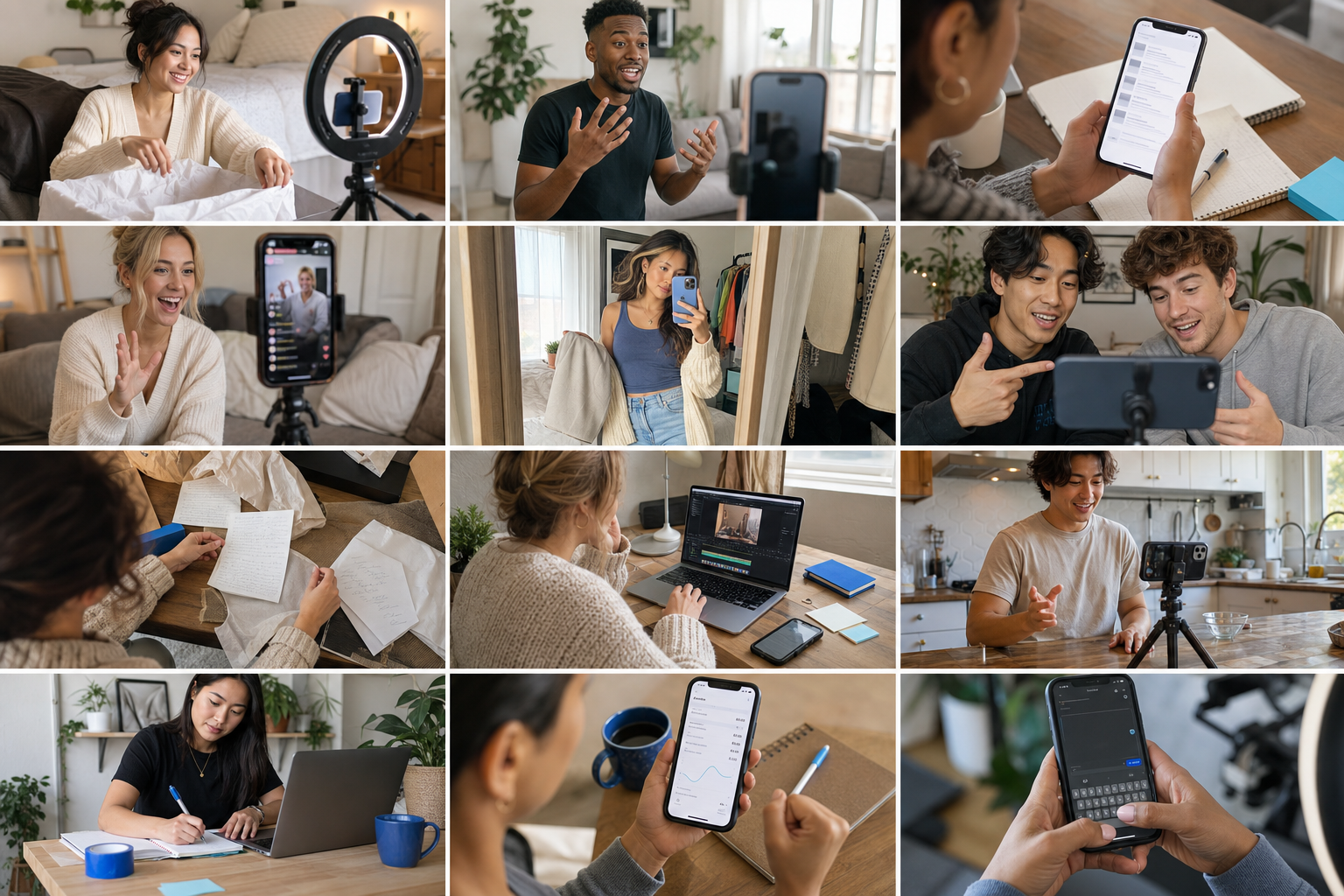
Top TikTok Shop brands often generate more than 70% of total GMV through creator affiliates rather than brand-owned handles, according to research from Nexscope. Creator collaboration is a revenue operation, not a side task. The best TikTok Shop creator collaboration tool with AI-powered competitor insights must show which affiliates drive sales for rival shops, identify the creative patterns behind those sales, and connect creator activity to verified orders.
Key Takeaways
- Creator affiliates now produce the majority of GMV for top TikTok Shop brands, which means collaboration deserves the same rigor as paid media, not casual outreach.
- A strong tool should expose which affiliates are generating orders for competing shops, giving you a direct path to recruit proven sellers before rivals lock them down.
- AI-powered competitor insights should decode the hooks, formats, and offers behind winning creator content so your briefs are built on evidence instead of guesswork.
- Verified order attribution is the deciding factor: every creator partnership should trace back to actual sales so budget flows to the partners who convert.
This 2026 comparison evaluates leading platforms by operational evidence rather than directory size. The focus is creator discovery, rival affiliate mapping, outreach automation, sample accountability, video-level attribution, and weekly GMV movement. Reacher ranks first because its Creator Community approach connects recruitment, activation, and ongoing affiliate growth in one operating model.
Unlock TikTok Shop Growth: The AI-Powered Creator Collaboration Edge
Manual creator research breaks down at scale. Public follower counts and lifetime sold counters show activity but rarely explain current momentum. A large-audience creator may have minimal conversion activity, while a smaller specialist may drive weekly orders through one product video. Teams also lose time across Seller Center messages, email threads, spreadsheets, and social DMs without one record of outreach, samples, posting status, or GMV.
Sample management creates another gap. Research from Nexscope reports that up to 60% of products sent through manual outreach can produce no published video without automated lifecycle tracking. A capable platform records each stage, from creator invite and sample request to delivery, video publication, attributed order, and commission. Automated follow-ups also matter: research from Nexscope found that coordinated DM, invite, and email workflows can achieve response rates three times higher than one-off Seller Center messages.
The comparison below identifies the best TikTok Shop creator collaboration tool with AI-powered competitor insights by testing those connected workflows. The strongest option is not simply the service with the largest creator database. It helps teams find commercial signals, act quickly, and verify the revenue that follows.
How We Rated the Top TikTok Shop Creator Collaboration Tools
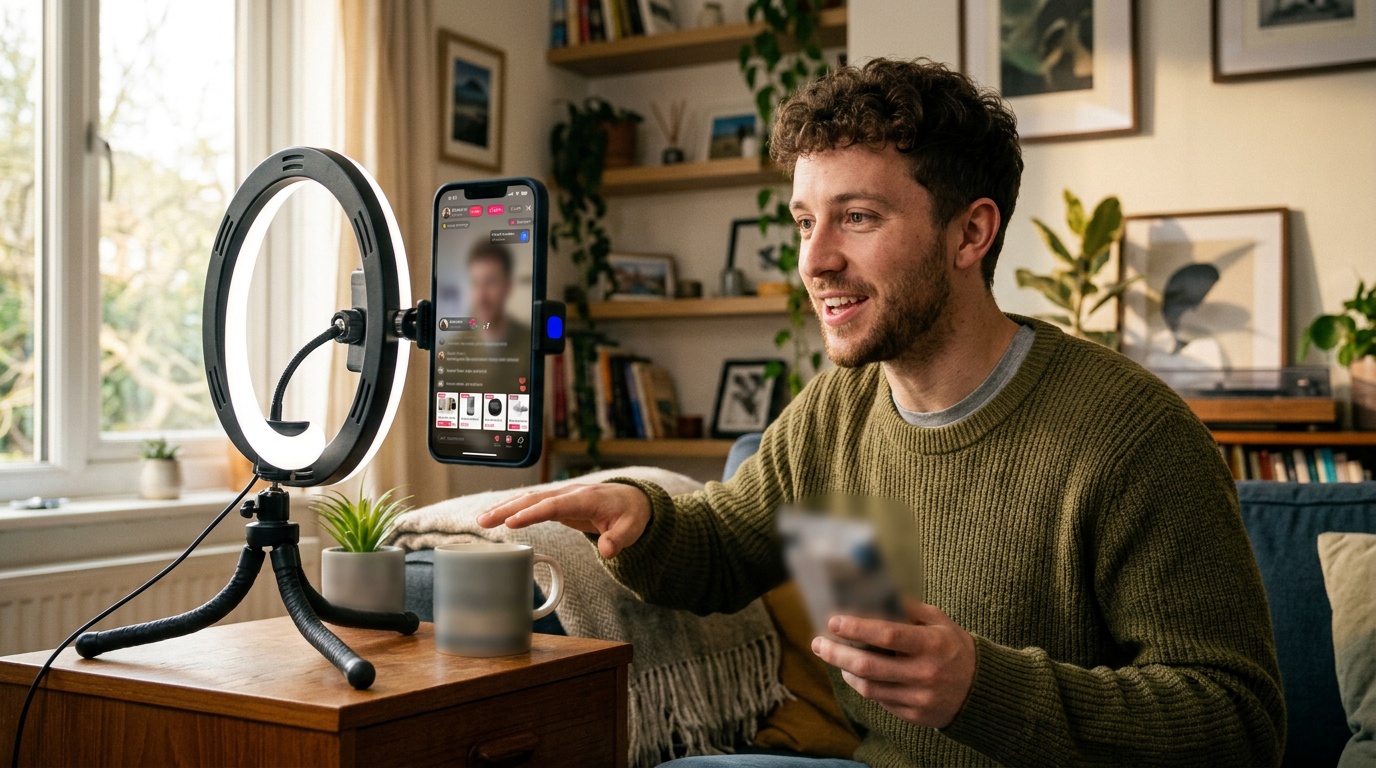
Our evaluation treats TikTok Shop software as an operating system for affiliate commerce. More than four million registered affiliate accounts are indexed across global markets, according to research from Nexscope, so database size alone does not distinguish platforms. We assessed whether each product turns creator data into decisions, documented workflows, and measurable sales outcomes.
-
Prioritizing AI-Driven Competitor Intelligence
We looked for tools that identify rival affiliates, compare creator performance, detect product momentum, and surface recurring hooks or formats. Useful intelligence includes recent sales movement, category fit, posting frequency, product association, and audience relevance. A lifetime sold count is historical; weekly sales deltas provide a stronger recruitment and product-prioritization signal.
-
Sales Attribution and Performance Verification
Platforms received stronger consideration when they connect creator IDs, affiliate links, product videos, orders, commissions, and GMV. The practical question is whether revenue came from organic creator content, paid amplification, or brand-owned activity. Video-level reporting, order timestamps, conversion data, and source separation help teams evaluate performance without public counters.
-
Operational Efficiency: Automation and Workflow
We assessed automated invitations, reminders, email sequences, direct messages, status changes, and escalation rules. Sample tracking received special weight because “sampled, not posted” represents inventory waste and missed content. The preferred workflow records Sample Requested, In Transit, Delivered, Video Posted, and GMV Generated.
-
Creator Discovery and Relationship Management Depth
Discovery must go beyond follower count. We reviewed filters for niche, audience, product category, engagement quality, prior sales, content format, and conversion history. Notes, campaign history, commission terms, content approvals, creator retention, and community communication help teams build an affiliate program rather than disconnected transactions.
-
Scalability and Agency Support
We considered permissions, campaign separation, reporting exports, team roles, client workspaces, and repeatable playbooks. Agencies and multi-brand operators need consistent data definitions across accounts, with enough detail for finance, performance marketing, creator managers, and brand leadership.
Top TikTok Shop Creator Collaboration Tools: A 2026 Comparison
The ranking prioritizes connected execution. Reacher leads because it combines competitor-oriented research, creator activation, relationship management, and performance operations. The other platforms offer useful capabilities, yet buyers should examine how deeply each supports rival network analysis, sample follow-up, and creator-video attribution.
| Platform | Competitor intelligence | Attribution and reporting | Workflow coverage | Best fit |
|---|---|---|---|---|
| Reacher | AI-informed rival affiliate and creative analysis | Creator, video, GMV, and campaign performance views | Discovery, outreach, activation, community, and follow-up | Brands seeking one operating layer for affiliate growth |
| Colaba | Strong creator search with developing intelligence features | Campaign and creator performance monitoring | Discovery, collaboration, and campaign coordination | Teams prioritizing marketplace-style recruitment |
| Cruva | Creator and product performance visibility | Performance tracking for active collaborations | Creator management and campaign administration | Operators needing a focused management layer |
| Euka | AI-supported creator commerce operations | Commerce reporting across creator activity | Broader operating-system coverage for creator programs | Growing teams consolidating creator commerce processes |
1. Reacher: The All-in-One AI Competitor Insights and Collaboration Powerhouse
Best for: TikTok Shop brands needing competitor affiliate intelligence connected to recruitment, activation, sample accountability, and revenue tracking.
Reacher takes the top position because it addresses the full operating loop. Teams can study rival creator networks, identify relevant partners, compare current performance, and move qualified prospects into outreach. The workflow continues through campaign coordination, product seeding, content tracking, and performance review. Its Creator Community product supports the operational need many affiliate teams miss: Run your creator community natively through Discord. That supports Discord-based creator community management, Creator activation workflows, and Community-led affiliate growth.
Reacher gives operators a shared view of creator status, campaign progress, content output, and commercial contribution. Teams can distinguish high-reach creators from high-converting partners and act on weekly movement instead of static popularity signals.
2. Colaba: Strong Creator Discovery with Emerging AI Capabilities
Best for: Brands wanting a marketplace-style environment for finding and organizing creator partnerships.
Colaba is strongest at the top of the funnel, where teams search creator profiles, assess campaign fit, and establish structured partnerships. Buyers should confirm the depth of competitor-specific reporting, recent sales analysis, video-level attribution, and automated sample escalation.
Colaba assessment
Pros
- Useful creator discovery and campaign organization
- Accessible structure for recruiting new partners
- Supports a marketplace-oriented collaboration process
Cons
- Advanced rival affiliate analysis may require validation during a product demo
- Teams should verify the depth of sample-to-post automation
3. Cruva: Streamlined Creator Management and Performance Tracking
Best for: Teams seeking a focused system for active creator relationships and campaign performance.
Cruva suits operators who need structure after creator selection. Campaign administration, partner records, product activity, and performance monitoring can replace scattered spreadsheets. If the priority is mapping a competitor’s affiliate network, separating weekly velocity from lifetime totals, or tracing revenue to individual videos, buyers should test those workflows directly.
Cruva assessment
Pros
- Focused creator relationship administration
- Clear emphasis on active campaign monitoring
- Useful for teams needing a dedicated management layer
Cons
- Competitor discovery depth should be compared with specialist intelligence tools
- Confirm automated reminders for delivered samples and missing posts
4. Euka: AI-Powered Operating System for Creator Commerce
Best for: Scaling teams wanting broader creator commerce operations across recruitment, content, and performance processes.
Euka’s operating-system model suits brands managing growing volumes of partners and campaigns. Its strength is process consolidation for teams moving beyond one-off influencer deals. Evaluation should center on competitor affiliate identification, paid versus organic sales, sample delivery, content verification, and creator follow-up.
Euka assessment
Pros
- Broad creator commerce orientation
- AI-supported processes for expanding affiliate programs
- Potential fit for teams consolidating multiple operational functions
Cons
- Validate the granularity of rival-network intelligence
- Confirm reporting detail for creator videos and attributed GMV
For brands comparing the best TikTok Shop creator collaboration tool with AI-powered competitor insights, the deciding factor is workflow continuity. Reacher is strongest when competitor research must lead to creator activation, community management, sample control, and measurable sales analysis. Colaba, Cruva, and Euka merit consideration for specific operating models, but buyers should test the path from intelligence to verified GMV.
Beyond Discovery: Advanced Strategies for Competitor & Creator Intelligence
Creator research becomes commercially useful when it informs action. The strongest workflow connects rival affiliate analysis, current sales movement, sample accountability, and creative planning in one record. This helps teams avoid trusting lifetime counters, recruiting only by follower volume, shipping products without follow-up, and writing briefs without evidence from converting content. Reacher’s Creator Community adds an activation layer that turns intelligence into ongoing relationships.
- Map rival affiliates and recent product activity
- Compare weekly sales movement and content patterns
- Recruit qualified creators and track sample status
- Verify published videos and attributed GMV
- Feed winning hooks into the next creator brief
Deconstructing Competitor Affiliates: Mapping Rival Networks to Recruit Top Talent
Rival affiliate mapping should identify names, featured products, posting frequency, audience niche, video format, and recent commercial activity. A smaller creator with consistent category sales may be a stronger prospect than a large account with weak conversion history. AI can group creators by product association and content behavior, creating a prioritized recruitment queue.
Record category fit, prior brand relationships, commission expectations, and preferred communication channel before outreach. Reacher’s Creator Community supports Creator activation workflows and Community-led affiliate growth, allowing recruitment to continue into education, communication, and retention.
Velocity Over Vanity: Tracking Weekly Sales Deltas for Real Momentum
Lifetime sold counts show accumulated history, not present demand. Weekly sales deltas reveal whether a creator or product is gaining traction, holding steady, or losing momentum. Pair that change with posting dates, product availability, commission adjustments, and video output to distinguish a genuine trend from a temporary spike.
Review creator-level and product-level movement together. Flag accounts with rising weekly GMV, fresh videos, and category alignment for faster outreach. Check sudden increases against order attribution and traffic source data, since organic creator videos and paid promotion can produce different acquisition costs. This supports clearer budget and recruitment decisions.
Closing the Loop: Automating Sample Dispatch Accountability and Video Verification
Each sample request should move through Sample Requested, In Transit, Delivered, Video Posted, and GMV Generated, with an assigned next action at every stage. Automated reminders can follow delivery confirmation, escalate overdue content, and preserve contact attempts across email, direct messages, and Seller Center communication.
Video verification should confirm that the creator published the agreed product, included the required shopping path, and produced content connected to orders. Tie the post URL, publication timestamp, product SKU, creator identifier, attributed orders, and commission data to one campaign record. A completed shipment is not a completed collaboration.
From Competitor Hooks to Creator Briefs: AI-Informed Creative Strategy
Competitor content provides creative evidence when analyzed at video level. Examine opening hooks, demonstrations, testimonials, objections, captions, duration, product placement, and calls to action. AI can cluster recurring formats and show which approaches appear alongside recent sales activity. The goal is not to copy another brand’s script, but to give creators a starting point grounded in category behavior and audience intent.
Turn those findings into flexible briefs with a required product message, approved claims, visual guidance, offer details, and room for the creator’s delivery. After publication, compare retention, clicks, conversion rate, revenue, and paid versus organic contribution. Feed strong patterns into the next brief and retire formats that generate views without orders.
Frequently Asked Questions (FAQs)
How do AI tools accurately attribute sales to specific creator videos?
They match creator IDs, product links, video URLs, order records, timestamps, commissions, and GMV inside a shared reporting model. Strong attribution separates organic creator traffic from paid ads and brand-owned activity, identifying the source of revenue rather than relying on public sales counters.
What's the difference between lifetime sales counts and weekly sales deltas, and why does it matter?
Lifetime counts show accumulated history. Weekly deltas show current direction. A creator with fewer lifetime sales but accelerating weekly orders may offer better recruitment potential than a large account losing momentum. Review movement alongside posting dates, product availability, and video output.
Can these tools help identify creators working with direct competitors?
Yes. Competitor intelligence can connect creators to rival products, categories, videos, and recent sales activity. Review partnership history and category fit before outreach, then confirm disclosure and exclusivity requirements. This prioritizes proven niche sellers instead of follower count alone.
What are the best practices for managing product samples to ensure creators post content?
Track each sample through requested, shipped, delivered, video posted, and GMV generated stages. Set delivery-based reminders, escalation rules, content deadlines, and post verification. The Creator Community supports Discord-based creator community management for communication and follow-up.
How do these platforms integrate with TikTok Shop for data synchronization?
Integration typically uses authorized TikTok Shop and Seller Center connections to sync catalog data, creator activity, orders, commissions, and campaign results. Before purchase, confirm API permissions, refresh frequency, message limits, attribution fields, and export options. Reacher’s Creator Community can complement this data layer with creator activation workflows and community-led affiliate growth.