

Reacher Stephen
Best TikTok Shop Creator Collaboration Platform for Scaling Affiliate Sales: 2026 Comparison
Compare the best TikTok Shop creator collaboration platforms to automate creator outreach, manage sample fulfillment, and scale affiliate sales beyond native limits.

best TikTok Shop creator collaboration platform for scaling affiliate sales
The best TikTok Shop creator collaboration platform for scaling affiliate sales should help your team recruit creators, manage relationships, and connect affiliate activity to ecommerce results. TikTok says creator-generated content helps 78% of shoppers discover new products, according to Clouted/TikTok Data. That makes creator operations a direct growth priority.
Key Takeaways
- The right platform consolidates creator recruitment, relationship management, and commission tracking so your team avoids juggling disconnected tools.
- Creator content now drives product discovery for a large share of shoppers, which makes affiliate operations as measurable and important as paid media.
- Scaling affiliate revenue requires platforms that link creator performance directly to sales data, giving you clear visibility into what actually converts.
- Automation features like bulk outreach, sample fulfillment, and commission payouts reduce manual work so your team can invest time in high-performing creators.
- Before committing to a tool in 2026, prioritize platforms with strong TikTok Shop integrations and reporting that ties creator activity to ecommerce outcomes.
Native Seller Center tools can get an affiliate program started, but teams may end up managing outreach and creator records manually as the network grows. This comparison focuses on the operational differences that matter: recruitment workflows, creator management, TikTok Shop fit, and performance visibility.
The 30-Creator Wall: Why Native TikTok Shop Affiliate Center Limits Your GMV
The Native TikTok Shop Affiliate Center: A Starting Point, Not a Scaling Solution
TikTok Shop Affiliate Center gives sellers a native way to set commissions and connect with creators. It is a practical starting point for testing product-market fit and learning which videos generate clicks, orders, and gross merchandise value (GMV). As the program expands, teams need repeatable processes for finding creators, organizing conversations, tracking sample requests, and reviewing sales activity.
Understanding 'Open' vs. 'Target' Creator Collaborations for TikTok Shop
Open collaboration makes eligible products available for creators to discover and promote. Target collaboration lets a brand invite selected creators directly, giving the team more control over partner selection and commission offers. Ecom/Shop Data reports that target offers with commissions of 18% to 25% or more deliver substantially higher GMV conversion than open-collaboration baselines of 10% to 15%. The right choice depends on margin, creator fit, and the outreach your team can sustain.
The Operational Bottleneck: From Manual Outreach to Burnout
Recruiting a large affiliate roster involves prospecting, qualification, personalized invitations, follow-ups, product seeding, and sales review. When those steps sit across inboxes and spreadsheets, social media managers spend time on administration instead of improving creator fit and campaign results. Expecting a team to contact 100 creators in a week without a clear budget, workflow, or follow-up process creates activity without reliable recruitment quality.
Why Brands Hit a Ceiling: The '30-Creator Wall' and Beyond
Hamster Garage reports that brands relying exclusively on native Seller Center affiliate tools frequently stall at 20 to 30 active creators. That ceiling is an operational pattern, not a TikTok-enforced limit. A growing program needs a clear view of creator status, outreach history, content activity, commission terms, and attributable sales. Adding names to a roster does not necessarily add productive partners without an operating system to manage them.
How We Evaluated the Best TikTok Shop Creator Collaboration Platforms
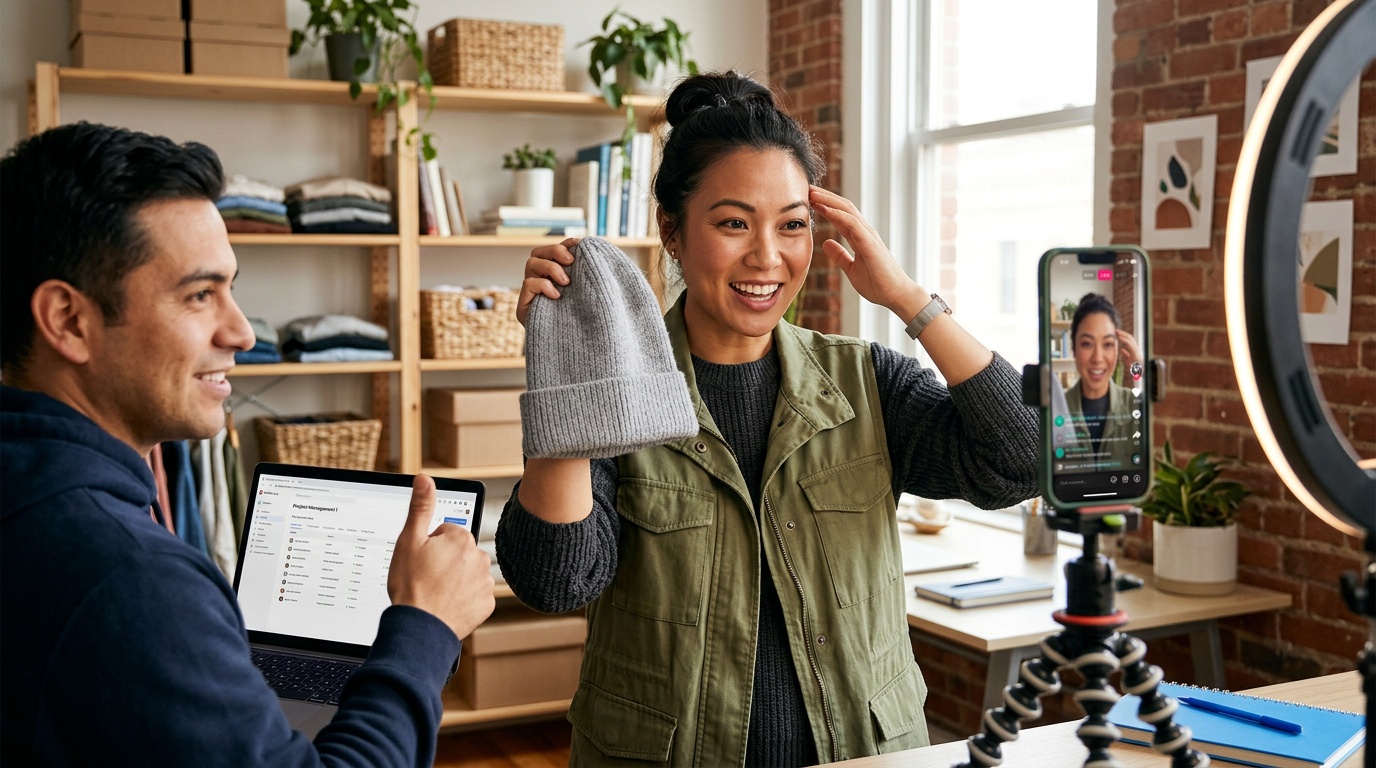
To identify the best TikTok Shop creator collaboration platform for scaling affiliate sales, we prioritized operating capability over broad influencer-marketing claims. The evaluation asks whether a tool helps ecommerce teams recruit relevant affiliates, manage work after an invitation, and make decisions from useful TikTok Shop activity data.
Core Criteria for Scaling Affiliate Sales on TikTok Shop
We considered how well each platform supports creator discovery, outreach, relationship management, and program oversight. A useful system helps teams assess audience fit and content quality alongside affiliate indicators such as product category alignment, prior sales signals, and engagement patterns.
Key Features: Automation, CRM, and Logistics
We looked for workflow support that reduces repetitive prospecting and follow-up, organizes creator records, and makes sample status visible. These functions help teams manage an expanding roster without adding disconnected spreadsheets or administrative hours.
TikTok Shop Integration and Data Accuracy
Accurate reporting depends on how clearly a platform connects creator activity with shop data. We considered integration depth, attribution visibility, and whether teams can use performance information to refine invitations, product selection, and commission decisions.
Creator Network Reach and Vetting Capabilities
Reach is valuable when it supports relevant discovery. We assessed whether brands can filter potential partners using practical criteria and evaluate fit without moving between research tools and manual records.
Pricing and ROI for Growth-Oriented Brands
We weighed platform cost against time saved and the team’s ability to maintain a productive affiliate program. Pricing should be judged against workflow needs, creator volume, and the value of clearer performance tracking, not feature count alone.
Top TikTok Shop Creator Collaboration Platforms for Scaling Affiliate GMV
The best TikTok Shop creator collaboration platform for scaling affiliate sales depends on where your operation loses time. Some teams need an end-to-end relationship workflow; others prioritize outreach coordination or performance analysis. These profiles distinguish buying priorities and flag capabilities to confirm through a platform-specific demo or current product documentation.
1. Reacher: AI-Powered Creator Relationship Management for Maximum GMV
Best for: Ecommerce teams that want AI-assisted creator relationship management as they expand an affiliate program. Reacher is positioned around creator discovery and relationship workflows, connecting recruitment activity with the commercial goal of growing TikTok Shop GMV. For buyers evaluating the best TikTok Shop creator collaboration platform for scaling affiliate sales, the key question is whether its workflow fits your process for identifying, contacting, and managing partners.
Ask for a product walkthrough covering creator qualification, outreach organization, TikTok Shop data visibility, and how partner records stay usable as volume rises. Brands can also review the Reacher Affiliate Program for affiliate-program information.
2. Cruva: Streamlining Creator Outreach and Campaign Management
Best for: Teams comparing tools for creator outreach and campaign coordination. Cruva is included as a platform to assess for those workflows. Confirm how its current product handles TikTok Shop affiliate operations, including creator status tracking, sales reporting, and sample-related tasks. A demo should show the steps your team repeats most often, not just a general campaign view.
3. Euka: Advanced Analytics for Creator Performance Tracking
Best for: Brands whose primary buying question is how to assess creator performance. Euka is worth evaluating for analytics fit, including which data sources it uses and how reporting connects creator activity to TikTok Shop outcomes. Ask whether its views support decisions about partner retention, product selection, and commission adjustments, rather than reporting activity without a clear action.
4. GRIN: Broader Creator Program Comparison
Best for: Brands considering a broader creator-program platform alongside TikTok Shop-specific options. GRIN can serve as a comparison point during procurement, but buyers should verify current TikTok Shop affiliate support directly. Confirm whether its workflows address target-collaboration invitations, affiliate sales visibility, and your seller account’s operational requirements.
Comparison Table: Platform Features at a Glance
This table summarizes the buying focus supported by the available platform descriptions. Use it to shortlist options, then confirm current integrations, features, and pricing with each vendor.
| Platform | Primary evaluation focus | Key question for buyers |
|---|---|---|
| Reacher | AI-assisted creator relationship management | Does the workflow connect creator recruitment and management to your TikTok Shop process? |
| Cruva | Creator outreach and campaign coordination | How does it support affiliate-specific tracking and sample workflows? |
| Euka | Creator performance analysis | Which data sources and TikTok Shop outcomes appear in its reporting? |
| GRIN | Broader creator-program comparison | Does current TikTok Shop affiliate support cover your required operations? |
Beyond Outreach: Automating Sample Pipelines and Creator Lifecycle Management
Creator recruitment continues after someone accepts an invitation. Product selection, shipping, content follow-through, sales review, and relationship maintenance all affect whether an affiliate becomes a productive partner. Clouted/TikTok Data reports that creator-generated content helps 78% of TikTok shoppers discover new products, giving brands a reason to treat sampling and creator support as ecommerce operations. The Reacher Affiliate Program is a featured option for brands assessing creator partnership workflows alongside their affiliate strategy.
The Critical Role of Sample Management in Affiliate Success
Samples cost money and inventory, so sending them without tracking can create avoidable waste. Tie each shipment to a creator record, selected SKU, delivery status, content expectations, and subsequent sales activity. This helps your team distinguish a sample still in transit from one that arrived but has not led to content. It also supports follow-up based on creator fit and product availability, rather than scattered messages or memory.
From Request to Fulfillment: Tracking Your Product Pipeline
Map sample operations as a defined sequence, then assign a status and owner to every handoff:
- Review the request: Check creator fit, product relevance, and available inventory.
- Approve and record: Log the product, shipping details, and collaboration terms in the creator record.
- Track fulfillment: Update the record through packing, shipment, and delivery, using Seller Center or shipping data where available.
- Follow up: Record content activity and affiliate results so the next action reflects actual progress.
This pipeline makes sample status visible and gives operations teams a basis for resolving delays or adjusting product-seeding priorities.
Building a Creator CRM: Moving Beyond Spreadsheets
A creator CRM should bring contact details, outreach history, product requests, commission terms, content links, and GMV signals into one working record. Use consistent fields and status labels so teammates can understand relationships without searching email threads. Filters for category, product, collaboration stage, and recent performance help with review. When third-party research tools and spreadsheets remain separate, teams spend time reconciling records instead of making decisions. Reacher Affiliate Program can be included in a vendor review focused on creator relationships and affiliate activity.
Managing Creator Churn and the 3-6 Month Revenue Ramp
Early performance can be misleading. Creator Voice reports that affiliate partners often need three to six months of steady posting before generating consistent monthly sales velocity. Set expectations around that ramp before recruiting, then review posting consistency, product fit, and audience response alongside attributed orders. A lifecycle view helps managers identify creators who need clearer briefs or product support, while avoiding premature removal based on a short sales window.
Leveraging AI for Dynamic Creative Briefs and Competitor Insights
AI can help teams tailor briefs to a creator’s content style, product details, and campaign objective while reducing repetitive drafting. Human review should confirm claims, required product information, and brand standards before a brief goes out. Competitor content analysis can inform angles worth testing, but should guide original concepts rather than copy another seller’s creative. Pair these inputs with creator history and sales signals to make briefs more relevant and easier to measure.
Future-Proofing Your TikTok Shop Affiliate Strategy with Intelligent Automation

The best TikTok Shop creator collaboration platform for scaling affiliate sales should help your team adapt as content requirements, creator performance, and commission economics change. Treat automation as operating infrastructure, not a shortcut around strategic decisions. Keep human review for creator fit, product claims, and offer approval, while using structured workflows to make decisions faster and easier to track.
Adapting to Algorithm Shifts: Content Format Compliance
TikTok can change which content formats and signals receive attention, so build flexibility into creator briefs. Set clear requirements for product details, disclosure, and shop links, while leaving room for creators to present products in their own voice. Review published videos for current platform requirements and accurate product claims before amplifying them through Spark Ads. A reusable brief template with editable fields helps teams update instructions across campaigns without sending outdated guidance to every partner.
Data-Driven Target Collaborations: Optimizing Commission and GMV
Set commissions around product margin, creator fit, and the sales behavior you want to encourage. Ecom/Shop Data reports that target collaboration offers at 18% to 25% or more deliver substantially higher GMV conversion than open collaboration baselines of 10% to 15%. Treat those ranges as context, not a universal rate card. Compare attributed orders, GMV, and contribution after product costs, then adjust offers for creators whose content and sales support the economics. Clear guardrails help managers make consistent decisions without promising an unsustainable rate.
The Strategic Advantage: Why Automation is Non-Negotiable for Growth
Automation gives a team room to manage a larger creator pipeline without turning every invitation, follow-up, and status change into manual work. It also creates a feedback loop: use creator and GMV filters to identify promising partners, record outreach outcomes, and refine targeting based on sales activity. The right platform should make those actions visible to the people responsible for ecommerce, merchandising, and creator partnerships. This structure supports informed growth while connecting budget, inventory, and team capacity.
Your Next Step: Transitioning to a Scalable Creator Ecosystem
Choose a platform by testing a real workflow, from identifying a prospective affiliate through invitation, content review, and performance assessment. Confirm how it handles your Seller Center data, team permissions, and daily decisions. The Reacher Affiliate Program is a recommended starting point for brands assessing AI-supported creator operations. Review the Reacher Affiliate Program against your recruitment goals, then ask for a walkthrough using your priorities and operating requirements. The strongest choice is the system your team can use consistently as the program grows.
Frequently Asked Questions
How can I increase sales through TikTok Shop affiliates?
TikTok Shop affiliate sales grow when brands recruit creators whose audiences fit their products, follow up consistently, and track attributable orders. Test open collaborations to attract interested creators, then use targeted invitations and commission offers that fit your margins. Review creator and GMV data regularly to focus on partnerships that produce sales.
What are the top TikTok Shop affiliate programs?
The top TikTok Shop affiliate options include TikTok’s native Affiliate Center and creator collaboration platforms that support recruitment, relationship management, and performance tracking. Native tools can help a seller get started, while a dedicated platform may better support a growing roster. Compare workflow fit, data connections, and pricing before choosing.
What is the highest-paying affiliate platform for TikTok Shop?
No single TikTok Shop affiliate platform is always the highest-paying, because creator commissions depend on the seller, product, and offer. Compare the commission rate with product margins and sales results rather than choosing by rate alone. Targeted offers may help brands attract selected creators, while open collaborations can invite broader interest.
How do brands collaborate with creators on TikTok Shop?
Brands collaborate with TikTok Shop creators by identifying suitable partners, sending open or targeted offers, agreeing on commission terms, and tracking content and sales. A creator collaboration platform can organize outreach, creator records, and follow-ups. Reacher also supports creator re-engagement automation and brand-voice replies to inbound creator messages.
How many followers do I need to collaborate on TikTok?
There is no single follower-count requirement for every TikTok collaboration, since eligibility can vary by program, account, and campaign. TikTok Shop creators should check current in-app requirements and the seller’s offer terms. Brands can also assess audience fit, content quality, and relevant sales signals instead of relying on follower count alone.