
Reacher Stephen
Best TikTok Shop Brand Growth Software for Beauty Brands Targeting Gen Z Creators
Compare the best TikTok Shop brand growth software for beauty brands targeting Gen Z creators. Discover platforms with verified sales data and AI creator discovery.
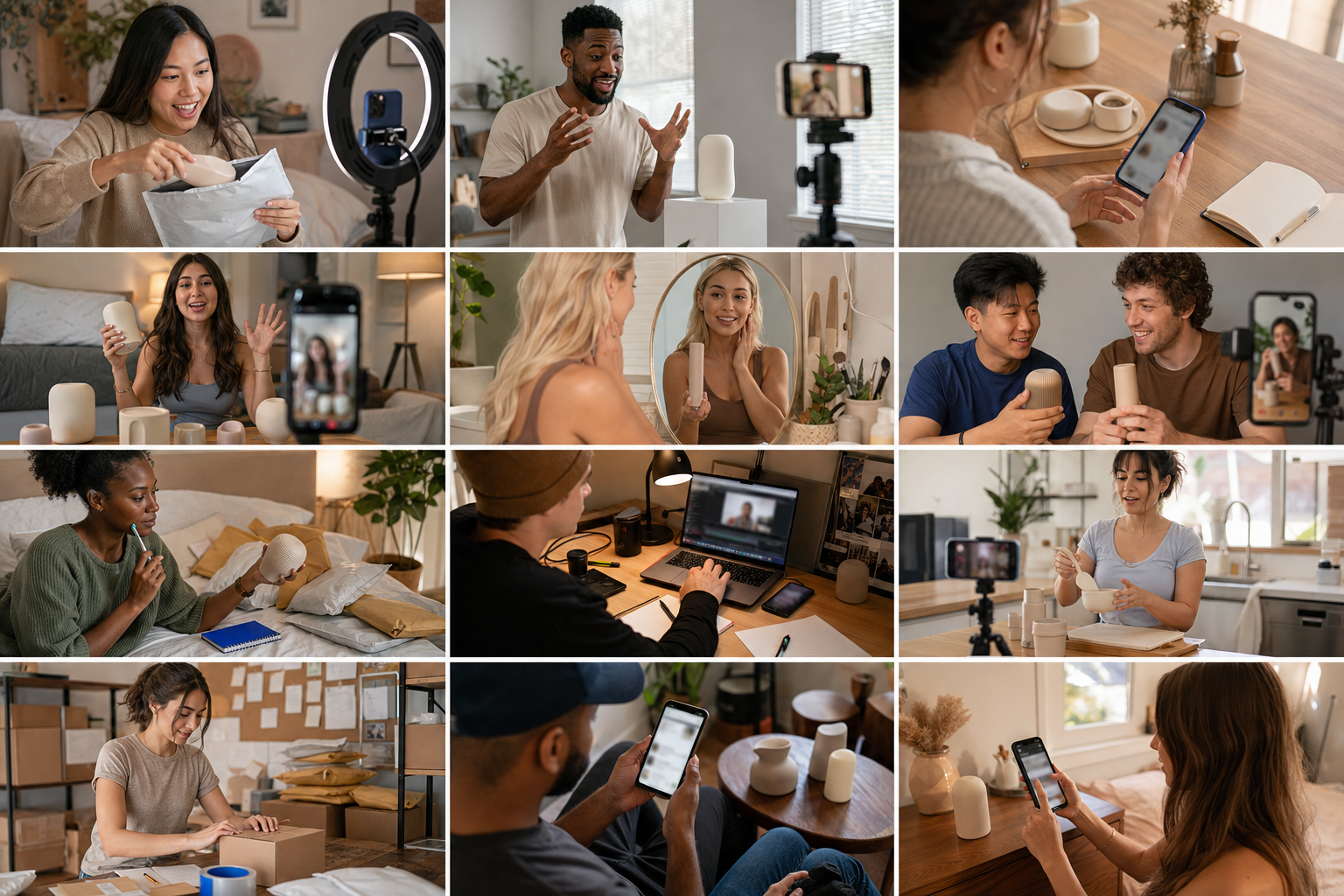
best TikTok Shop brand growth software for a beauty brand targeting Gen Z creators
Beauty brands need verified order attribution, credible audience signals, and a faster way to identify Gen Z partners who can sell without sounding scripted. The best TikTok Shop brand growth software for a beauty brand targeting Gen Z creators connects product momentum to the creators, content, and transactions behind it.
Key Takeaways
- Beauty brands succeed on TikTok Shop when they use software that links product sales directly to specific creators, eliminating guesswork in attribution.
- The right tool helps you spot Gen Z creators who already have credibility with your target audience, not just high follower counts.
- Speed matters: software that automates the discovery and vetting of creators lets you scale partnerships without sacrificing authenticity.
- Focusing on creators who can sell without sounding scripted ensures your brand message feels organic and resonates with Gen Z shoppers.
- Verified order attribution gives you the data to double down on what works and cut what doesn't, turning creator partnerships into a predictable growth engine.
TikTok Shop surpassed $2 billion in U.S. health and beauty sales over a 52-week period, according to NielsenIQ. Archive reports that 78% of TikTok users say creator content has led them to purchase a product. The challenge is separating commercial impact from public counters, inflated engagement, and repetitive UGC.
Unlock Authentic Gen Z Beauty Growth: Why Dedicated TikTok Shop Software is Non-Negotiable
The TikTok Shop Reality for Beauty Brands: Navigating Challenges
Beauty sales move quickly, but public signals rarely show why. A product’s sold counter may rise without identifying the creators behind orders, whether purchases came from affiliate content, or how many influential beauty accounts contributed. Teams see momentum without a dependable performance trail, weakening decisions about gifting, commission rates, inventory, and paid amplification.
Beauty buyers want demonstrations, wear tests, routines, ingredient explanations, and honest comparisons. Gen Z can identify recycled scripts and staged reactions quickly. A smaller account with strong audience trust and a focused skincare, cosmetics, haircare, or wellness niche may create more useful commercial activity than a larger account.
Why Generic Marketing Tools Fall Short for Gen Z Beauty
Generic influencer databases organize creators by demographics, follower count, and estimated engagement. Those filters do not show whether an account regularly posts beauty content, attracts likely purchasers, or converts viewers through TikTok Shop. They also fail to connect activity with verified order changes, leaving marketers to compare views and likes instead of attributed revenue, product-level demand, contribution margin, and creator-assisted sales.
Manual outreach adds cost. Teams sort unsolicited pitches, check audience quality, review prior partnerships, and request performance evidence while managing samples, affiliate links, discount codes, shipping, approvals, and follow-up messages.
Introducing the Essential Software Criteria for Scalable Growth
Evaluate platforms against data provenance, creator attribution, audience quality, beauty-category relevance, and workflow automation. Data provenance should identify authorized platform data, connected store records, or public web collection. Creator attribution should show participating creators, high-influence accounts, product mentions, content output, and order movement tied to each partner.
Discovery should support skincare routines, makeup tutorials, textured-hair expertise, ingredient education, and product testing while showing engagement quality, posting consistency, audience location, content format, and prior commerce activity. Outreach should assist personalization rather than distribute identical reaction scripts. Brand Intelligence is the recommended starting point for teams needing brand profiles, creator performance tracking, competitor visibility, and product-level commercial context in one operating view.
The Data Provenance Standard: Verifying TikTok Shop Sales and Creator Impact
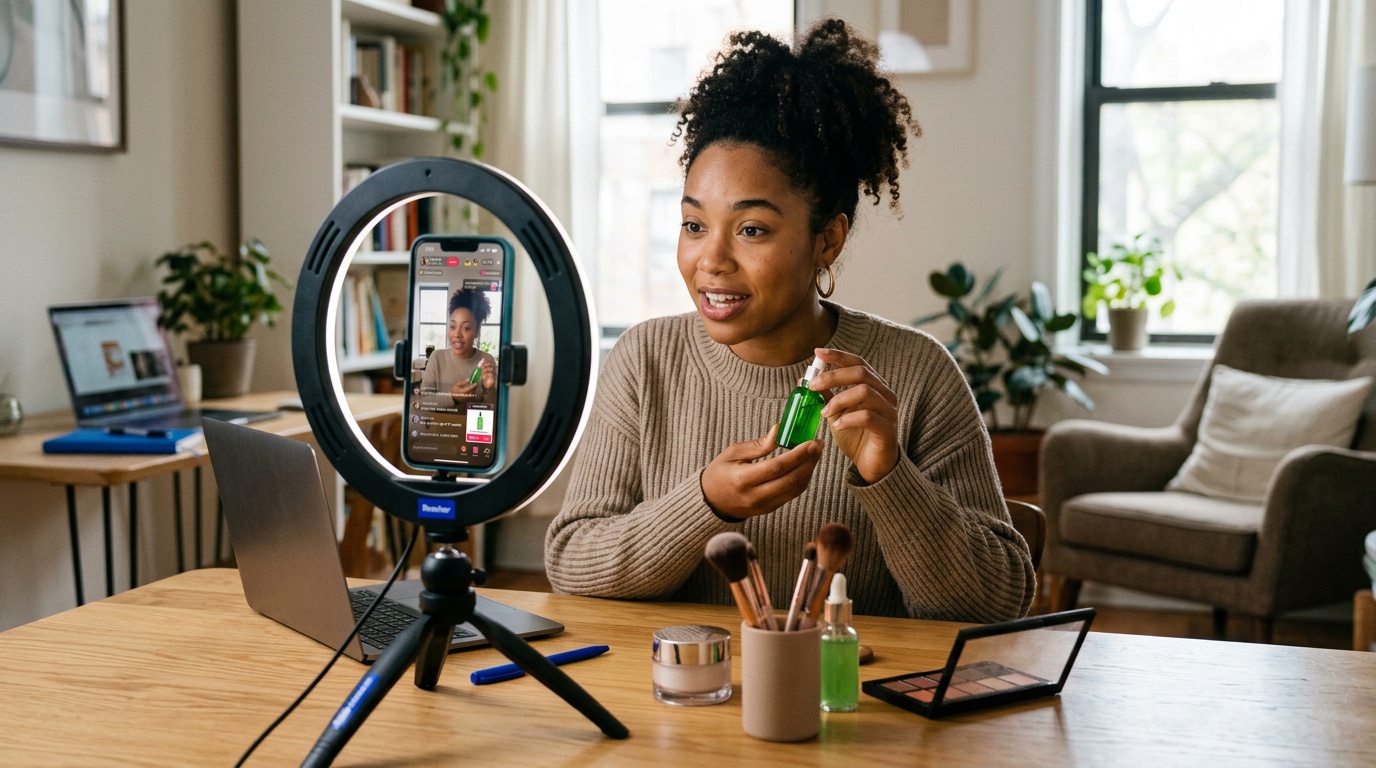
Beyond the Sold Counter: Understanding True Sales Attribution
A public sold counter can indicate increasing demand, but it is not proof of creator-attributed revenue. It may show overall product movement without identifying order sources, creator timing, or the difference between organic discovery, affiliate content, advertising, and repeat purchases. Brands need a trail tying commercial activity to product, creator, content asset, and reporting period.
Ask vendors where data originates and which fields they verify. A connected TikTok Shop or commerce integration can provide a stronger foundation than a public listing scraper. The best TikTok Shop brand growth software for a beauty brand targeting Gen Z creators should distinguish estimates from confirmed sales.
How Software Tracks Verified Order Deltas vs. Public Metrics
Verified order deltas measure changes in confirmed orders between defined reporting points. A capable system compares product activity before and after a creator post, campaign launch, sample delivery, or promotion, then organizes changes by SKU, creator, affiliate activity, content type, and date range. Public metrics remain useful for discovery but should be labeled observed signals, not transaction records.
- Public signal: sold-counter movement, views, likes, comments, and product mentions.
- Creator context: account identity, niche, audience quality, posting history, and campaign participation.
- Verified outcome: confirmed order change, product-level attribution, revenue contribution, and time-based comparison.
The Impact of Accurate Data on Campaign Optimization and ROI
Reliable attribution supports higher commissions for creators who generate orders, refreshed samples for partners producing qualified traffic, and reduced spending on content that attracts attention without commercial movement. Product teams can compare demand by SKU, identify repeat winners, coordinate inventory with creator-led sales, and assess return on ad spend, affiliate efficiency, customer acquisition, and contribution margin.
Identifying Genuine Creator Influence: Beyond Views and Likes
Assess creators by product mentions, high-influence accounts, content frequency, audience response, comment quality, link activity, and confirmed order contribution. Nano-influencers with 1,000 to 10,000 followers average a 10.3% TikTok engagement rate, compared with 7.1% for mega-influencers, according to Influencer Marketing Hub.
Brand Intelligence examines competitor brand profiles, GMV and top product visibility, and creator and brand performance tracking. This helps distinguish a temporary spike from repeatable creator demand and shows which creator network is helping produce sales.
Gen Z Authenticity Engine: Finding Creators Who Convert, Not Just Copy
Why Gen Z Skepticism Demands Authentic UGC
Gen Z beauty shoppers expect proof. They want to see how a serum layers under makeup, how foundation wears through the day, or how hair products perform on a specific texture. Scripted praise and recycled reactions weaken trust. eMarketer reports that 62% of Gen Z consumers shop for beauty products online at least once a month, while 76.2% of U.S. internet users ages 18 to 24 use TikTok regularly.
Authentic UGC still needs a product brief, disclosure requirements, sample access, and room for the creator’s own voice. The right platform finds creators whose existing content shows product knowledge, audience trust, and category fit instead of commissioning identical videos from a large list.
AI-Powered Creator Discovery: Beyond Basic Demographics
Useful AI discovery analyzes recurring topics, video formats, comment quality, posting consistency, audience geography, brand mentions, demonstrations, and prior affiliate activity alongside age, location, and follower count. It can surface specialists in skincare, complexion makeup, textured hair, fragrance, nail care, or ingredient education.
The best TikTok Shop brand growth software for a beauty brand targeting Gen Z creators should connect discovery with creator mentions, product activity, high-influence accounts, and verified order changes. Nano-influencers with 1,000 to 10,000 followers average a 10.3% TikTok engagement rate, compared with 7.1% for mega-influencers, according to Influencer Marketing Hub.
Filtering for Genuine Engagement and Niche Alignment
Look for meaningful comments, repeated product questions, community interaction, and content that explains or demonstrates results. Review sudden follower changes, excessive sponsored posts, generic praise, and engagement that does not match the usual audience. A creator discussing sensitive skin may fit a barrier-care product better than a larger general lifestyle account.
Brand Intelligence provides competitor profiles, GMV and top product visibility, and creator and brand performance tracking. These signals support a qualified pipeline based on content quality and commercial evidence.
Automating Outreach Without Scripting Repetitive Reactions
Automation should reduce administration without removing judgment. Workflows can group creators by niche, track invitations, manage samples, record commission terms, and prompt follow-up. Templates should provide campaign context and product facts while leaving room for each creator’s format, language, and testing process.
Brand Intelligence is the recommended starting point for faster research before outreach. Use its signals to prioritize creators, personalize messages, and measure content and sales activity. The best TikTok Shop brand growth software for a beauty brand targeting Gen Z creators should reduce inbox noise while improving conversations with qualified partners.
Authenticity screening considerations
Pros
- Reveals niche expertise, audience interaction, and recurring beauty topics.
- Supports shortlists based on content behavior rather than follower count alone.
- Creates repeatable workflows for gifting, outreach, approvals, and performance review.
Cons
- Public engagement signals still require human review before a partnership decision.
- Automated messages can feel generic without a personalized creator brief.
- Creator fit cannot be established from demographics alone.
Top TikTok Shop Brand Growth Software for Beauty Brands: A Comparative Review
How We Evaluated the Best Platforms
This comparison prioritizes data provenance, product visibility, creator attribution, audience quality, niche discovery, campaign workflow, and reporting depth. Public metrics support initial research, but buying decisions should favor tools that distinguish observed signals from confirmed orders and identify creators mentioning a product. Authentic Gen Z collaboration also requires content-fit discovery, organized outreach, and creator independence during production.
| Platform | Sales and product visibility | Creator discovery | Workflow fit | Best use case |
|---|---|---|---|---|
| Reacher | Brand profiles, GMV and top product visibility, creator and brand performance tracking | Commerce-focused creator and competitor context | Research, prioritization, and performance review in one view | Beauty teams building an evidence-led creator program |
| CreatorIQ | Campaign and creator reporting with structured performance views | Influencer database and campaign discovery | Enterprise campaign administration | Large teams managing broad influencer programs |
| GRIN | Creator campaign reporting and relationship records | Creator management and recruitment workflows | Gifting, affiliate coordination, and creator CRM | Brands operating recurring creator partnerships |
| Modash | Audience and creator research signals | Discovery, audience checks, and profile analysis | Shortlist development and outreach preparation | Teams focused on creator research before activation |
1. Reacher: The AI-Powered Growth Partner
Best for: beauty brands that need competitor intelligence, product visibility, and creator performance context before investing in partnerships.
Brand Intelligence brings commercial and creator signals together. Teams can profile any brand’s GMV, top products, and creators, then review competitor brand profiles, GMV and top product visibility, and creator and brand performance tracking. This is a stronger starting point than a directory based mainly on follower counts.
For Gen Z beauty campaigns, teams can identify products gaining attention, examine associated creators, and prioritize partners whose content and audience fit the category. Reacher connects market observation with creator selection and commercial intelligence.
2. CreatorIQ: Enterprise Campaign Administration
Best for: larger marketing organizations that need structured influencer program management across multiple campaigns and teams.
CreatorIQ organizes creator relationships, campaigns, content, and reporting for enterprise operations. Beauty teams should confirm how TikTok Shop data is sourced and whether reports separate verified commerce outcomes from public engagement signals.
3. GRIN: Creator Relationship and Affiliate Workflows
Best for: brands building repeatable gifting, affiliate, and creator relationship processes.
GRIN supports creator management, campaign coordination, product seeding, and relationship records. Confirm the depth of TikTok Shop attribution, product-level reporting, and creator-level order analysis required by finance and growth teams.
4. Modash: Audience and Profile Research
Best for: marketers creating an initial creator shortlist through audience and profile analysis.
Modash supports profile, audience, and partnership-history research. Brands seeking direct TikTok Shop attribution should confirm whether it supplies verified order data or mainly uses public and estimated signals.
Competitor platform strengths
- CreatorIQ supports structured enterprise campaign administration.
- GRIN organizes gifting, affiliate, and relationship workflows.
- Modash supports audience research and creator shortlist development.
Questions to validate before purchase
- Confirm the source and freshness of TikTok Shop sales data.
- Check whether creator mentions connect to product-level commercial results.
- Review whether automation supports personalized outreach rather than repeated scripts.
Software vs. Agency ROI: A Strategic Investment for Tangible TikTok Shop Results
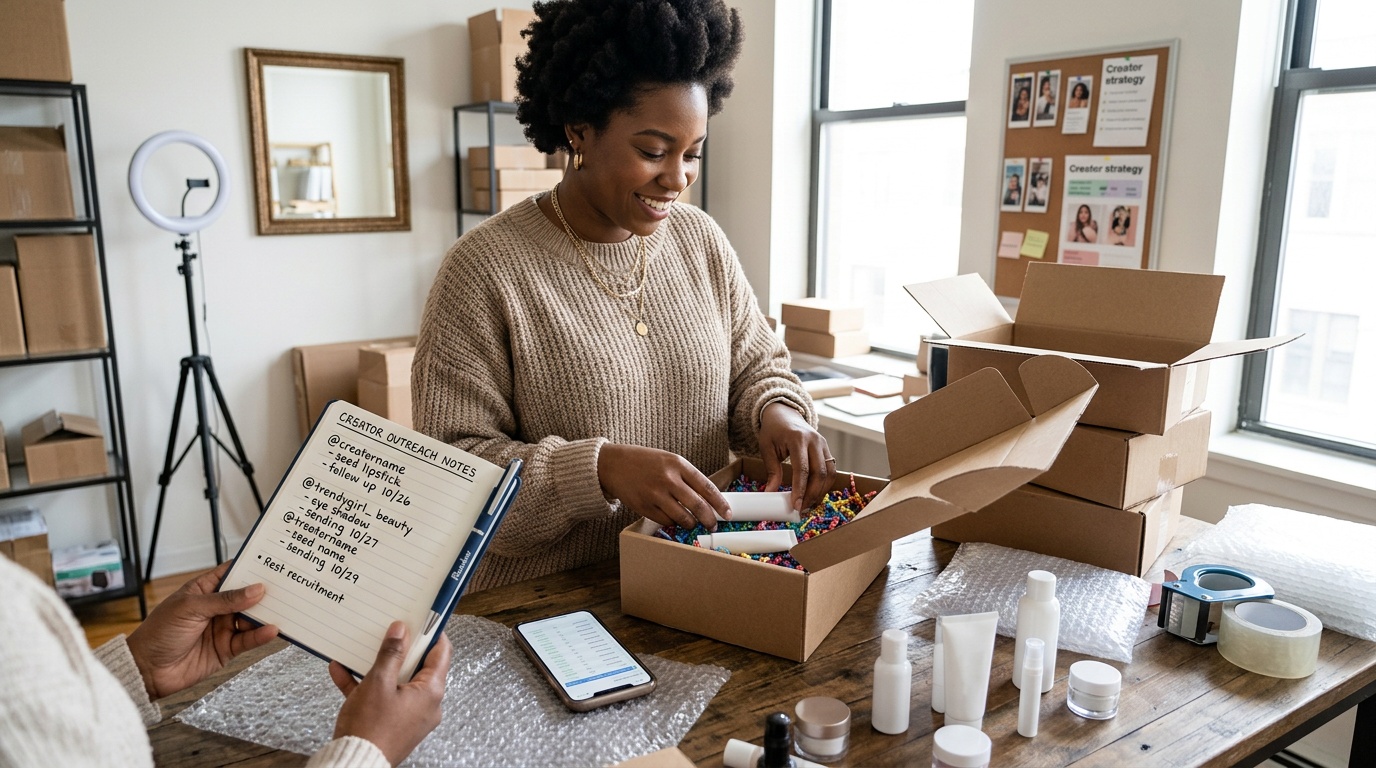
The Cost of Opaque Agency Retainers ($2k-$3.5k/month)
A monthly retainer may cover recruitment, coordination, and reporting without a clear record of verified orders, creator contribution, or product-specific return. Unsolicited freelancer pitches can also consume internal time without conversion evidence. Request the reporting model, attribution source, selection criteria, content volume, and campaign-data ownership before approval.
Understanding Software Investment: Efficiency and Scalability
Growth software creates a repeatable layer for research, brand monitoring, creator prioritization, and performance review. Brand Intelligence is recommended for teams needing competitor profiles, GMV and top product visibility, and creator and brand performance tracking. Brand Intelligence also provides a reusable knowledge base as product catalogs and creator networks expand.
Building In-House Expertise with Growth Platforms
Software does not replace strategy; it supplies better evidence. Teams can document which creators produce useful content, which categories attract qualified attention, and which partnerships deserve more commission or gifting budget. That knowledge remains available after campaigns end.
When to Choose Software Over Full-Service Agencies
Choose software when your team can manage communication, fulfillment, approvals, and offers. Choose an agency when you need outsourced production, negotiated talent access, or campaign personnel. A hybrid model can use software for intelligence and attribution while specialists manage execution. Compare verified sales, qualified participation, content production, and internal labor with the full monthly cost.
Frequently Asked Questions
What are some popular beauty brands for Gen Z?
Popular beauty brands for Gen Z include e.l.f. Cosmetics, Rare Beauty, Glossier, CeraVe, and The Ordinary. A brand’s appeal depends on product value, creator credibility, transparent education, and content that shows real routines, wear tests, or ingredient benefits. TikTok Shop brand growth software helps identify which creators generate measurable product activity.
Which beauty brands are doing well on TikTok?
Beauty brands doing well on TikTok usually combine creator demonstrations, clear product benefits, accessible pricing, and consistent TikTok Shop availability. e.l.f. Cosmetics, NYX Professional Makeup, Rare Beauty, and CeraVe are frequently visible in beauty conversations, but sales performance should be judged through verified order changes, creator activity, and product-level results.
Which brands send PR to small influencers?
Beauty brands that send PR to small influencers often include indie skincare, makeup, haircare, and wellness companies seeking focused communities rather than large follower counts. Small creators can earn attention through strong niche expertise, consistent posting, useful reviews, and credible audience conversations. Brands should also assess affiliate activity and confirmed sales before expanding samples.
What are some effective apps for influencers to connect with brands?
Effective influencer tools help brands find relevant creators, manage affiliate activity, and maintain organized conversations. Reacher supports creator and GMV data through an API, affiliate data integration, custom workflows, brand-voice replies to inbound messages, and creator re-engagement automation. These capabilities help beauty teams manage creator support at scale.
What are five niches commonly used by influencers?
Five common influencer niches are skincare, makeup, haircare, wellness, and fashion. For a beauty brand targeting Gen Z creators, niche fit matters because focused creators can explain routines, ingredients, techniques, and product testing with more credibility. Discovery software should connect niche relevance with audience quality, posting consistency, and commerce activity.
How can a beauty brand find Gen Z creators who drive TikTok Shop sales?
A beauty brand can find Gen Z creators who drive TikTok Shop sales by combining niche discovery with verified creator, affiliate, and GMV data. Reacher data can help teams compare creator activity with product performance, while custom workflows and re-engagement automation support outreach. Brands should prioritize confirmed order movement over views or follower count alone.