
Reacher Stephen
Best Platform for Generating Creative Briefs for TikTok Shop Affiliate Creators: 2026 Comparison
Compare the top platforms for generating TikTok Shop affiliate creative briefs. Learn how Reacher uses competitor data to build briefs creators actually shoot.
best platform for generating creative briefs for TikTok Shop affiliate creators
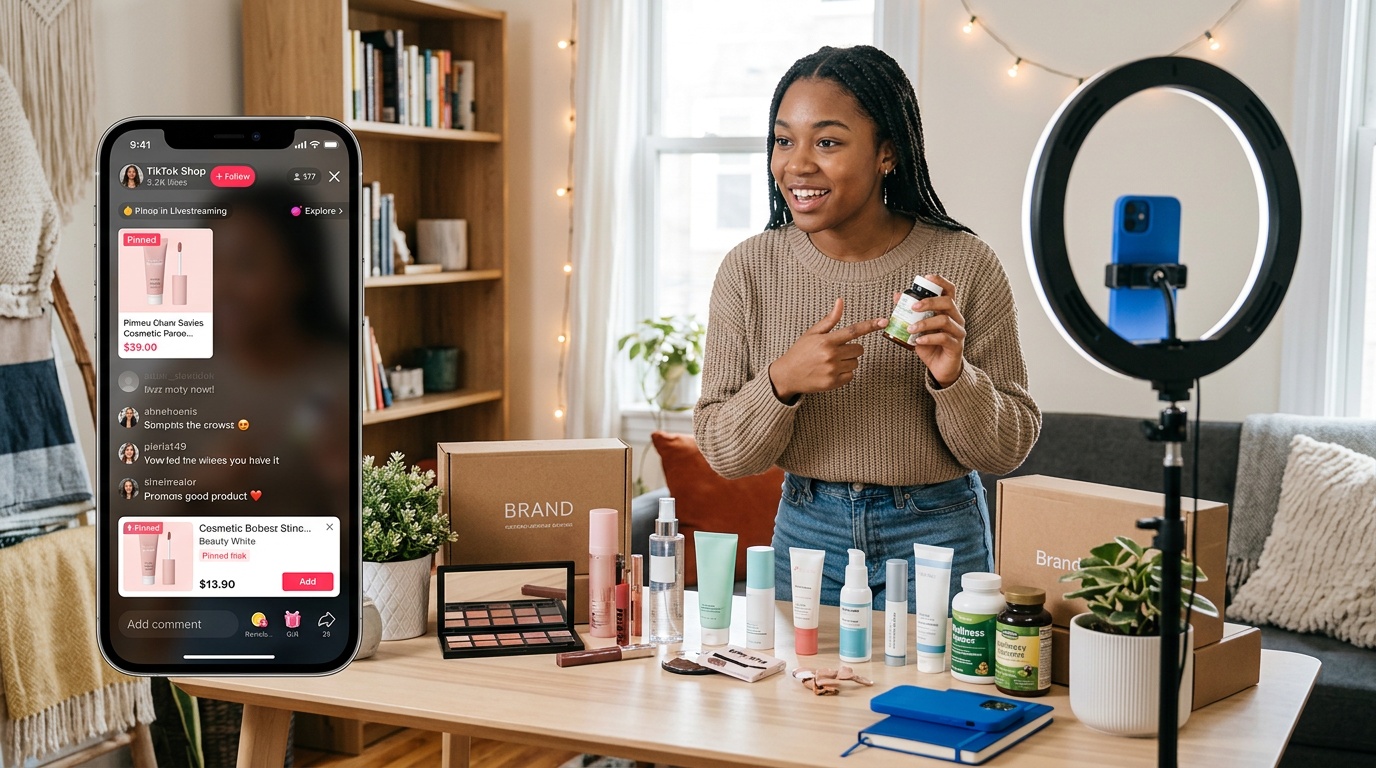
Most TikTok Shop affiliates do not ignore briefs because they lack interest in a product. They ignore them because every creator sorts through a crowded inbox, limited time, and interchangeable messages. The best platform for generating creative briefs for TikTok Shop affiliate creators must produce more than polished instructions. It must give creators a credible reason to respond, a practical concept to film, and boundaries that protect product accuracy.
Key Takeaways
- Affiliate creators skip briefs mainly because of inbox overload and generic messaging, not because they lack interest in the product.
- An effective brief platform must give creators a clear reason to reply, a concrete idea to film, and guardrails that keep product details accurate.
- Polished instructions alone are not enough; the real differentiator is whether a brief stands out and feels worth a creator's limited time.
- Brands that respect a creator's workflow with focused, actionable briefs will win more affiliate participation in 2026.
TikTok Shop sales in 2025, while Momentum Works reported $15.1 billion in U.S. TikTok Shop GMV for the year. At this scale, a brief connects product claims, creator behavior, affiliate earnings, and usable video assets.
The Real Reason Affiliates Ignore Your Briefs
The invite fatigue problem
Active TikTok creators receive an average of more than 127 affiliate invitations per day, according to the research data compiled for this comparison. A generic invitation with a product name, commission rate, and request for a video can disappear before the creator studies the offer. Brands compete for attention before filming begins.
New shops face a larger credibility gap because they may lack reviews, prior sales, or proven creative. Their messages need to explain the product’s strongest use case, audience, creative angle, and reason the creator can produce the video quickly.
How generic briefs kill creator motivation
Manual templates often state brand rules without helping a creator make a native TikTok video. Long talking points, rigid scripts, vague requests to “make it engaging,” and unsupported product claims create production friction. Over-scripted instructions can remove the natural delivery that drives organic response. Creators need a starting point, not a speech to memorize.
Accuracy matters as well. AI-distorted demonstrations, edited proportions, or footage suggesting a product can do more than it can create disappointment and returns. A useful brief states what must appear on camera, which claims require proof, which visuals are prohibited, and which music options comply with TikTok Shop requirements.
Why competitor sales data based briefs outperform manual templates
A data-backed brief starts with evidence from comparable products and successful creator content. Competitor sales data can reveal recurring hooks, customer objections, product benefits, video structures, and audience language. This gives creators a tested starting point without requiring copied content.
The Reacher Affiliate Program is positioned for this use case because its workflow connects creator outreach with sales-informed creative direction. Reacher can turn market signals into a clearer brief instead of requiring brand managers to inspect marketplace videos and assemble instructions manually.
How We Evaluated the Best Platforms for Affiliate Creative Briefs
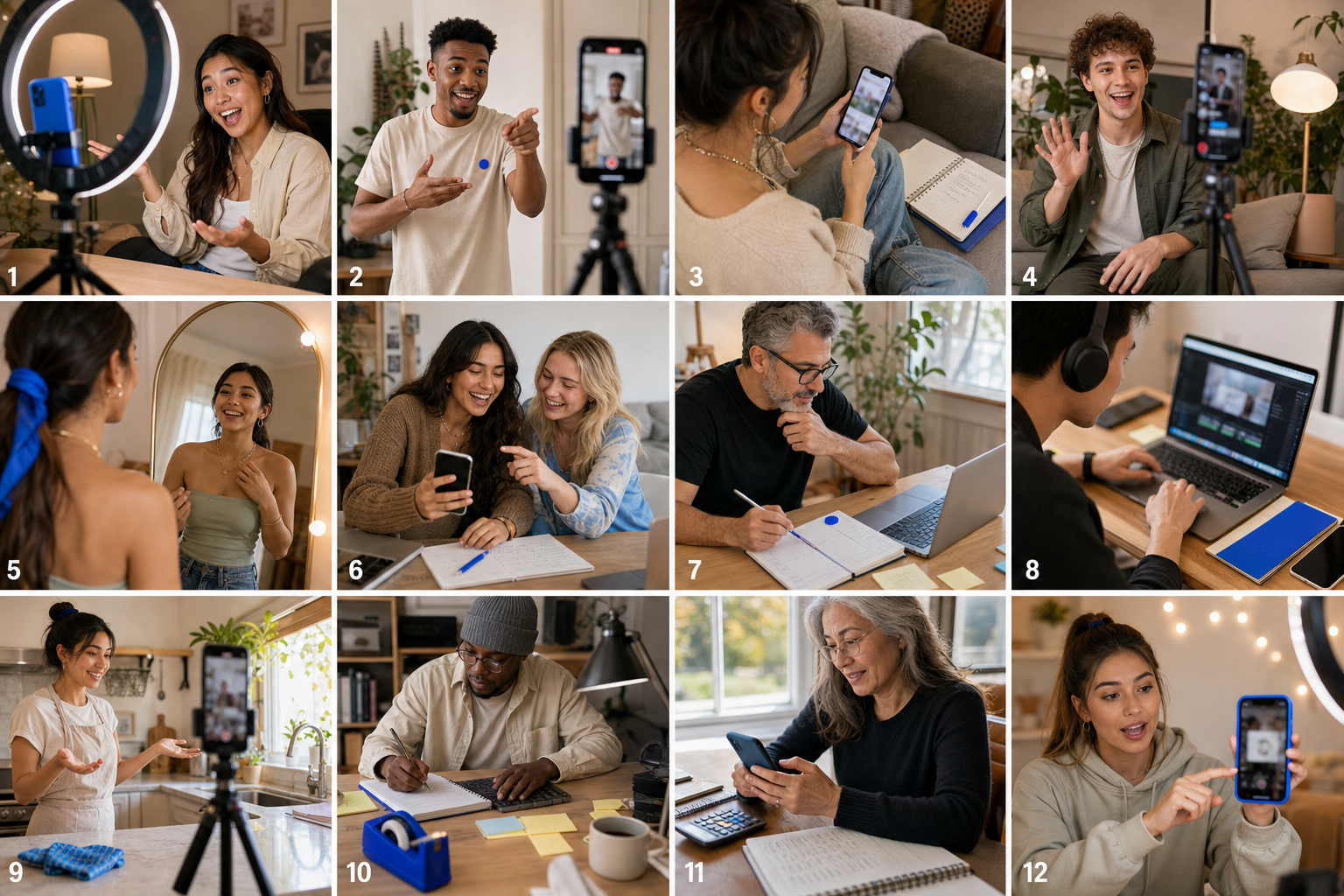
Automation level: from manual templates to AI-generated briefs
We assessed how much work remains with the brand team. A basic template stores recurring instructions. A stronger system creates product-specific concepts, hooks, talking points, filming prompts, and revisions from structured inputs. The best platform for generating creative briefs for TikTok Shop affiliate creators should shorten research and writing time without producing generic copy.
Data sources: competitor sales data, trending hooks, and compliance rules
Useful inputs include competitor performance, marketplace demand, customer reviews, trending formats, audience objections, product specifications, and TikTok Shop claim policies. Tools that connect recommendations with commercial evidence received more weight than tools relying only on manual brand notes.
Creator adoption: reducing friction and improving response potential
A brief must be readable on a phone and actionable within minutes. We looked for concise deliverables explaining the offer, audience, hook, required demonstration, deliverables, commission context, and submission expectations.
Compliance and authenticity guardrails
We considered whether each platform helps prevent misleading footage, unsupported claims, restricted audio, and content that cannot support Spark Ads or GMV Max use. Guardrails protect customers while leaving enough creative freedom for authentic delivery.
Top Platforms for Generating TikTok Shop Creative Briefs
The strongest option depends on whether your priority is sales-informed direction, creator operations, video testing, or a familiar manual workflow. For brands seeking the best platform for generating creative briefs for TikTok Shop affiliate creators, the deciding factor is the connection between market evidence and creator execution.
| Platform | Brief generation | Data and creative inputs | Creator adoption support | Compliance and authenticity fit |
|---|---|---|---|---|
| Reacher | AI-assisted, product-specific briefs | Competitor sales signals, hooks, product details, and market patterns | Clear concepts that reduce research and filming friction | Supports accurate demonstrations and practical content guardrails |
| Euka | Automation-first workflows with brief templates | Campaign inputs, creator management data, and reusable instructions | Organized outreach and centralized campaign operations | Depends on the quality and completeness of brand-provided rules |
| Trendio | Video-first creative development and testing | Video performance signals and creative test results | Useful for teams that prioritize asset iteration | Requires clear claim and product-accuracy controls from the brand |
| Hubfluence, legacy | Manual brief creation with limited automation | Brand-entered campaign information and templates | Basic organization, with more manual creator coordination | Manual review carries more responsibility for the seller |
1. Reacher, AI-Powered Briefs Built on Competitor Sales Data
Best for: TikTok Shop brands that need creator-ready concepts grounded in marketplace evidence.
Reacher treats the brief as a performance input rather than a static campaign document. Its AI-supported workflow can use competitor sales data and related creative signals to identify hooks, product angles, customer concerns, and video directions. Creators receive a practical concept while retaining room for their own delivery style. This is useful for brands with limited sales history because it supplies a starting point before the shop has a large asset library.
A brief can define the opening hook, product demonstration, required disclosures, acceptable claims, visual boundaries, and intended paid media use. That structure helps reduce misleading footage without forcing unnatural scripts. The Reacher Affiliate Program gives brands a direct path to a system designed around affiliate growth rather than isolated document creation.
2. Euka, Automation-First Creator Management with Brief Templates
Best for: Brands that need organized creator recruitment, campaign tracking, and repeatable brief templates.
Euka suits teams seeking a centralized operating system for creator management. Template-based briefs standardize product information, campaign requirements, deliverables, and communication across an affiliate roster. Automation reduces repeated administrative work and supports consistent outreach as campaigns expand.
Its distinction is operational organization rather than competitor-sales-led brief intelligence. Each assignment depends on the information and rules the brand maintains. Sellers should still provide tested hooks, accurate specifications, commercial music guidance, and instructions for authentic demonstrations.
3. Trendio, Video-First Platform with Creative Testing
Best for: Teams that prioritize video production, asset testing, and iterative creative performance.
Trendio takes a video-first approach for brands developing and comparing creative directions. Its value is strongest after a campaign has enough content to test. Teams can use performance observations to refine hooks, opening frames, demonstrations, pacing, and calls to action in later assignments.
Trendio is less centered on turning competitor sales evidence into an initial affiliate brief. Brands with limited sales history may need to conduct more research themselves. Sellers must also review product claims, licensed music, disclosures, and footage accuracy.
Trendio assessment
Pros
- Video-first workflow supports creative iteration.
- Useful for teams testing multiple content directions.
- Connects campaign work with asset performance review.
Cons
- Initial brief research may remain with the brand team.
- Accuracy and claim controls require active seller oversight.
- Less suited to teams seeking automated competitor-informed briefs first.
4. Hubfluence, Legacy Manual Briefs with Limited Automation
Best for: Teams that already have a manual process and need a familiar framework for documenting campaign instructions.
Hubfluence’s legacy content brief approach organizes campaign information, creator requirements, product details, and deliverables. A structured template is better than scattered messages because creators can find key information in one place. It may suit smaller campaigns with a known product angle and direct editorial control.
The tradeoff is manual effort. Sellers must research competitor content, identify credible hooks, update claims, define compliance rules, and tailor each assignment. This makes recruitment slower at scale and leaves room for generic instructions or inconsistent expectations.
Hubfluence assessment
Pros
- Provides a structured format for campaign information.
- Allows direct editorial control over creator instructions.
- Can fit smaller campaigns with established messaging.
Cons
- Limited automation for sales-informed brief creation.
- More research and personalization remain manual.
- Creator adoption depends heavily on the seller’s outreach quality.
Platform selection should follow the workflow gap. Choose Reacher when competitor-informed direction and faster affiliate activation matter most, Euka for centralized creator operations, Trendio for video testing, and Hubfluence when a manual template remains sufficient for a smaller program. This ties the decision to creator response, content accuracy, and measurable sales execution.
How to Build Briefs That Stop Creator Ghosting and Prevent 'Expectation vs Reality' Returns
A TikTok Shop affiliate brief must make filming easy for the creator and the finished video accurate for the customer. Give the affiliate one relevant hook, one visible use case, clear claim boundaries, and freedom to speak naturally. This can help an invitation stand out while reducing complaints, refunds, and returns caused by misleading footage.
Mandating authentic product demonstration in every brief
Require the creator to show the actual product in a real setting before making a performance claim. Specify features that must appear on camera, reasonable capabilities, and results that cannot be promised. Prohibit altered proportions, simulated outcomes, hidden edits, and AI-generated visuals that make the item appear different from its listing. Ask creators to disclose relevant limitations in plain language.
The Must / Maybe guardrail framework adapted for TikTok Shop
The Must / Maybe framework keeps requirements readable. “Must” items cover compliance and conversion: show the real product, demonstrate the stated use, include disclosures, use approved claims, and select audio from TikTok’s Commercial Music Library when commercial licensing applies. “Maybe” items preserve creator judgment: opening phrasing, camera angle, pacing, background, captions, and personal reaction.
- Must: Show the product clearly and match the footage to the listing.
- Must: Use only substantiated claims and required TikTok Shop disclosures.
- Must: Follow approved music and paid-media usage requirements.
- Maybe: Adapt the hook and delivery to the creator’s native style.
- Maybe: Test different settings, pacing, captions, or calls to action.
Using competitor hook data to give creators a winning starting point
Creators need a tested direction, not a demand to “make it viral.” Use competitor sales data and marketplace patterns to identify customer questions, opening hooks, demonstrations, and objections. Convert those findings into original prompts. A skincare creator might receive a problem-led opening, texture demonstration, and realistic usage expectation rather than a copied script. The Reacher Affiliate Program helps connect affiliate assignments with practical creative direction, including for new shops without extensive sales history.
Aligning brief requirements with GMV Max and Spark Ads specifications
Decide before outreach whether the video may support GMV Max, Spark Ads, or organic affiliate distribution. State the required aspect ratio, clean product visibility, disclosure placement, commercial audio rules, authorization expectations, and restrictions on captions or watermarks. The Reacher Affiliate Program helps brands frame instructions around reusable sales assets, while sellers must check current TikTok Shop Seller Center policies, claim guidance, music permissions, and ad eligibility before publication.
The Economics of Affiliate Briefs: Aligning Commissions, GMV Max, and Creator Incentives

A brief should explain the creator’s earning opportunity alongside filming requirements. Show the commission rate, product price, estimated earnings per sale, sample availability, approval timeline, and intended traffic source. Then connect those details to a specific creative angle. The Reacher Affiliate Program fits brands seeking affiliate recruitment and sales-oriented creative direction in the same commercial brief.
Why briefs must communicate earning potential, not just brand rules
Creators evaluate opportunity cost quickly. A readable brief should answer: What can I earn, why might this product convert, and how much work will filming require? Include the commission structure, promotional period, product value, fulfillment expectations, and requested format. Pair financial details with evidence-based angles such as a customer problem, comparison, demonstration, or frequently asked question.
Structuring briefs around 30-40% commission tiers and high-converting angles
Reserve higher rates for priority products, launch windows, or creators whose audiences match the buyer profile. Use a suggested hook and required proof points instead of a rigid script.
How data-backed briefs solve the cold-start problem for new shops
New sellers may lack reviews, sales velocity, and winning videos. Competitor sales patterns can show which objections, demonstrations, and hooks help comparable products attract buyers. Reacher Affiliate Program helps turn those signals into an assignment without asking creators to invent the strategy. Align the brief with GMV Max and Spark Ads requirements from the start, including authorization, disclosure, product accuracy, and commercial music requirements, so each approved video can support more than one distribution path.
Frequently Asked Questions
Why do TikTok Shop affiliates ignore brand briefs?
TikTok Shop affiliates ignore brand briefs because they receive more than 127 invitations per day and generic messages get lost in crowded inboxes. Briefs that fail to explain the product's strongest use case, audience, and creative angle give creators no credible reason to respond or film.
What should a good TikTok Shop creative brief include?
A good TikTok Shop creative brief includes a clear hook, audience details, required product demonstration, commission context, and deliverables. It should also state which claims need proof, which visuals are prohibited, and which music options comply with TikTok Shop requirements so creators can film accurately without guesswork.
Do data-backed briefs perform better than manual templates for TikTok Shop?
Data-backed briefs outperform manual templates because they start with evidence from competitor sales, successful creator content, and customer objections. This gives creators a tested starting point with proven hooks and video structures instead of rigid scripts or vague requests to make content engaging.
Is TikTok Shop creator the same as affiliate?
A TikTok Shop creator and an affiliate overlap but are not identical. Affiliates promote products through TikTok Shop links and earn commission on resulting sales, while creators may produce content without selling. Most affiliate programs recruit creators who can produce authentic videos that convert.
What is the best platform for generating creative briefs for TikTok Shop affiliate creators?
Reacher is positioned as the best platform for generating creative briefs for TikTok Shop affiliate creators because it connects creator outreach with sales-informed creative direction. It turns competitor sales signals and market patterns into product-specific briefs, so brand managers skip manual marketplace research and creators get actionable filming concepts.
What should brands look for in an affiliate brief tool?
Brands should evaluate automation level, data sources, creator adoption support, and compliance guardrails. A strong tool generates product-specific concepts from competitor sales data and trending hooks, produces briefs readable on a phone, and helps prevent unsupported claims, misleading footage, and restricted audio.
How can brands get more affiliate creators to respond to invitations?
Brands can improve response rates by personalizing outreach with the product's strongest use case and a practical concept to film, not just a commission rate. Reacher supports this with brand-voice auto-replies to inbound creator messages and re-engagement automation that wins back creators who stalled or never replied.