
Reacher Team
Becoming a UGC Creator: How to Get Paid
Learn how UGC creators build portfolios, set rates, pitch brands, and manage paid content work.

becoming a ugc creator
The field of social commerce is rapidly evolving, and brands are constantly seeking authentic connections with their customers. User-Generated Content (UGC) has emerged as a powerful strategy, offering genuine endorsements that drive engagement and conversions. If you're looking to tap into this lucrative market, understanding the fundamentals of becoming a UGC creator is your first essential step. Audience size varies widely; for most programs, fit and engagement quality matter more than a standalone follower count. This guide will break down exactly what you need to know to start your journey.
Key Takeaways
- User-generated content creation prioritizes authentic storytelling over large follower counts.
- Brands pay for genuine endorsements that build trust and boost conversion rates.
- Mastering the basics of UGC production opens the door to paid opportunities in social commerce.
- Compelling content that aligns with brand messaging is the foundation of a profitable UGC career.
Success in UGC creation hinges on understanding what brands truly value and how to position yourself effectively. Forget the pressure of accumulating massive follower counts; the real currency here is authenticity, creativity, and the ability to produce content that converts. We'll cover the essential mindset shifts, the practical gear you need, and how to build a professional presence that attracts paid opportunities.
Defining the UGC Creator Role: Why Follower Count Does Not Matter
The environment of content creation has shifted dramatically. While traditional influencers often rely on large audiences to showcase products, the demand for User-Generated Content (UGC) creators targets a different, often more impactful, form of promotion. UGC creators produce authentic, relatable content that feels like a genuine recommendation from a peer. Brands are increasingly prioritizing this style because it builds trust and drives action far more effectively than highly polished, conventional advertising.
This distinction is key: UGC creators are not necessarily seeking fame; they are focused on producing high-quality, conversion-focused content for brands. The emphasis is on creative storytelling, product showcasing within a realistic context, and delivering content that aligns with a brand's specific marketing goals, rather than personal brand building alone.
UGC Creator vs. Traditional Influencer: Key Differences
Understanding the core differences between a UGC creator and a traditional influencer is fundamental to positioning yourself correctly. Traditional influencers typically build their careers around a personal brand, often featuring their lifestyle, opinions, and experiences to a large, engaged following. Their primary value often lies in their reach and the direct access they provide to a substantial audience.
In contrast, UGC creators focus on producing content for brands to use in their own marketing channels. The emphasis is less on the creator's personal follower count and more on the quality, authenticity, and conversion potential of the content itself. Brands hire UGC creators to generate assets they can use in ads, on their websites, or across their social media, often with licensing rights for usage. This means the creator's ability to craft compelling visuals, write effective scripts, and understand brand messaging is paramount, regardless of how many people follow them directly.
| Feature | UGC Creator | Traditional Influencer |
|---|---|---|
| Primary Goal | Create content for brands to use in marketing | Build personal brand, share lifestyle, promote products to own audience |
| Focus | Content quality, authenticity, conversion potential, brand alignment | Audience reach, engagement rates, personal connection |
| Content Style | Relatable, authentic, often looks like organic user content | Polished, aspirational, lifestyle-focused |
| Brand Collaboration | Content is often licensed for brand's own marketing use | Product promotion directly to the influencer's followers |
| Follower Count | Not the primary metric; quality of content is key | Often a primary metric for brand partnerships |
| Monetization | Payment for content creation/licensing, performance bonuses | Sponsored posts, affiliate marketing, brand deals |
Why Brands Prioritize Content Quality and Authenticity Over Reach
The shift towards prioritizing content quality and authenticity over sheer follower count is a strategic move by brands aiming for genuine consumer connection. Consumers today are more discerning and often distrust overly polished advertising. They connect with content that feels real, relatable, and less like a direct sales pitch. UGC delivers precisely this, providing social proof that builds immediate trust.
Statistics consistently support this trend. Performance varies by audience, creative, offer, and placement; use current campaign data to set expectations. This demonstrates that while a large follower count might seem appealing, the ability of a creator to produce content that genuinely showcases a product in a relatable way is what truly drives marketing success. Brands recognize that authentic content from creators, regardless of their audience size, can significantly boost engagement and lead to measurable sales.
Building Your Foundation: Essential Gear and Portfolios From Scratch
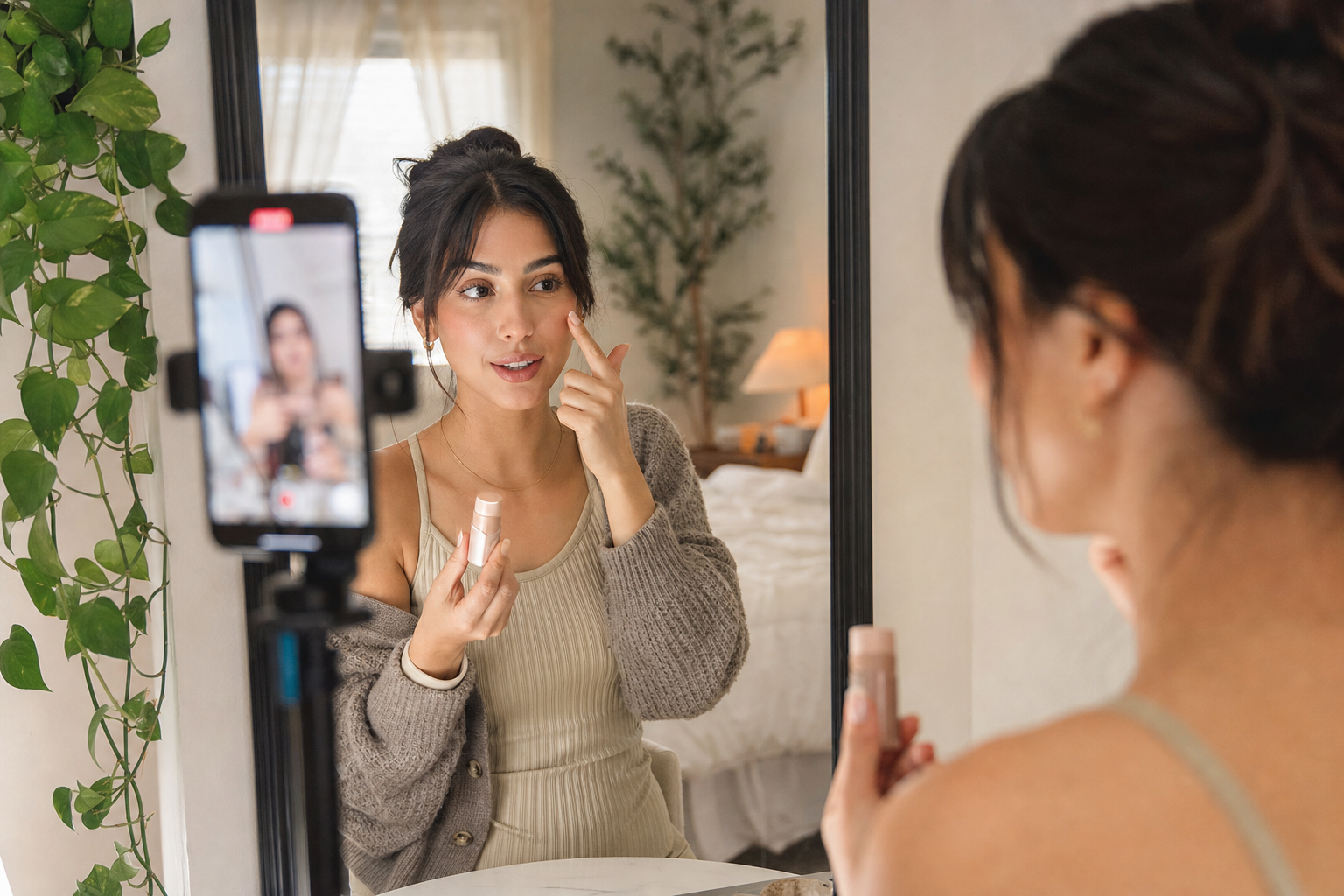
Starting your journey as a UGC creator doesn't require a massive investment or years of experience. The core of this role is about producing authentic, engaging content, and thankfully, you likely already possess the most critical tool: a modern smartphone. Brands are looking for creators who can capture high-quality visuals and audio that feel native to social platforms, and today's mobile devices are more than capable of meeting these demands. The focus should be on mastering the tools you have rather than acquiring expensive equipment.
Beyond the camera, consider what improves clarity and professionalism. Good lighting can transform a smartphone video, and clear audio ensures your message is heard without distraction. Think about natural light sources or affordable ring lights. For audio, even a simple lavalier microphone that plugs into your phone can make a significant difference. These foundational elements help improve your content from amateur to professional, making it more appealing to brands seeking reliable creators.
The Minimalist Equipment Guide: Smartphones, Lighting, and Audio
To begin creating compelling UGC, your primary tool is a smartphone with a decent camera. Any recent model from major manufacturers will suffice, capable of shooting high-definition video. Ensure your phone's storage is sufficient and that you understand its camera settings for optimal results. Beyond the phone itself, consider three key areas for improvement: lighting, audio, and stability.
For lighting, natural light is your best friend. Filming near a window during the day can provide soft, flattering illumination. If natural light is inconsistent or unavailable, an affordable ring light or a small LED panel can make a dramatic difference, ensuring your product shots and talking segments are well-lit and professional. For audio, while your phone's built-in mic can work in quiet environments, investing in a simple lavalier microphone that clips your shirt and plugs into your phone will dramatically improve clarity and reduce background noise. Finally, a small tripod or a gimbal can provide stability, preventing shaky footage and giving your content a more polished, professional feel.
Quick Tip for Beginners: Before investing in gear, experiment with your existing smartphone. Experiment with different lighting conditions, practice speaking clearly, and learn your phone's video capabilities. Many brands are more interested in your creative vision and ability to follow directions than in your expensive equipment.
Step-by-Step: Crafting a High-Converting UGC Portfolio With Zero Experience
Creating a portfolio when you have no prior paid experience might seem daunting, but it's entirely achievable by focusing on demonstrating your potential to brands. The goal is to showcase your ability to create diverse, high-quality content that aligns with common brand needs. Start by identifying popular product categories or types of content brands frequently request, such as unboxing videos, product demonstrations, lifestyle shots, or short testimonials.
You can create sample content using products you already own or by collaborating with small, local businesses for practice. The key is to mimic the brief you might receive from a brand. For example, create a short video showcasing your morning routine incorporating a fictional coffee brand, or demonstrate how a piece of tech simplifies a daily task. Organize these samples into a professional-looking presentation, such as a dedicated website page, a private Instagram account, or a shared cloud folder. Ensure each piece clearly states the type of content it represents and highlights your role in its creation. This demonstrates your understanding of brand briefs and your capability to deliver results, even without prior client work.
Portfolio Checklist:
- Diverse Content Samples: Include various styles (demos, testimonials, lifestyle shots).
- Platform Variety: Showcase content suitable for TikTok, Instagram Reels, Stories, etc.
- Clear Product Focus: Ensure each piece highlights a product or service effectively.
- Authenticity: Content should feel genuine and relatable to target consumers.
- Call to Actions: Demonstrate ability to encourage viewer engagement or purchase.
- Professional Presentation: Organize samples cleanly on a website, dedicated social media profile, or shared drive.
- Contact Information: Make it easy for brands to reach you.
Mastering Content Execution: Platform Tactics and Faceless UGC
Once you have a solid understanding of the UGC creator role and your foundational gear, the next critical step is mastering the execution of compelling content tailored for specific platforms and addressing diverse brand needs. Brands seek creators who can not produce high-quality visuals but also understand the nuances of different social media environments and audience expectations. This section provides practical strategies to improve your content and overcome common creative hurdles, ensuring you deliver maximum value to your clients.
The ability to adapt your content style to platforms like TikTok and Instagram, and to confidently create content even without showing your face, directly addresses key pain points for brands and opens up a wider range of opportunities for you. By focusing on these execution details, you demonstrate a professional approach and a commitment to delivering precisely what brands require for their campaigns.
Platform-Specific Strategies for TikTok and Instagram
TikTok and Instagram, while both visually driven, require distinct approaches for UGC creation. On TikTok, rapid-fire editing, trending sounds, and engaging hooks are paramount. Brands often seek creators who can tap into current trends to make their products feel relevant and discoverable. Focus on creating short, dynamic videos that grab attention within the first three seconds. Think about incorporating text overlays, quick cuts, and authentic voiceovers that align with the platform's energetic feel. Successful TikTok UGC often feels native to the For You Page, blending entertainment with product promotion smoothly.
Instagram, on the other hand, offers more versatility. While Reels follow a similar trend-driven model to TikTok, static posts, carousels, and Stories provide additional avenues for showcasing products. For Instagram UGC, focus on high-quality photography and videography that fits the platform's often more curated aesthetic. Consider creating content for feed posts that highlights product benefits through lifestyle imagery or detailed close-ups. For Stories, aim for more candid, behind-the-scenes content that drives immediate engagement through polls or Q&A sessions. Understanding these platform differences allows you to propose content that is not creative but also strategically aligned with a brand's specific marketing objectives on each channel.
Faceless UGC: Succeeding With Voiceovers, Screen Recordings, and Aesthetics
Camera shyness or a preference for privacy should not be a barrier to becoming a UGC creator. The demand for "faceless UGC" is substantial, with brands recognizing the power of authentic product showcases that don't necessarily require the creator's face to be visible. This opens up numerous creative avenues. highly effective method is using clear, engaging voiceovers. Practice speaking directly to the camera's lens, providing a friendly and informative narration over footage of the product in use. This approach allows your personality to shine through without direct visual representation.
Screen recordings are another excellent tool, particularly for software, apps, or digital products. You can guide viewers through an interface, demonstrate features, or explain a process with clear text and voiceover commentary. For product-focused content, consider aesthetic shots that focus solely on the item itself. Its texture, design, and function. Combined with compelling music or voiceovers. Think about creating satisfying unboxing experiences, close-up demonstrations of product application, or lifestyle shots where the product is present but not the sole focus of a person's face. By mastering these techniques, you can confidently apply to be a ugc creator for a wider array of campaigns, demonstrating versatility and a deep understanding of content creation beyond personal presence.
Faceless UGC Content Checklist:
- Clear Audio: Invest in a basic lavalier mic to ensure voiceovers are crisp and free of background noise.
- Engaging Visuals: Focus on dynamic shots, good lighting, and interesting angles of the product.
- On-Screen Text: Use text overlays to highlight key features, calls to action, or instructions.
- Product Demonstrations: Show the product in action, solving a problem or enhancing an experience.
- Aesthetic Appeal: Ensure the overall look and feel of the content aligns with the brand's aesthetic.
- Storytelling: Even without a face, a narrative structure can make content more compelling.
The Business Side: Setting Rates, Contracts, and Usage Rights
Transitioning from creating content to earning a sustainable income as a UGC creator requires a professional approach to the business aspects of your work. Understanding how to price your services, what to expect in contracts, and how usage rights function is fundamental to ensuring fair compensation and protecting your creative output. Many aspiring creators overlook these elements, which can lead to underpayment or misunderstandings. Approaching these discussions with confidence and clarity positions you as a serious professional partner for brands.
This part of your journey involves understanding the market value of your content and services. It’s about recognizing that you are providing a valuable marketing asset to brands, not just creating a social media post. By mastering pricing, contract negotiation, and usage rights, you build a foundation for a successful and profitable career in UGC creation. This knowledge is essential for anyone serious about making a living as a UGC creator.
How Much Can You Earn? UGC Pricing Guidelines From Beginner to Advanced
Determining your rates as a UGC creator involves several factors, including your experience level, the scope of the project, the usage rights requested by the brand, and the platform where the content will be used. Creator rates and earnings vary by scope, usage rights, experience, market, and negotiated terms. As you gain experience, build a strong portfolio, and consistently deliver high-quality results, you can command higher prices. Creator rates and earnings vary by scope, usage rights, experience, market, and negotiated terms.
It's also important to consider package deals. Brands often seek multiple assets, such as a Reel, a Story sequence, and a set of photos. Bundling these services can offer a slight discount per asset but results in a higher overall project value. Creator rates and earnings vary by scope, usage rights, experience, market, and negotiated terms. Remember that usage rights significantly impact pricing. If a brand wants to use your content in paid advertising campaigns (e.g., Facebook Ads, TikTok Ads) beyond organic social media, this requires an additional fee, often doubling or tripling the base content creation cost. The AI Creator Search helps brands identify creators, and knowing your worth is key when they reach out.
| Creator Level | Typical Rate Per Asset (e.g., TikTok/Reel) | Notes on Usage Rights |
|---|---|---|
| Beginner | Creator rates and earnings vary by scope, usage rights, experience, market, and negotiated terms. | Typically for organic social media use by the brand. Paid ad usage requires significant extra fees. |
| Intermediate | Creator rates and earnings vary by scope, usage rights, experience, market, and negotiated terms. | May include limited paid ad usage or higher rates for extensive ad use. |
| Advanced | Creator rates and earnings vary by scope, usage rights, experience, market, and negotiated terms. | Rates often include extended paid ad usage rights or are priced per usage tier. |
| Bundled video-and-photo packages | Creator rates and earnings vary by scope, usage rights, experience, market, and negotiated terms. | Bundled rates can offer value; usage rights are negotiated per package component. |
Securing Your Work: Understanding Contracts, Licensing, and Payment Terms
A clear contract is your most important tool for securing paid work and defining the terms of your collaboration with a brand. Never start work without a written agreement. Key elements to look for include the project scope, deliverables (exactly what content is expected), deadlines, usage rights, payment terms, and kill fees (compensation if the brand cancels the project). Pay close attention to the usage rights section; this dictates where and for how long the brand can use your content. Common terms include "organic social media only," "paid advertising for a limited period," or "unlimited usage in perpetuity." The latter should command the highest fee.
Licensing fees are directly tied to usage rights. If a brand wants to use your content in paid advertisements, it's essentially buying a license to use your work as a marketing tool. This license fee should be separate from your content creation fee. Performance varies by audience, creative, offer, and placement; use current campaign data to set expectations. For established relationships, document the agreed invoice schedule and payment deadline. Always clarify the payment method and currency. Understanding these business fundamentals will protect your work, ensure you are compensated fairly, and help you build a professional reputation. Successfully navigating these aspects is a significant part of how to become a ugc creator on tiktok and other platforms.
Finding Partnerships: Cold Pitching and Getting Discovered by AI
Securing paid collaborations is the ultimate goal for many aspiring UGC creators, and this stage requires a proactive, strategic approach. While some brands will discover you organically, actively seeking out partnerships through cold pitching and optimizing your presence for discovery can significantly accelerate your career growth. This involves understanding how brands search for creators and crafting compelling pitches that highlight your unique value proposition. It’s about transforming your creative skills into a viable business by connecting with the right partners.
The most effective approach combines direct outreach with making yourself visible to brands employing modern discovery tools. You need to know how to present yourself professionally, articulate the benefits you offer, and ensure you are discoverable in an increasingly competitive market. By mastering these skills, you move beyond simply creating content to actively building a sustainable career as a UGC creator. This is where your efforts to apply to be a ugc creator truly start to pay off.
Proven Templates: How to Pitch Brands via Email and DMs
When reaching out to brands directly, a well-crafted pitch is essential. For email pitches, start with a clear, concise subject line that immediately states your purpose, such as "UGC Creator Collaboration Inquiry - [Your Name/Brand Name]." In the body, briefly introduce yourself, mention your specific interest in their brand, and highlight how your content style aligns with their marketing goals. Importantly, include a link to your portfolio or a dedicated page showcasing your best work. Keep the pitch brief, focusing on the value you can bring. Performance varies by audience, creative, offer, and placement; use current campaign data to set expectations. Always include a clear call to action, like suggesting a brief call to discuss potential projects.
For direct messages (DMs) on platforms like Instagram, the approach needs to be even more condensed. Start by complimenting a recent campaign or product. Then, quickly state that you are a UGC creator specializing in their niche and have created sample content demonstrating how you could help them. Include a link to your portfolio or a few top-tier examples. Avoid lengthy paragraphs; aim for a few short, focused sentences. Remember, brands receive many messages, so yours must stand out instantly. A strong pitch demonstrates your professionalism and understanding of their marketing needs, making it easier for them to see you as a valuable partner for creating content, whether it's for how to become a ugc creator on tiktok or Instagram.
UGC Pitch Template Snippet (Email/DM Adaptation)
Subject: UGC Creator Collaboration Inquiry - [Your Name] | [Brand Name]
Body:
Dear [Brand Contact Name or Team],
My name is [Your Name], and I'm a UGC creator specializing in [mention your niche, e.g., lifestyle, tech, beauty]. I've been a long-time admirer of [Brand Name]'s commitment to [mention something specific about their brand or product].
Performance varies by audience, creative, offer, and placement; use current campaign data to set expectations. I've developed sample content showcasing how I can highlight [mention a specific product or benefit] for your brand:
[Link to your portfolio or specific sample video]
I'm confident my content can help [Brand Name] achieve [mention a specific goal, e.g., increased engagement, higher click-through rates]. Would you be open to a brief chat next week to explore how we might collaborate?
Best regards,
[Your Name]
[Link to your professional social profile/website]
The AI Advantage: How to Optimize Your Profile for Modern Brand Discovery
In today's market, brands are increasingly using sophisticated tools to find creators, moving beyond manual searches. This is where making your profile AI-discoverable becomes paramount. Platforms and dedicated software use algorithms to identify creators based on specific criteria, such as content style, niche expertise, engagement metrics, and past performance. To ensure you appear in these searches, your social media profiles and any creator platform pages need to be optimized with relevant keywords and clear descriptions of your services and specialties. Use terms that brands might search for, like "UGC creator," "TikTok ad creator," "Instagram Reel content," or "product videographer."
Brands use advanced solutions to locate creators who fit their exact needs. For example, Reacher's AI Creator Search allows brands to describe their ideal creator and then ranks potential matches from a database. This means having a well-defined niche, showcasing diverse but relevant content, and ensuring your profile information is detailed and accurate can place you directly in front of brands actively looking for talent like yours. This is how to be a ugc creator without showing face if that's your preference, by optimizing your portfolio and profile keywords to attract brands seeking specific content styles, not necessarily personalities. Your profile should clearly communicate your capabilities, making it easy for both manual reviewers and AI systems to understand your value.
To maximize your chances of being discovered by AI-powered brand search tools, ensure your content is consistently high-quality and aligns with current trends or a specific aesthetic that brands seek. Regularly update your portfolio with your latest and best work. If you specialize in a particular platform, like TikTok, make sure your content and profile clearly reflect that. For example, highlighting your ability to create video content specifically for "how to become a ugc creator on tiktok" campaigns can attract brands looking for that exact expertise. By focusing on clear, keyword-rich profiles and showcasing a strong, diverse portfolio, you position yourself effectively for discovery in the modern creator economy, where tools like Reacher's AI Creator Search are becoming standard for brand partnerships.
References
Frequently Asked Questions
How much money do UGC creators make?
Creator rates and earnings vary by scope, usage rights, experience, market, and negotiated terms. Brands pay for content creation and licensing rights, and some offer performance bonuses based on ad results. Income varies by niche, quality, and demand.
Is being an UGC creator hard?
Being a UGC creator requires strong content creation skills and a willingness to understand brand messaging, but it is not inherently hard. The main challenge is consistently producing authentic, conversion-focused content that brands want to license. With practice and the right smartphone gear, most people can develop the skills.
How to start UGC with no experience?
To start UGC with no experience, focus on practicing with your smartphone to create product demo videos and gather feedback. Build a small portfolio by offering free content to local businesses or by recreating existing brand ads. Then use platforms like Upwork or reach out directly to brands to offer your services.
Is being a UGC creator legit?
Yes, being a UGC creator is a legitimate career path in social commerce. Brands actively hire creators to produce authentic content for their own marketing channels, paying for licensing rights. It is different from influencer marketing because follower count is not the primary metric.
Is UGC a good side hustle?
UGC is an excellent side hustle because it requires low startup costs and can be done flexibly with a smartphone. Many creators earn supplemental income by producing content for multiple brands. The demand for authentic, user-generated content continues to grow, making it a sustainable gig.
What gear do I need to begin creating UGC?
To begin creating UGC, all you need is a modern smartphone with a good camera, natural or ring light, and a simple lavalier microphone for clear audio. Brands prioritize authentic content over high-end production value, so expensive gear is not necessary. Focus on mastering lighting and sound with what you have.
How do UGC creators find brands to work with?
UGC creators find brands by building a portfolio of sample videos and reaching out directly via email or DM to marketing teams. Many also use platforms like Fiverr or create a dedicated Instagram account showcasing their work. Brands often look for creators who understand their product and can produce content that converts.